
Licensing for Security Equipment Business in Nigeria: A Complete Guide

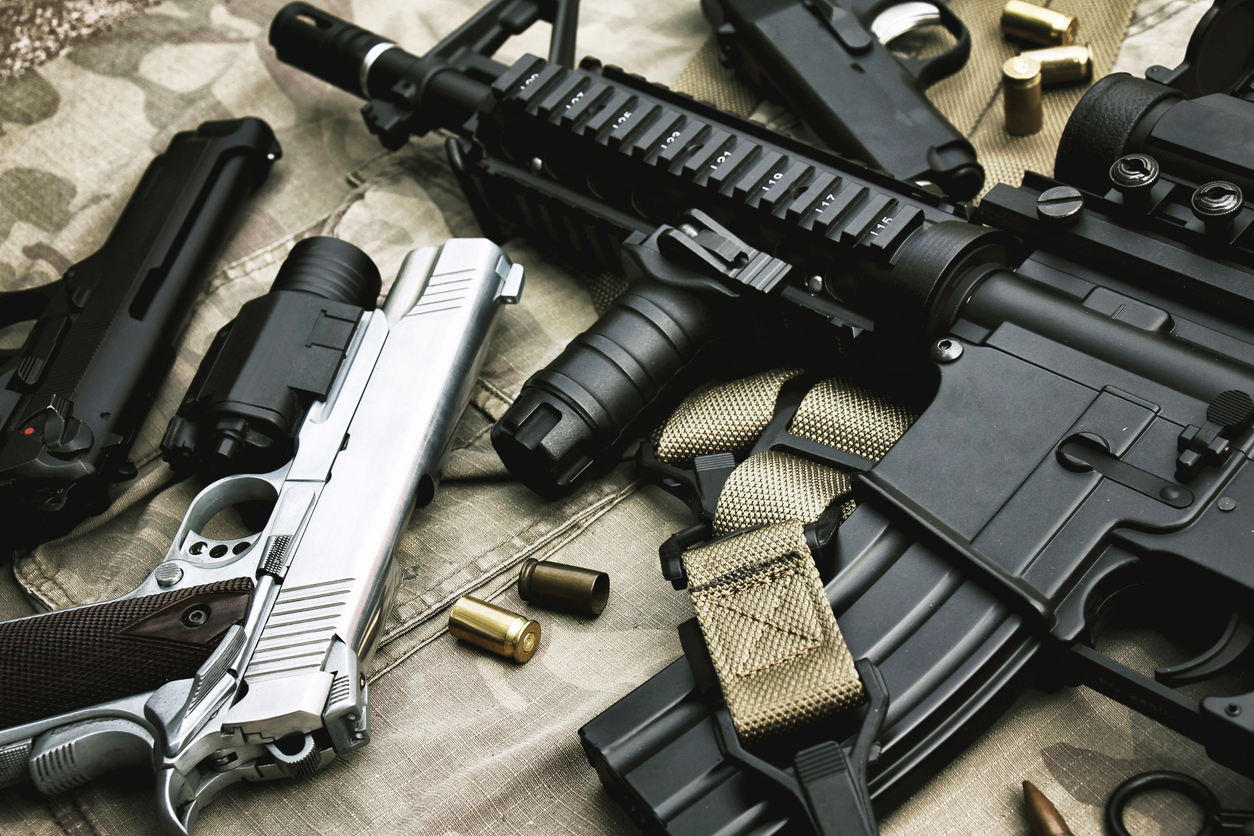
Starting a security equipment business in Nigeria can be highly profitable, especially with the increasing demand for surveillance systems, access control devices, and safety technologies across residential, commercial, and industrial sectors. However, one critical step that determines your ability to operate legally and scale successfully is obtaining the right licenses and regulatory approvals.
This guide breaks down everything you need to know about licensing for security equipment business in Nigeria, including requirements, processes, and how Wigmore Trading can support your operations.
Why Licensing Matters in Nigeria’s Security Industry
Operating without proper licensing in Nigeria’s security sector is not just risky—it can lead to fines, business closure, or legal consequences. Licensing ensures that:
- Your business complies with national security regulations
- Your products meet quality and safety standards
- You gain trust from corporate clients and government institutions
- You can import and distribute security equipment without restrictions
For businesses dealing in CCTV cameras, alarm systems, metal detectors, biometric systems, and other surveillance tools, regulatory compliance is essential.
Key Regulatory Bodies You Should Know
To successfully obtain licenses, you will need to interact with several regulatory bodies in Nigeria:
1. Corporate Affairs Commission (CAC)
Before anything else, your business must be registered with the CAC. This gives your company legal recognition.
2. Nigerian Security and Civil Defence Corps (NSCDC)
The NSCDC plays a major role in regulating private security operations in Nigeria. While they primarily oversee guard companies, they may also be involved depending on the nature of your security services.
3. Standards Organisation of Nigeria (SON)
SON ensures that all imported and locally manufactured security equipment meets Nigerian standards. Certification is required for many products.
4. Nigerian Communications Commission (NCC)
If your equipment involves communication signals (e.g., wireless CCTV systems, trackers), NCC approval may be required.
5. Nigeria Customs Service (NCS)
For importers, customs clearance is critical. Proper documentation and compliance ensure smooth entry of goods into Nigeria.
Licensing Requirements for Security Equipment Business in Nigeria
To operate legally, you typically need the following:
Business Registration
- Register your company with CAC
- Obtain your Tax Identification Number (TIN)
Importation Licenses (if applicable)
- Importer’s license
- SONCAP certification for regulated products
- Product certificates from SON
Operational Permits
- NSCDC clearance (depending on scope)
- Local government permits
Product Compliance
- Ensure all equipment meets SON standards
- Labeling and documentation must be accurate
Step-by-Step Licensing Process
Step 1: Register Your Business
Start with CAC registration and ensure your business name reflects your operations (e.g., security systems, surveillance solutions).
Step 2: Identify Your Product Category
Different security equipment may require different approvals. For instance:
- CCTV cameras
- Access control systems
- Alarm and detection systems
Understanding your category helps streamline licensing.
Step 3: Apply for SON Certification
For imported goods, obtain SONCAP (Standards Organisation of Nigeria Conformity Assessment Program) certification.
Step 4: Secure Import Documentation
Work with a licensed clearing agent to ensure:
- Proper documentation
- Accurate HS codes
- Duty payments
Step 5: Obtain Additional Approvals
If your equipment uses wireless or telecom features, apply for NCC approval.
Common Challenges Businesses Face
Many entrepreneurs encounter obstacles such as:
- Delays in SON certification
- Incorrect documentation during importation
- Regulatory changes and unclear compliance requirements
- Difficulty sourcing compliant, high-quality equipment
These challenges can slow down operations and increase costs.
How Wigmore Trading Can Help
Navigating licensing and compliance can be complex—but this is where Wigmore Trading adds real value.
Wigmore Trading specializes in importation, sourcing, and distribution of security equipment in Nigeria, helping businesses overcome regulatory and logistical hurdles.
With Wigmore Trading, you can:
- Source high-quality, compliant security equipment
- Streamline importation and customs clearance
- Ensure adherence to SON and other regulatory standards
- Reduce delays and operational risks
Whether you are starting out or scaling your business, Wigmore Trading can help simplify the entire process.
Best Practices for Staying Compliant
To maintain smooth operations:
- Stay updated with regulatory changes
- Work with trusted import and logistics partners
- Keep accurate records of all certifications and licenses
- Regularly audit your products for compliance
Consistency in compliance builds credibility and opens doors to larger contracts.
Conclusion
Understanding licensing for security equipment business in Nigeria is essential for building a sustainable and profitable operation. From business registration to product certification and import documentation, each step plays a critical role in ensuring compliance and success.
Rather than navigating these complexities alone, contact Wigmore Trading today to streamline your sourcing and licensing process. With the right support, you can focus on growing your business while staying fully compliant with Nigerian regulations.
SEO Details
Focus Keyphrase: licensing for security equipment business Nigeria
Meta Title (max 60 characters): Security Equipment Business Licensing Nigeria Guide
Slug: licensing-security-equipment-business-nigeria
Meta Description (max 155 characters): Learn licensing requirements for a security equipment business in Nigeria. Ensure compliance and streamline sourcing with Wigmore Trading.
Tags: security equipment Nigeria, business licensing Nigeria, import security systems Nigeria, SONCAP certification, Wigmore Trading, CCTV business Nigeria, security compliance Nigeria, import regulations Nigeria




Comments are closed.