
Can You Sell Weapons Online in Nigeria?

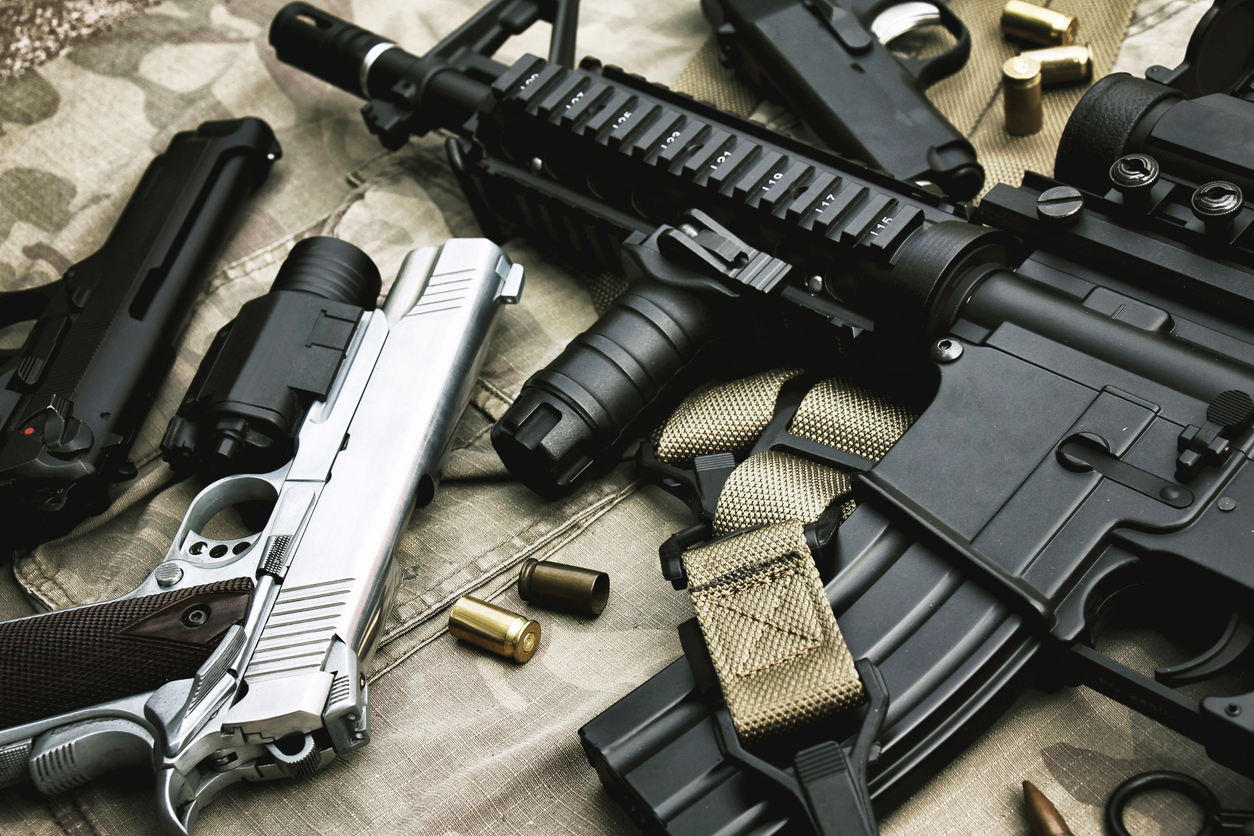
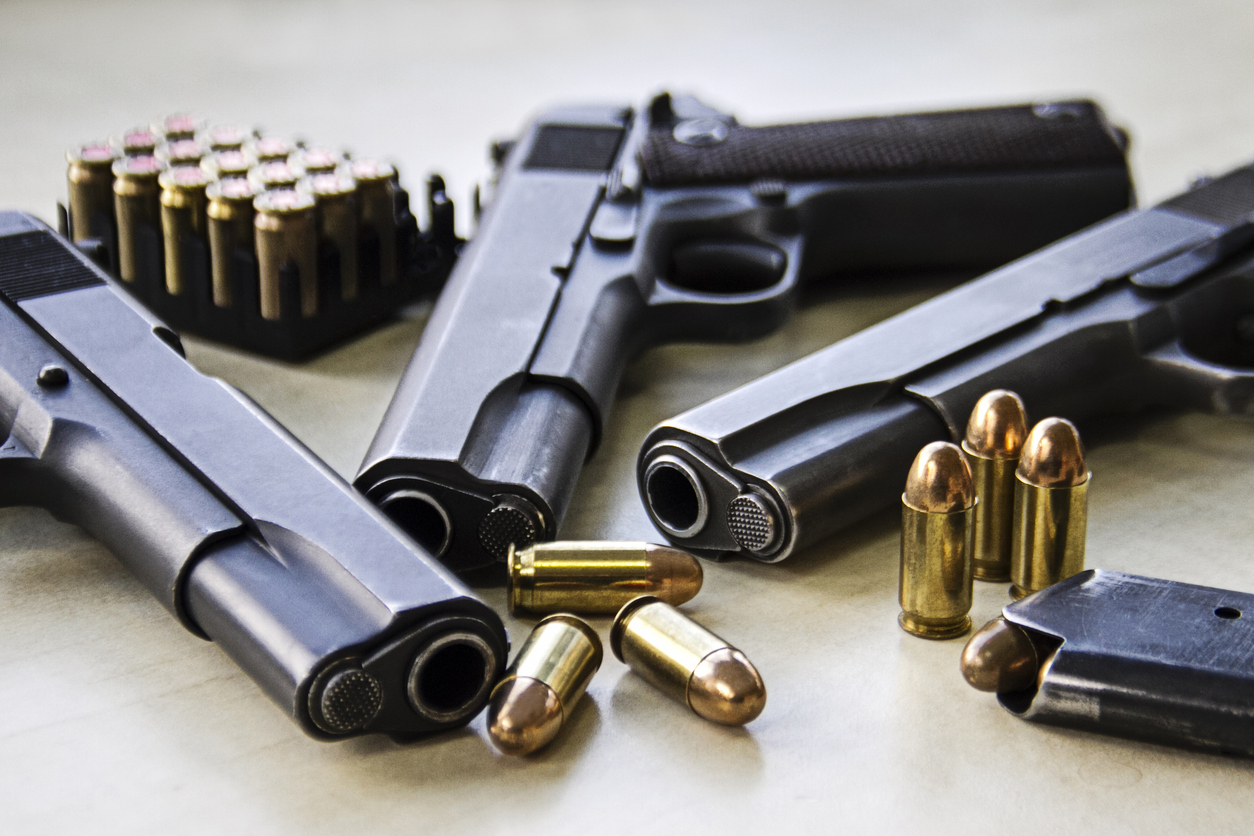
The rise of e-commerce across Nigeria has created new opportunities for businesses to sell a wide range of products online. However, when it comes to weapons, the rules are far stricter. If you’re asking “can you sell weapons online in Nigeria?”, the short answer is: it is highly restricted and, in most cases, illegal without proper licensing and government approval.
Understanding the legal, logistical, and compliance framework is essential before considering any business involving controlled items.
Understanding Nigerian Laws on Weapons Sales
Nigeria has strict regulations governing the possession, distribution, and sale of weapons. The primary legal framework is based on the Firearms Act, which controls:
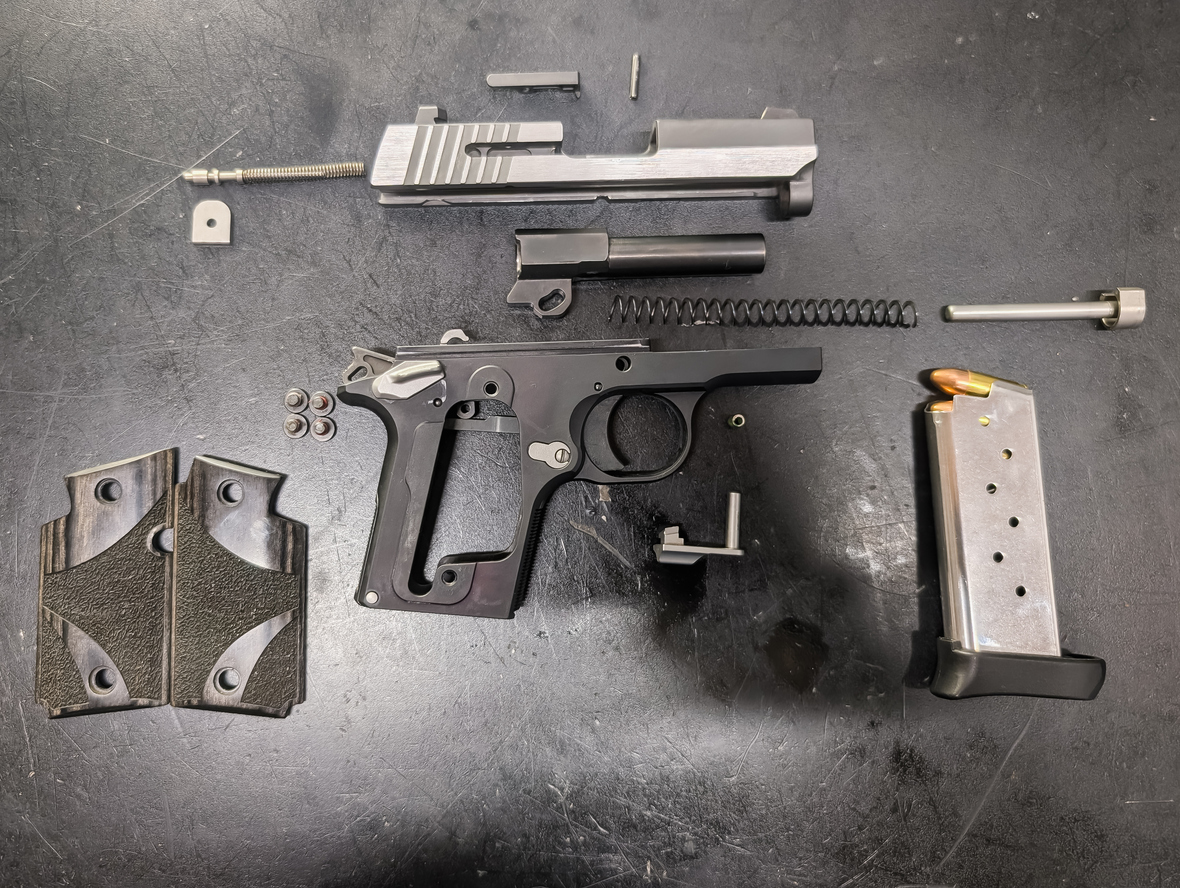
- Firearms (guns, rifles, pistols)
- Ammunition
- Explosives and certain weapon components
Under this law:
- Only licensed individuals or entities can deal in firearms
- Selling weapons without authorization is a criminal offense
- Online sales do not bypass these legal requirements
In fact, digital platforms are subject to the same scrutiny as physical stores. Listing or selling weapons online without proper licensing can result in severe penalties, including fines and imprisonment.
Can You Legally Sell Weapons Online?
1. Licensed Dealers Only
If a business intends to sell firearms or controlled weapons, it must:
- Obtain a government-issued firearms dealer license
- Comply with security and storage regulations
- Maintain detailed transaction records
- Sell only to authorized buyers with permits
Even with a license, online transactions are tightly controlled and may require physical verification and documentation before completion.
2. Restricted Categories vs. Permitted Items
Not all “weapons” fall under the same category. For example:
Highly Restricted (Require Licensing):
- Firearms and ammunition
- Military-grade equipment
- Explosives
Less Restricted (Still Regulated):
- Knives and certain tools
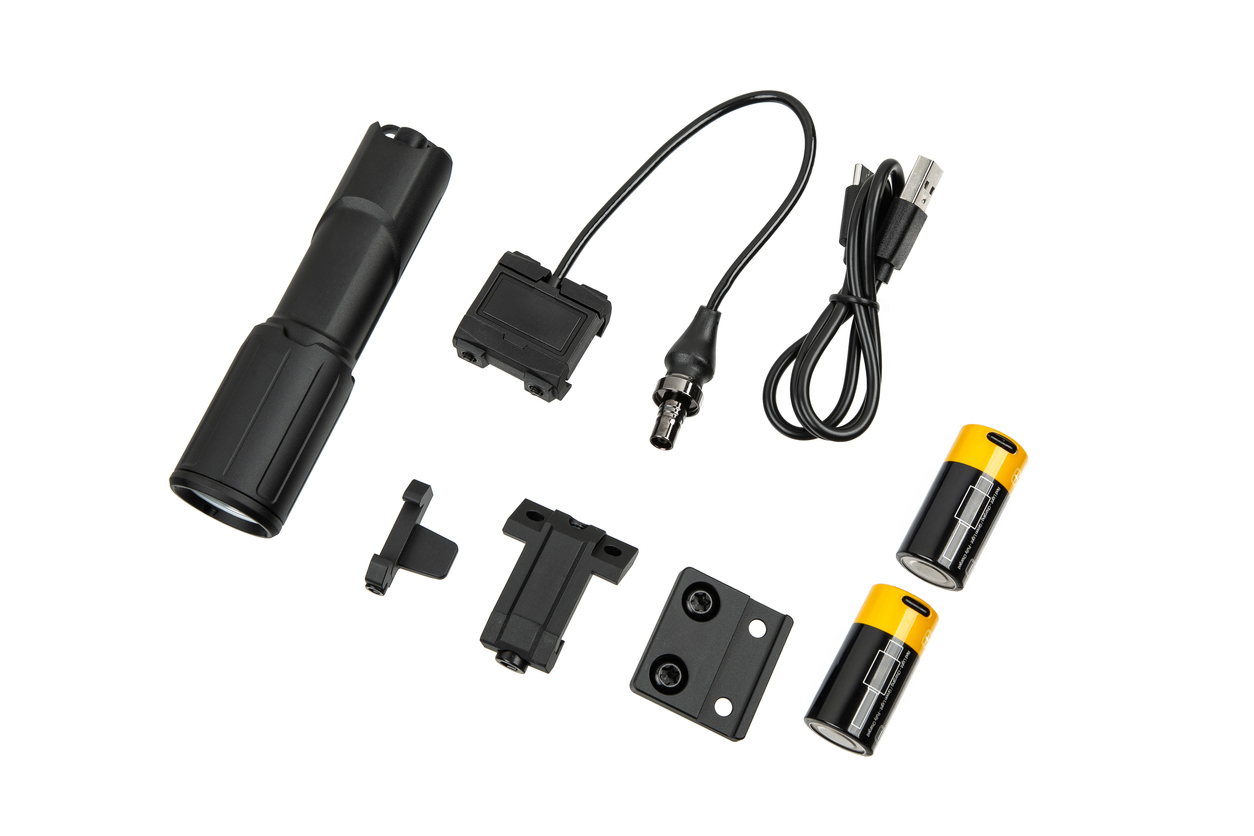
- Security equipment (e.g., batons, pepper spray—depending on classification)
Even for less restricted items, sellers must ensure compliance with local laws and avoid marketing items in ways that promote misuse.
Challenges of Selling Weapons Online in Nigeria
Legal Risk
Operating outside regulatory frameworks can lead to business shutdowns and legal consequences.
Payment & Platform Restrictions
Most e-commerce platforms and payment gateways prohibit the sale of weapons, making it difficult to scale such a business digitally.
Logistics & Customs Issues
Shipping controlled items—especially across borders—requires:
- Special permits
- Customs clearance
- Security documentation
Without these, shipments can be seized or delayed indefinitely.
Practical Alternatives for Businesses
Instead of focusing on restricted weapon sales, many businesses pivot to legal and high-demand categories such as:
- Security accessories (CCTV, alarms)
- Industrial tools and equipment
- FMCG and wholesale goods
- Import/export trading
These sectors offer strong growth potential without the regulatory burden tied to weapons.
How Wigmore Trading Can Help
Navigating regulated markets in Nigeria requires expertise in compliance, sourcing, and logistics. Wigmore Trading can help businesses:
- Source compliant and legal products for distribution
- Handle import/export documentation and customs processes
- Provide reliable logistics and supply chain solutions
- Identify profitable, regulation-friendly product categories
Rather than risking legal complications, businesses can partner with Wigmore Trading to streamline sourcing and focus on scalable, compliant opportunities.
Final Thoughts
So, can you sell weapons online in Nigeria?
Only under strict legal conditions—and even then, with significant limitations.
For most businesses, the smarter strategy is to explore regulated but accessible markets where compliance is easier and growth is more sustainable.
Contact Wigmore Trading today to streamline your sourcing and build a compliant, profitable business.


Comments are closed.