
Can You Sell Weapons Online in Nigeria? A Practical Guide for Businesses


The question “can you sell weapons online in Nigeria” comes up frequently among importers, distributors, and e-commerce entrepreneurs exploring high-demand product categories. The short answer is: it is heavily restricted and tightly regulated—and in most cases, illegal without proper licensing and government authorization.
This article breaks down what the law says, the risks involved, and safer, compliant alternatives for businesses operating in Nigeria’s trade and logistics space.
Understanding Nigeria’s Legal Framework on Weapons
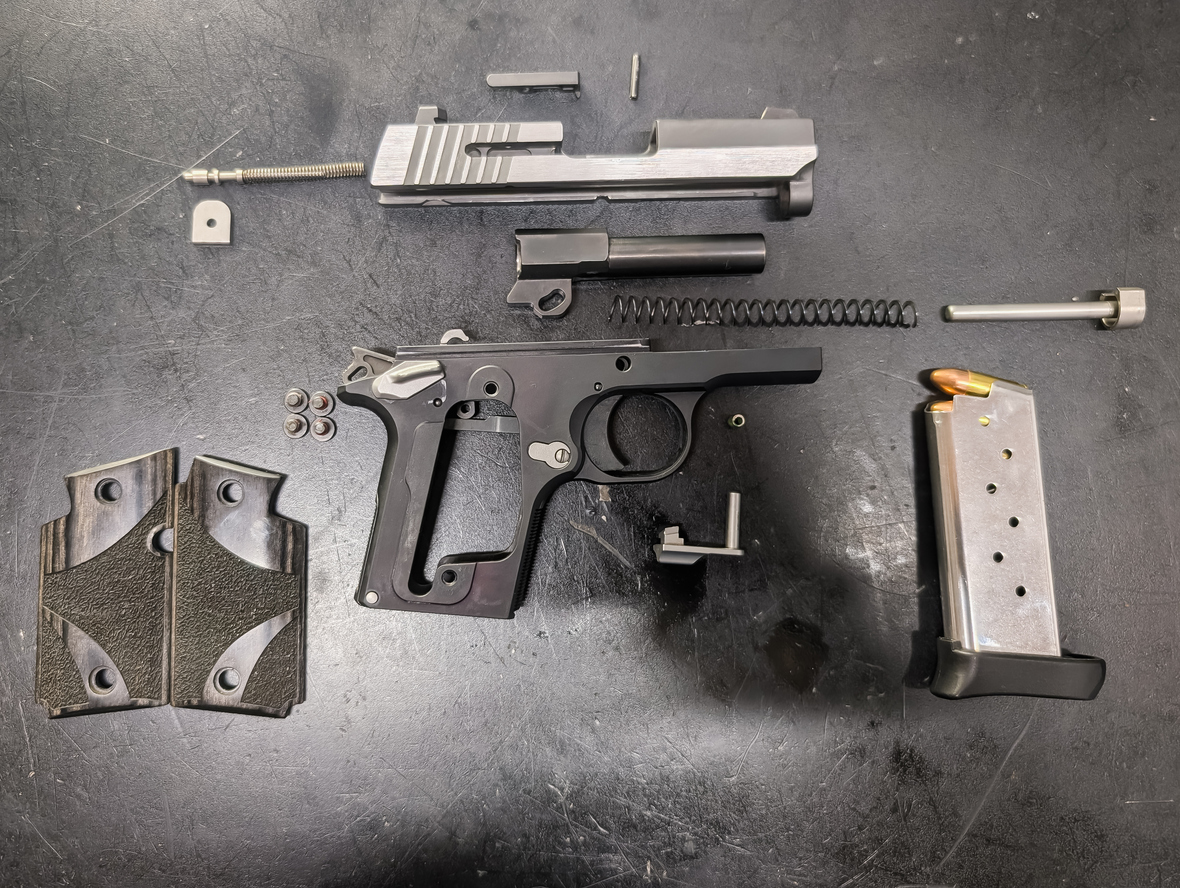
In Nigeria, the sale, possession, and distribution of weapons—especially firearms—are governed by strict laws such as the Firearms Act. Regulatory oversight is handled by authorities like the Nigeria Police Force and other national security bodies.
Key Legal Points:
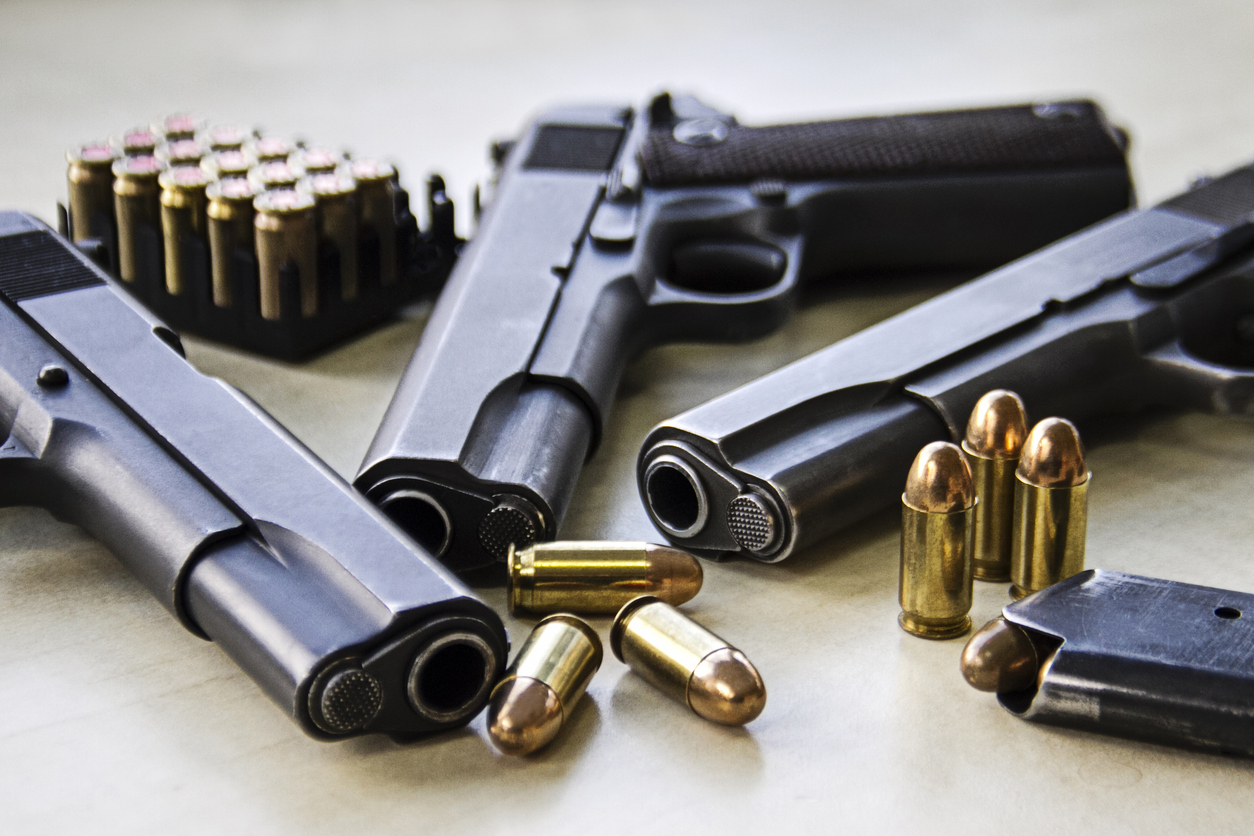
- Firearms and ammunition cannot be sold freely—online or offline—without a valid license.
- Only authorized dealers, typically approved by the government, can legally distribute weapons.
- Unauthorized sale or distribution can lead to severe criminal penalties, including imprisonment.
This means that setting up an online store to sell weapons in Nigeria without proper clearance is not just risky—it is against the law.
Does “Online” Change Anything?
The rise of e-commerce has transformed many industries, but it does not bypass regulatory controls. Selling restricted items like weapons online is still subject to the same legal requirements as physical sales.
In fact, online sales may face even stricter scrutiny due to:
- Difficulty in verifying buyer identity
- Risks of misuse or illegal distribution
- National security concerns
What About Non-Firearm Weapons?
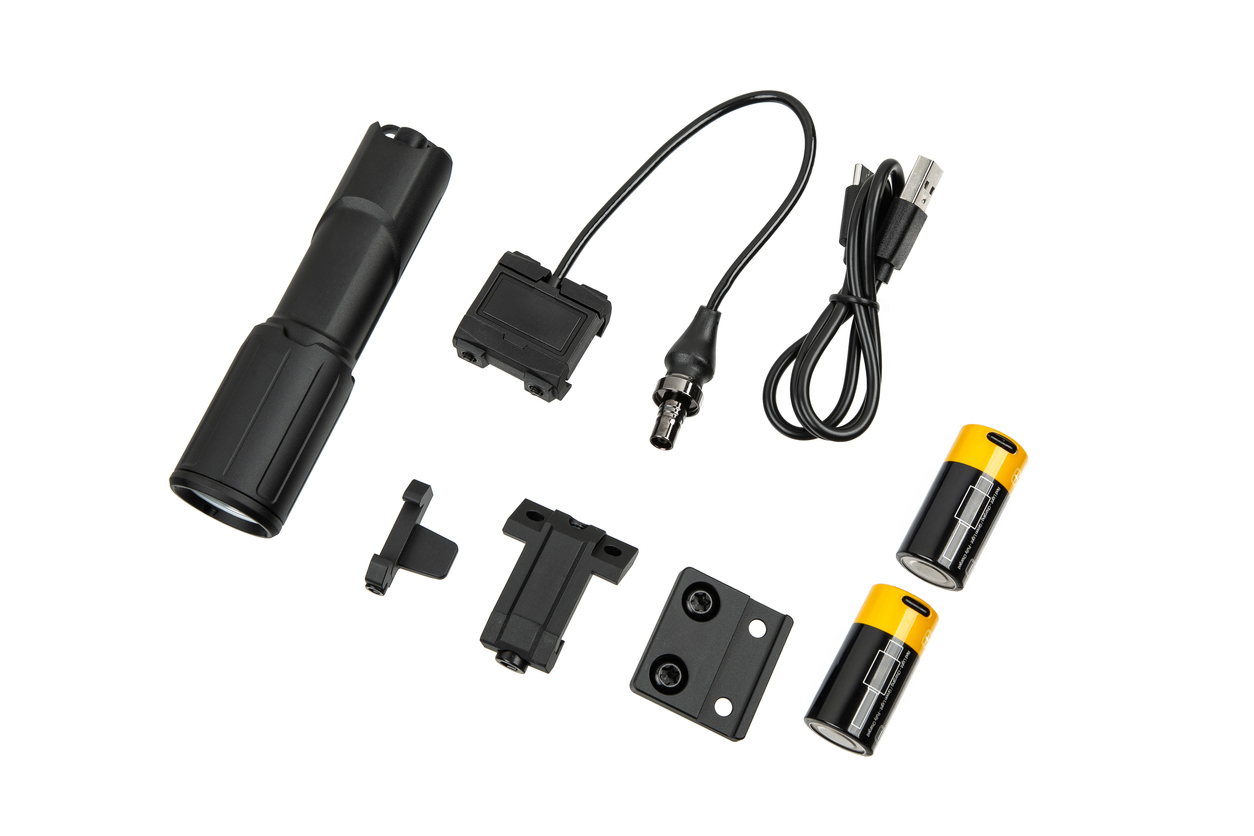
Some items—like certain security tools or protective equipment—may fall into a gray area depending on their classification.
Examples include:
- Personal safety alarms
- Protective gear (helmets, shields)
- Industrial safety equipment
However, even in these categories, businesses must ensure:
- Compliance with import/export regulations
- Proper product classification
- Adherence to Nigerian trade laws
Risks of Selling Weapons Illegally
Trying to bypass regulations can seriously damage a business. Risks include:
- Legal prosecution and fines
- Loss of business licenses
- Seizure of goods
- Reputational damage in international trade networks
For businesses operating in Nigeria’s import/export or wholesale sectors, compliance is not optional—it’s essential for long-term growth.
Safer, Profitable Alternatives for Online Trade
Instead of restricted goods, many businesses are finding success in compliant, high-demand categories such as:
- FMCG (fast-moving consumer goods)
- Agricultural commodities
- Industrial equipment
- Safety and protective gear (approved categories)
These sectors offer scalable opportunities without the legal risks tied to weapons distribution.
How Wigmore Trading Can Help
Navigating regulations in Nigeria’s trade environment can be complex—especially when dealing with controlled or sensitive goods.
Wigmore Trading can help by:
- Advising on compliant product categories
- Supporting import/export logistics
- Ensuring proper documentation and regulatory alignment
- Connecting you with trusted global suppliers
If you’re unsure about what you can legally sell—or how to structure your sourcing and distribution—contact Wigmore Trading today to streamline your operations.
Final Thoughts
So, can you sell weapons online in Nigeria?
In most cases, no—unless you have explicit government authorization and licensing.
Rather than navigating high-risk categories, businesses are better off focusing on legal, scalable, and profitable trade opportunities within Nigeria’s growing economy.

Comments are closed.