
Telecom Revenue Assurance in Nigeria: Strengthening Telecom Profitability and Operational Efficiency

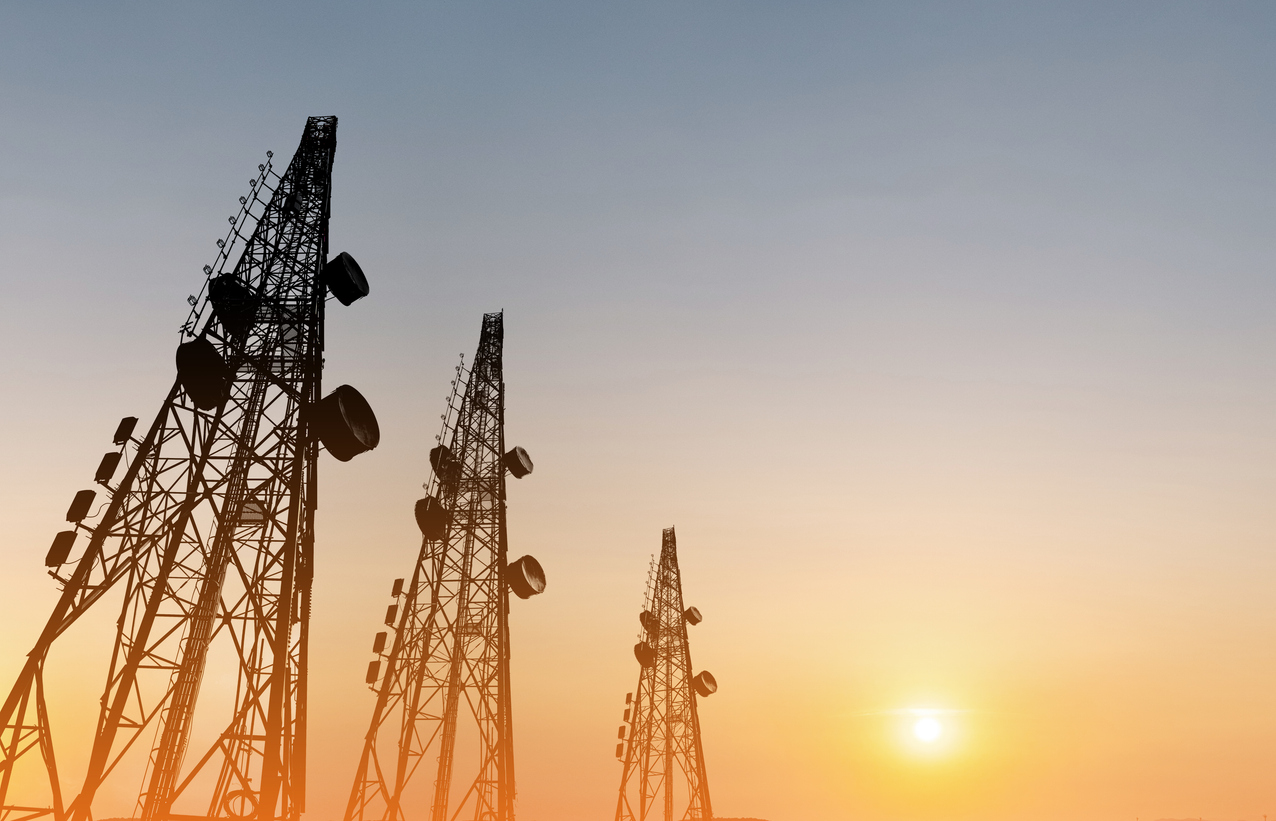
Telecom revenue assurance in Nigeria has become a critical focus area for operators as the industry continues to expand rapidly with increasing demand for data, mobile services, and digital connectivity. As competition intensifies and networks grow more complex, telecom companies must ensure that every service delivered is accurately billed, collected, and accounted for.
Revenue leakage remains one of the biggest challenges in the sector, making revenue assurance not just a financial function but a strategic necessity for sustainable growth.
What is Telecom Revenue Assurance?
Telecom revenue assurance refers to the set of processes, tools, and controls used by telecom operators to ensure that all revenue generated from services provided is properly captured, billed, and collected.
It covers the entire revenue chain, including:
- Usage data tracking (calls, SMS, data usage)
- Billing accuracy and reconciliation
- Fraud detection and prevention
- Interconnect billing between operators
- Subscription and tariff validation
In a fast-growing market like Nigeria, where millions of transactions occur every second, even small inefficiencies can lead to significant revenue losses.
Why Telecom Revenue Assurance Matters in Nigeria
The Nigerian telecom sector is one of the largest in Africa, driven by high mobile penetration and increasing internet usage. However, this growth also brings operational complexity.
Key reasons revenue assurance is essential include:
1. Preventing Revenue Leakage
Errors in billing systems, network failures, or fraud can lead to uncollected revenue. Revenue assurance helps identify and plug these gaps.
2. Managing Complex Pricing Models
With multiple tariff plans, promotions, and data bundles, accurate billing becomes more challenging without strong assurance systems.
3. Regulatory Compliance
Telecom operators must comply with regulatory standards, requiring transparent and auditable revenue tracking processes.
4. Fraud Detection
SIM box fraud, bypass traffic, and subscription fraud are common threats in emerging telecom markets.
Common Challenges in Telecom Revenue Assurance
Despite its importance, many operators in Nigeria face ongoing challenges such as:
- Legacy billing systems that lack real-time monitoring
- Poor data integration between network and billing platforms
- Limited visibility into end-to-end revenue flows
- High operational costs of implementing advanced assurance tools
- Rapidly evolving fraud techniques
These issues create revenue gaps that directly impact profitability.
How Telecom Revenue Assurance Works
Revenue assurance operates through a structured framework:
- Data Collection – Capturing raw usage data from network elements
- Data Reconciliation – Matching network usage with billing records
- Error Detection – Identifying inconsistencies or missing charges
- Investigation & Correction – Resolving issues in billing or network configuration
- Continuous Monitoring – Ensuring real-time oversight of revenue streams
Modern systems increasingly use automation, AI, and analytics to improve accuracy and speed.
The Role of Infrastructure and Supply Chain Partners
Effective telecom revenue assurance is not only about software systems—it also depends on reliable infrastructure, hardware, and operational support across the telecom ecosystem.
This is where partners like Wigmore Trading play a supporting role in strengthening telecom operations across Africa. Through efficient sourcing and supply of essential industrial and technical products, Wigmore Trading helps businesses maintain smooth operational workflows that support telecom infrastructure deployment and maintenance.
From logistics coordination to sourcing essential equipment across global markets, reliable trade and supply chain partners help telecom companies reduce downtime, improve service reliability, and support the broader ecosystem that enables accurate revenue tracking and service delivery.
By ensuring access to quality materials and streamlined procurement processes, Wigmore Trading can help telecom operators maintain the stability required for effective revenue assurance systems.
Building Stronger Telecom Systems in Nigeria
To improve telecom revenue assurance in Nigeria, operators should focus on:
- Upgrading billing and mediation systems
- Investing in real-time analytics and AI tools
- Strengthening fraud detection frameworks
- Improving cross-department collaboration (finance, IT, and network teams)
- Partnering with reliable supply chain and infrastructure providers
A well-integrated system ensures that revenue is not only generated but fully captured and protected.
Conclusion
Telecom revenue assurance in Nigeria is no longer optional—it is a core requirement for financial stability and operational efficiency in a highly competitive market. As telecom networks continue to evolve, operators must adopt stronger systems, smarter analytics, and dependable operational partnerships to prevent revenue loss and improve performance.
Wigmore Trading supports businesses by helping streamline sourcing and supply chain needs that indirectly strengthen operational reliability across sectors, including telecommunications.
For telecom operators looking to improve efficiency and reduce operational friction, the right combination of technology and trusted partners is key.
Get in touch with Wigmore Trading to learn more about how streamlined sourcing can support your operational ecosystem.






Comments are closed.