
How a Telecom Billing Reconciliation Platform in Nigeria Improves Revenue Accuracy and Operational Efficiency

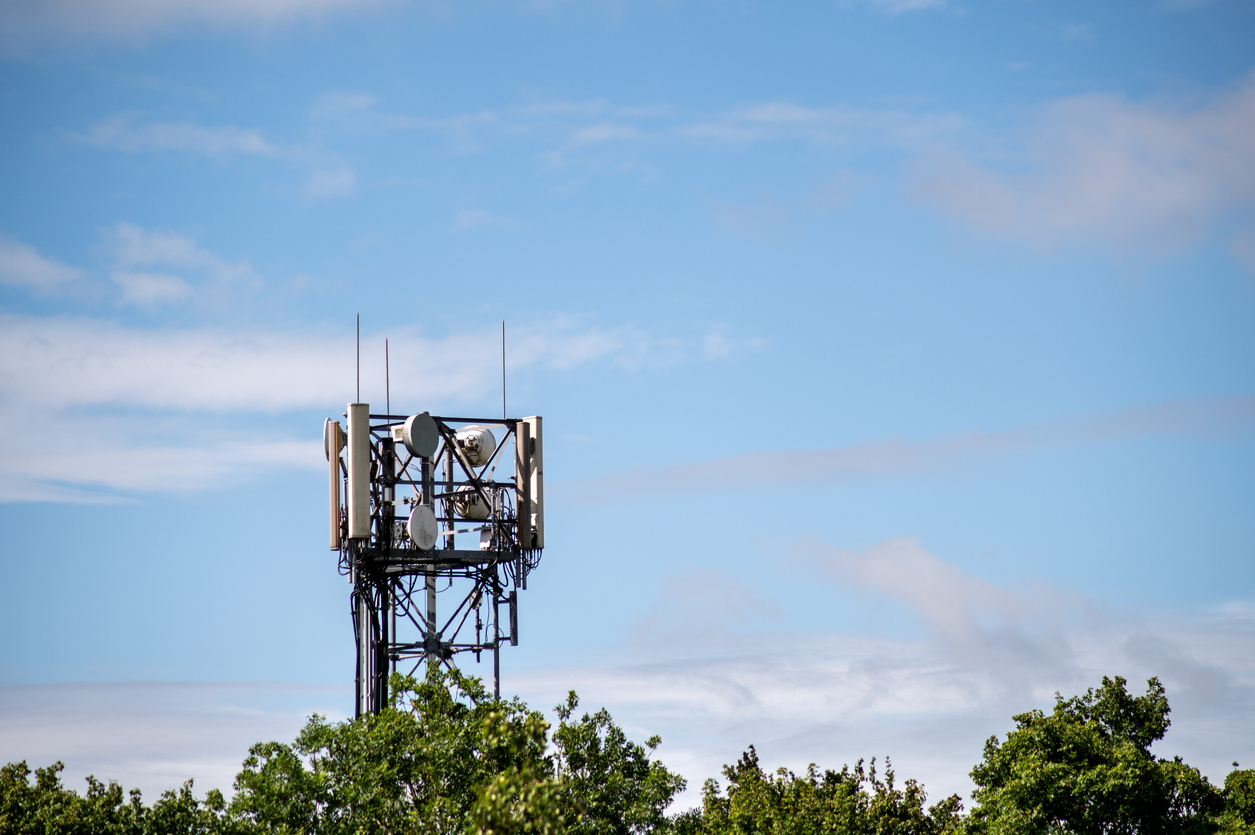
Telecommunications companies in Nigeria operate in a highly competitive and complex environment where billing accuracy, revenue assurance, and regulatory compliance are critical. With millions of transactions processed daily—from voice calls and data usage to value-added services—billing discrepancies can quickly lead to revenue leakage and customer dissatisfaction.
A telecom billing reconciliation platform in Nigeria plays a vital role in helping telecom operators, aggregators, and service providers maintain financial accuracy and operational transparency. This article explores how these platforms work, the challenges they address, and how businesses can strengthen their telecom operations with the right support systems.
Understanding Telecom Billing Reconciliation
Telecom billing reconciliation refers to the process of comparing records from multiple systems—such as network usage data, billing systems, and payment records—to ensure consistency and accuracy. In Nigeria, where telecom networks are extensive and multi-layered, discrepancies can arise due to system integration gaps, data mismatches, or delayed reporting.
A telecom billing reconciliation platform automates this process by:
- Aggregating data from multiple sources
- Identifying mismatches in billing and usage records
- Flagging errors or anomalies for investigation
- Generating reports for audit and compliance purposes
This ensures that telecom operators can detect issues early and take corrective action before financial losses escalate.
Key Challenges in Nigeria’s Telecom Billing Landscape
Data Fragmentation Across Systems
Telecom operators often rely on multiple platforms for network management, billing, and customer relationship management. These systems may not always communicate seamlessly, leading to inconsistencies in data.
Revenue Leakage
Even small discrepancies in billing can accumulate into significant financial losses over time. Common causes include incorrect tariff application, unbilled usage, or duplicated records.
Regulatory Compliance
Nigeria’s telecom sector is regulated by authorities such as the Nigerian Communications Commission (NCC), which requires accurate reporting and transparency. Failure to comply can result in penalties or reputational damage.
High Transaction Volumes
With millions of subscribers and increasing data consumption, telecom operators must process large volumes of transactions daily. Manual reconciliation is impractical and prone to error.
Benefits of a Telecom Billing Reconciliation Platform in Nigeria
Improved Revenue Assurance
By automatically detecting discrepancies, reconciliation platforms help telecom companies recover lost revenue and prevent future leakages.
Operational Efficiency
Automation reduces the need for manual audits, allowing teams to focus on strategic tasks rather than repetitive data checks.
Enhanced Accuracy and Transparency
Real-time monitoring and detailed reporting improve financial visibility, making it easier to track performance and identify trends.
Scalability
As telecom networks expand and customer bases grow, reconciliation platforms can handle increasing data volumes without compromising performance.
Practical Considerations for Implementation
Integration with Existing Systems
A successful reconciliation platform must integrate smoothly with existing telecom infrastructure, including billing systems and network databases.
Data Security and Compliance
Given the sensitive nature of telecom data, platforms must adhere to strict data protection standards and local regulations.
Customisation and Flexibility
Different telecom operators have unique billing structures and service offerings. A flexible platform can adapt to these variations without requiring extensive system overhauls.
The Role of Supply Chain and Operational Support
While billing reconciliation is primarily a digital process, it is closely linked to broader operational and supply chain activities. For example:
- Procurement of telecom equipment and software systems
- Distribution of SIM cards and devices
- Logistics for infrastructure deployment
Companies like Wigmore Trading support telecom businesses by facilitating sourcing, importation, and distribution of essential equipment and technologies. By ensuring reliable supply chains and compliance with import regulations, businesses can maintain the infrastructure needed to support accurate billing and reconciliation systems.
How Wigmore Trading Supports Telecom Operations
In Nigeria’s dynamic telecom sector, operational efficiency depends on more than just software solutions. Wigmore Trading provides support in areas such as:
- Sourcing telecom hardware and components
- Managing import/export processes and customs clearance
- Coordinating logistics and distribution across regions
- Ensuring compliance with local and international trade regulations
By streamlining these processes, telecom companies can focus on improving their billing systems and customer service while maintaining a reliable operational backbone.
Conclusion
A telecom billing reconciliation platform in Nigeria is essential for maintaining financial accuracy, reducing revenue leakage, and ensuring compliance in a complex telecom environment. As transaction volumes continue to grow, automated reconciliation systems provide the scalability and efficiency needed to stay competitive.
However, achieving optimal performance requires a combination of robust digital tools and efficient operational support. From sourcing equipment to managing logistics, a well-coordinated approach ensures that telecom businesses can operate smoothly and sustainably.
Wigmore Trading can help. Contact Wigmore Trading today to streamline your sourcing.

Comments are closed.