
Strengthening Financial Transparency with Telecom Billing Audit Trails in Nigeria
Talk to us about this service
Trade, import, logistics, sourcing — whatever you're planning, the fastest way to a quote is a WhatsApp message. Our team replies during Lagos business hours.
WhatsApp usYour message tells us which page you came from
In Nigeria’s rapidly expanding telecommunications sector, accurate billing and financial transparency are critical for both service providers and enterprise clients. As businesses increasingly rely on telecom services for operations, the need for reliable tracking systems has grown. A telecom billing audit trail in Nigeria plays a vital role in ensuring accountability, reducing revenue leakage, and maintaining regulatory compliance.
This article explores how telecom billing audit trails function, why they matter in Nigeria’s business environment, and how companies can implement effective systems to improve operational efficiency.
Understanding Telecom Billing Audit Trails in Nigeria
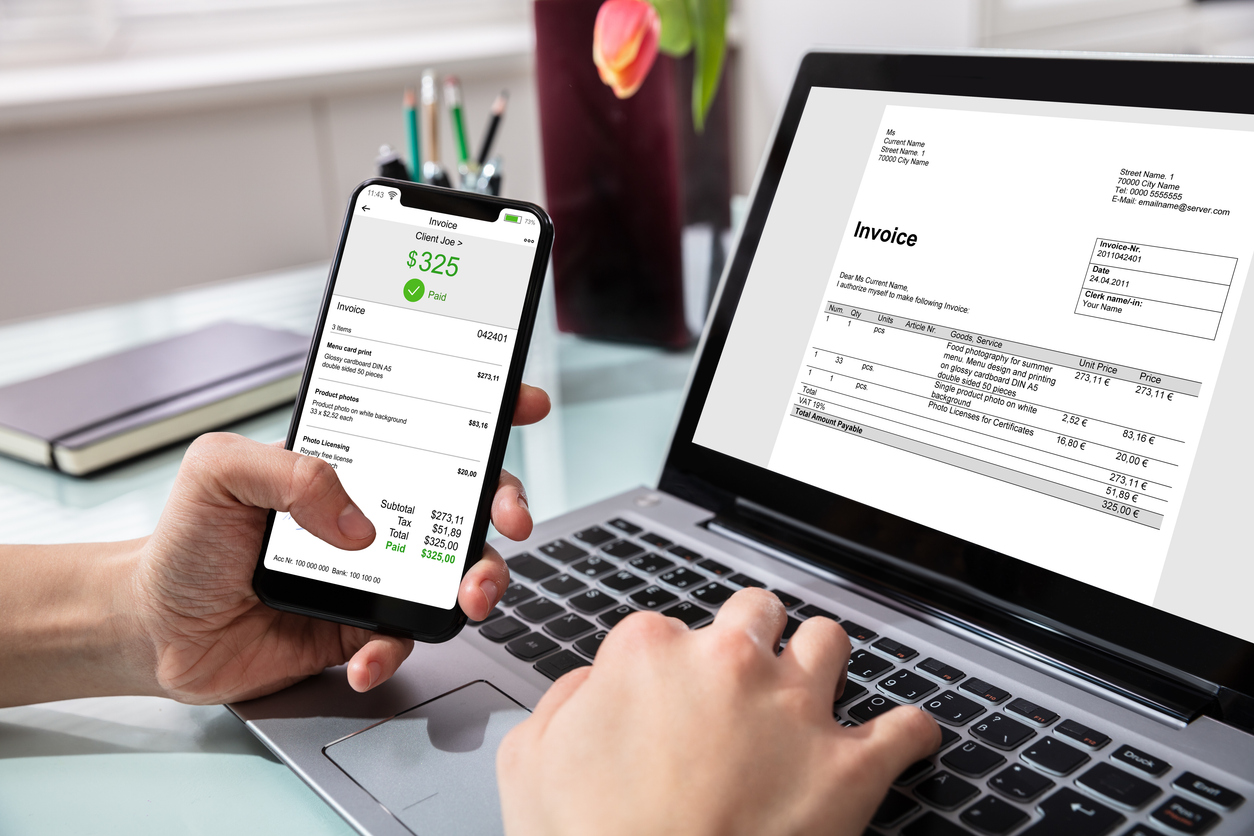
A telecom billing audit trail refers to a structured record of all billing-related transactions within a telecom system. This includes call data records (CDRs), billing adjustments, payment logs, and system modifications. These records create a traceable path that allows businesses to verify the accuracy of charges and identify discrepancies.
In Nigeria, where telecom usage spans across industries such as FMCG distribution, logistics, and wholesale trade, maintaining an accurate audit trail is essential. Businesses often handle large volumes of voice, data, and messaging services, making manual tracking inefficient and prone to errors.
Why Audit Trails Are Critical for Telecom Billing
1. Preventing Revenue Leakage
Telecom billing systems process vast amounts of data daily. Without proper oversight, errors such as incorrect tariffs, duplicate charges, or missed billable events can occur. Audit trails help identify these issues early, ensuring that revenue losses are minimized.
2. Enhancing Financial Transparency
For companies operating in Nigeria’s competitive markets, transparency is essential for maintaining trust with partners and clients. A telecom billing audit trail provides verifiable records that support accurate financial reporting and audits.
3. Supporting Regulatory Compliance
Nigeria’s telecommunications sector is regulated by authorities such as the Nigerian Communications Commission (NCC). Companies must maintain detailed records to demonstrate compliance with billing standards and consumer protection regulations. Audit trails provide the documentation needed during regulatory reviews.
4. Improving Dispute Resolution
Billing disputes between telecom providers and enterprise clients are common. With a comprehensive audit trail, businesses can quickly trace transactions and resolve discrepancies without prolonged negotiations.
Common Challenges in Implementing Audit Trails
Despite their importance, many businesses in Nigeria face challenges when implementing telecom billing audit trails:
- Fragmented Systems: Companies often use multiple platforms for billing, making it difficult to consolidate records.
- Data Volume: High transaction volumes can overwhelm systems without proper automation.
- Limited Visibility: Without centralized reporting tools, identifying anomalies becomes time-consuming.
- Compliance Gaps: Inconsistent record-keeping may lead to regulatory risks.
These challenges highlight the need for structured solutions that integrate billing systems with audit capabilities.
Practical Solutions for Effective Audit Trails
Centralised Data Management
Businesses should adopt systems that consolidate billing data into a single platform. This improves visibility and ensures all transactions are captured in one place.
Automated Monitoring Tools
Automation reduces the risk of human error and enables real-time detection of anomalies. Alerts can be set for unusual billing patterns, helping teams respond quickly.
Regular Audits and Reconciliation
Periodic reviews of billing records ensure that discrepancies are identified and corrected promptly. This process also strengthens internal controls.
Integration with ERP and Financial Systems
Linking telecom billing data with enterprise resource planning (ERP) systems improves financial reporting and ensures consistency across departments.
The Role of Wigmore Trading in Supporting Telecom Operations
For businesses operating in Nigeria and across Africa, managing telecom billing efficiently is part of a broader supply chain and operational challenge. Wigmore Trading supports companies by providing integrated solutions across sourcing, logistics, and distribution.
By aligning telecom service management with overall operational workflows, businesses can achieve better cost control and transparency. Wigmore Trading can assist in streamlining vendor coordination, ensuring that telecom-related services are properly documented and aligned with financial processes. This holistic approach reduces inefficiencies and strengthens accountability across the supply chain.
Industry Applications Across Key Sectors
A telecom billing audit trail in Nigeria is particularly valuable in industries with high communication demands:
- FMCG Distribution: Ensures accurate tracking of communication costs across sales networks.
- Logistics and Transport: Supports monitoring of fleet communication expenses and operational coordination.
- Wholesale Trade: Helps manage multi-location billing for suppliers and distributors.
- Import/Export Businesses: Enables clear documentation of international communication costs tied to trade operations.
In each of these sectors, audit trails contribute to better cost management and operational efficiency.
Conclusion
As Nigeria’s telecom sector continues to grow, the importance of accurate billing and accountability cannot be overstated. Implementing a robust telecom billing audit trail helps businesses prevent revenue loss, ensure compliance, and improve financial transparency.
Companies that invest in structured audit systems and integrate them with their broader operations are better positioned to manage costs and scale effectively.
Wigmore Trading can help. Contact Wigmore Trading today to streamline your sourcing and operational processes.
No Comments Yet.





Comments are closed.