
How Telecom Billing Engines in Nigeria Are Transforming Revenue Management for Telecom Operators

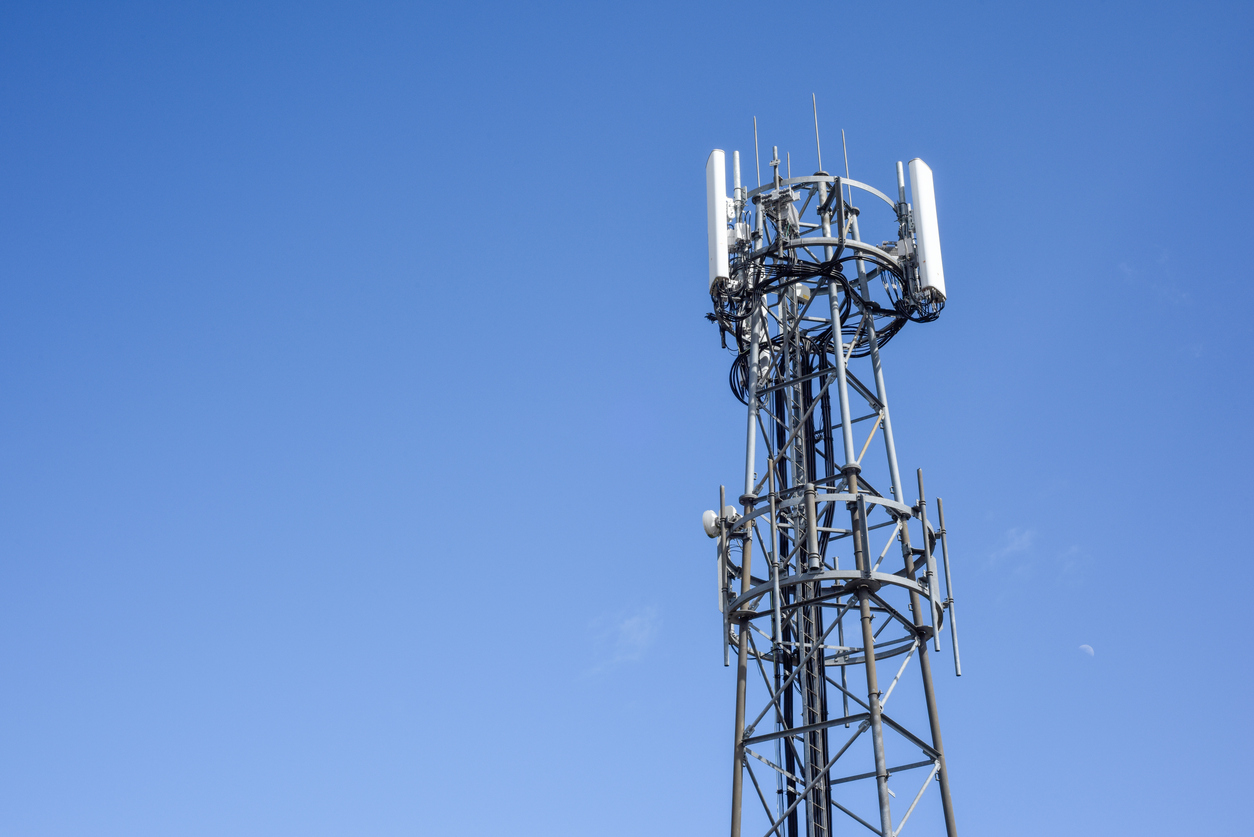
Nigeria’s telecommunications sector is one of the largest in Africa, serving millions of subscribers across mobile, broadband, and digital services. As competition intensifies and service offerings expand, operators face increasing pressure to manage complex pricing models, billing accuracy, and revenue assurance. This is where a telecom billing engine in Nigeria plays a critical role.
A telecom billing engine is not just a back-office system—it is a core component of revenue management, customer experience, and regulatory compliance. For telecom operators, distributors, and service providers, understanding how these systems function is essential to maintaining operational efficiency and profitability.
What Is a Telecom Billing Engine?
A telecom billing engine is a software system that calculates charges for services used by subscribers. It processes data such as call detail records (CDRs), data usage, SMS activity, and subscription plans to generate accurate invoices or prepaid deductions.
In Nigeria, billing engines must handle:
- Prepaid and postpaid billing models
- Real-time charging for data and voice services
- Bundled offers and promotions
- Multi-currency and tax compliance requirements
Given the scale of telecom usage, these systems must process high volumes of transactions with minimal latency.
Key Features of a Telecom Billing Engine in Nigeria
Real-Time Charging and Flexibility
Modern telecom billing engines support real-time charging, which is essential for prepaid customers who dominate the Nigerian market. This allows operators to:
- Deduct balances instantly
- Offer dynamic pricing plans
- Introduce promotional bundles quickly
Flexibility in configuration ensures operators can respond to market demands without overhauling their systems.
Revenue Assurance and Fraud Prevention
Revenue leakage is a common challenge in telecom operations. Billing engines help mitigate this risk by:
- Ensuring accurate rating of services
- Detecting anomalies in usage patterns
- Integrating with fraud management systems
For operators, this translates into improved financial control and reduced losses.
Integration with Telecom Ecosystems
A telecom billing engine does not operate in isolation. It integrates with:
- Customer Relationship Management (CRM) systems
- Network elements and mediation platforms
- Payment gateways and mobile money services
In Nigeria, where digital payments and mobile wallets are widely used, seamless integration is critical for customer satisfaction.
Challenges in Implementing Telecom Billing Systems
Infrastructure and Scalability
Telecom operators in Nigeria must manage millions of subscribers. Billing systems need to scale efficiently without compromising performance. Legacy systems often struggle with:
- High transaction volumes
- System downtime
- Limited flexibility for new services
Upgrading or replacing these systems requires careful planning and investment.
Regulatory Compliance
The Nigerian Communications Commission (NCC) enforces strict guidelines on billing transparency and consumer protection. Operators must ensure:
- Accurate billing records
- Clear pricing communication
- Compliance with taxation and reporting requirements
Failure to comply can result in penalties and reputational damage.
Managing Complex Tariff Structures
With increasing competition, telecom operators offer diverse pricing plans, including:
- Data bundles
- Loyalty rewards
- Time-based tariffs
Managing these complex structures requires a billing engine capable of handling multiple variables without errors.
The Role of Supply Chain and Distribution in Telecom Billing
While billing engines focus on revenue calculation, the broader telecom ecosystem includes distribution of SIM cards, recharge vouchers, and digital services. Efficient supply chain management ensures that:
- Products are available across retail channels
- Digital recharge systems are reliable
- Distribution networks remain cost-effective
This is where companies like Wigmore Trading can provide support. By leveraging expertise in sourcing, logistics, and distribution across Nigeria and West Africa, Wigmore Trading helps telecom businesses maintain consistent product availability and streamline operations.
How Wigmore Trading Supports Telecom Operations
Although telecom billing engines are technology-driven, their effectiveness depends on the wider operational framework. Wigmore Trading can assist telecom operators and partners by:
- Managing procurement and distribution of telecom-related products
- Optimising logistics for nationwide coverage
- Supporting compliance with import/export regulations for equipment
- Enhancing supply chain efficiency to reduce operational bottlenecks
This integrated approach allows telecom businesses to focus on service delivery while ensuring backend operations run smoothly.
Future Trends in Telecom Billing in Nigeria
The telecom industry in Nigeria continues to evolve, and billing systems are adapting accordingly. Key trends include:
- Cloud-based billing platforms for scalability and cost efficiency
- AI-driven analytics to improve revenue forecasting
- Convergent billing systems that unify multiple services under one platform
- 5G readiness, enabling new pricing models for advanced services
Operators that invest in modern billing infrastructure will be better positioned to compete in a rapidly changing market.
Conclusion
A telecom billing engine in Nigeria is a critical tool for managing revenue, ensuring accuracy, and supporting customer satisfaction. As telecom services become more complex, the need for robust, scalable, and compliant billing systems will continue to grow.
However, technology alone is not enough. Efficient supply chains, reliable distribution networks, and regulatory compliance are equally important for success in the telecom sector.
Wigmore Trading can help. Contact Wigmore Trading today to streamline your sourcing.



Comments are closed.