
Telecom Traffic Settlement in Nigeria: Processes, Challenges, and Best Practices

Talk to us about this service
Trade, import, logistics, sourcing — whatever you're planning, the fastest way to a quote is a WhatsApp message. Our team replies during Lagos business hours.
WhatsApp usYour message tells us which page you came from
Nigeria’s telecommunications industry relies on seamless interconnectivity between network operators. Every time a call, SMS, or data session moves across networks, a financial transaction occurs behind the scenes. This process, known as telecom traffic settlement in Nigeria, is essential for ensuring fair compensation, operational transparency, and industry stability.
Understanding how telecom traffic settlement works—and how to manage its complexities—is critical for telecom operators, service providers, and infrastructure partners operating in Nigeria.
What Is Telecom Traffic Settlement?
Telecom traffic settlement refers to the process by which telecom operators calculate, reconcile, and pay for traffic exchanged between networks. When a subscriber on one network connects to another, the originating network pays a termination fee to the receiving network.
Key Elements of Telecom Traffic Settlement
- Interconnect Agreements: Contracts defining rates and terms between operators
- Traffic Recording: Monitoring call detail records (CDRs) and usage data
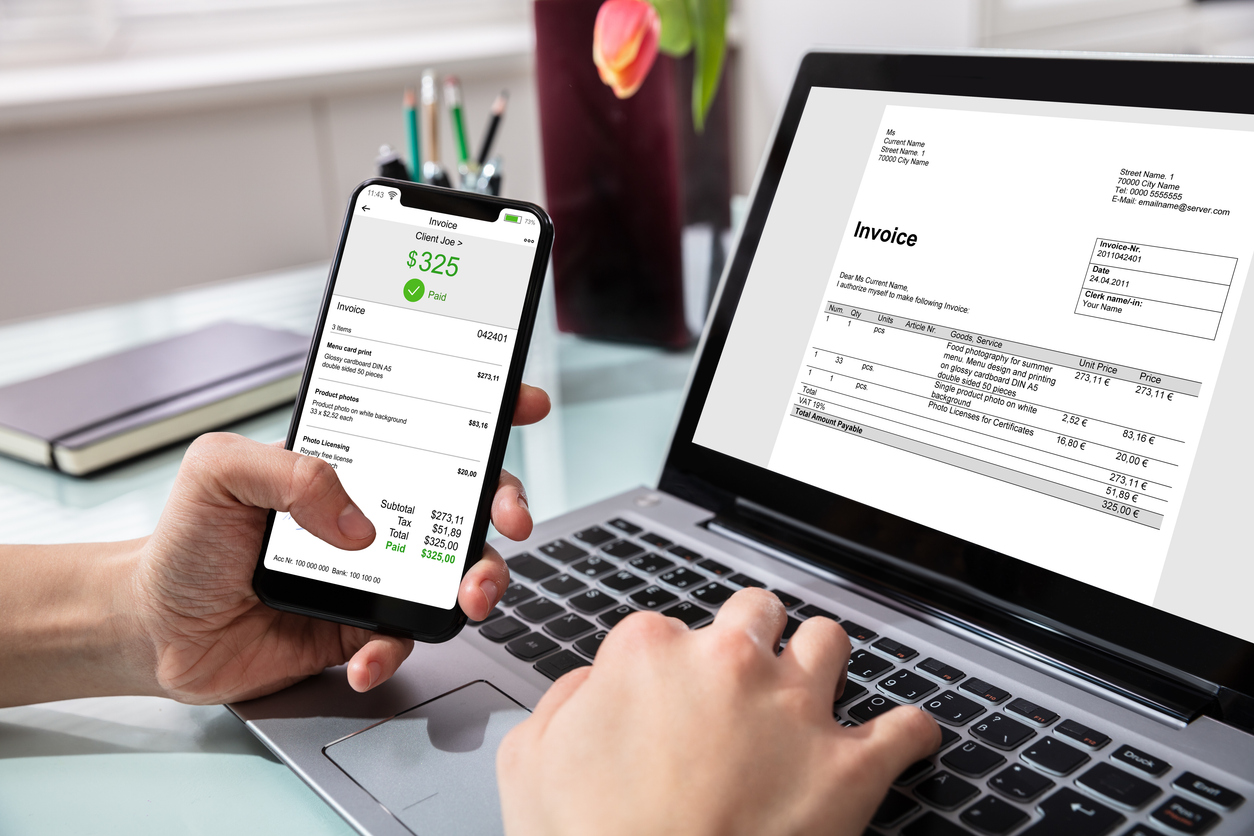
- Billing and Invoicing: Generating financial statements for traffic exchanged
- Payment and Reconciliation: Settling invoices and resolving discrepancies
In Nigeria, these processes are guided by regulatory frameworks established by the Nigerian Communications Commission (NCC).
How Telecom Traffic Settlement in Nigeria Works
Interconnection Between Operators
Operators establish agreements that define how traffic will be exchanged and priced. These agreements include voice termination rates, SMS fees, and international routing charges.
Traffic Measurement and Data Collection
Network systems capture detailed usage records, including:
- Call duration
- Origin and destination networks
- Time of usage
- Type of service (voice, SMS, data)
Accurate data collection is critical to prevent disputes.
Billing and Settlement Cycles
Settlement typically occurs on a monthly basis. Operators exchange traffic reports and invoices, then reconcile differences before payments are made.
Dispute Resolution
Differences in reported traffic volumes or rates can lead to disputes. Operators must resolve these through audits, system checks, or third-party verification.
Importance of Telecom Traffic Settlement
Revenue Assurance
Accurate settlement ensures that operators receive fair compensation for network usage.
Industry Stability
Transparent settlement processes maintain trust between telecom providers.
Regulatory Compliance
Operators must comply with NCC guidelines to avoid penalties and operational risks.
Financial Planning
Reliable settlement data supports forecasting and investment decisions.
Key Challenges in Nigeria’s Telecom Settlement Landscape
High Volume of Traffic
Nigeria’s large and growing subscriber base generates significant traffic, increasing the complexity of settlement processes.
Data Inconsistencies
Discrepancies in call detail records between operators can lead to billing disputes.
Fraud and Bypass Activities
Illegal routing of international traffic can result in revenue losses.
Infrastructure Constraints
Power supply issues, network downtime, and system inefficiencies can affect accurate data capture.
Regulatory Changes
Updates to interconnect rates and compliance requirements require constant system adjustments.
Best Practices for Efficient Telecom Traffic Settlement in Nigeria
Implement Robust Mediation Systems
Mediation systems ensure that raw network data is clean, standardised, and ready for billing.
Automate Settlement Processes
Automation reduces manual errors and speeds up reconciliation cycles.
Strengthen Fraud Detection Mechanisms
Advanced analytics can identify unusual traffic patterns and prevent revenue leakage.
Maintain Transparent Reporting
Clear and consistent reporting improves trust between operators and simplifies audits.
Regular System Audits
Routine checks help identify discrepancies early and improve overall accuracy.
The Role of Logistics and Supply Chain in Telecom Operations
While telecom traffic settlement is primarily a digital process, it depends on physical infrastructure such as servers, switching equipment, and data centres. Ensuring the availability and reliability of this infrastructure requires efficient sourcing and logistics.
Wigmore Trading supports telecom operators in Nigeria by:
- Sourcing telecom equipment from global manufacturers
- Managing import and export processes, including customs compliance
- Providing warehousing and distribution services across Nigeria
- Ensuring timely delivery of critical infrastructure components
Efficient supply chain management helps telecom operators maintain system uptime, which is essential for accurate traffic measurement and settlement.
Future Trends in Telecom Traffic Settlement
Increased Automation
Operators are adopting automated reconciliation systems to improve speed and accuracy.
Real-Time Settlement Models
With the rise of digital services, real-time or near-real-time settlement is becoming more important.
Integration with Advanced Analytics
Data analytics tools are being used to enhance fraud detection and optimise revenue streams.
Expansion of Cross-Border Traffic
As regional connectivity grows, international settlement processes will become more complex.
Conclusion
Telecom traffic settlement in Nigeria is a critical function that ensures fair compensation between operators and supports the overall health of the telecom ecosystem. As traffic volumes grow and systems become more complex, operators must invest in accurate data processing, automation, and robust infrastructure.
By combining strong operational systems with reliable sourcing and logistics support, telecom companies can improve efficiency and reduce risks.
Wigmore Trading can help. Contact Wigmore Trading today to streamline your sourcing.
No Comments Yet.





Comments are closed.