
Choosing the Right Telecom Billing System in Nigeria: A Practical Guide for Operators and Businesses


Nigeria’s telecommunications sector is one of the largest in Africa, driven by a growing population, increasing smartphone penetration, and rising demand for data services. At the core of this ecosystem is the telecom billing system in Nigeria, a critical infrastructure that ensures accurate charging, revenue assurance, and customer satisfaction.
For telecom operators, ISPs, and businesses entering the Nigerian telecom space, selecting and managing an effective billing system is essential for long-term profitability and regulatory compliance.
Understanding the Telecom Billing System in Nigeria
A telecom billing system is a software platform that calculates, manages, and processes customer charges for services such as voice calls, SMS, data usage, and value-added services. In Nigeria, these systems must handle complex pricing models, prepaid and postpaid billing, and high transaction volumes.
Modern billing systems typically include:
- Rating and charging engines for real-time usage calculation
- Customer account management
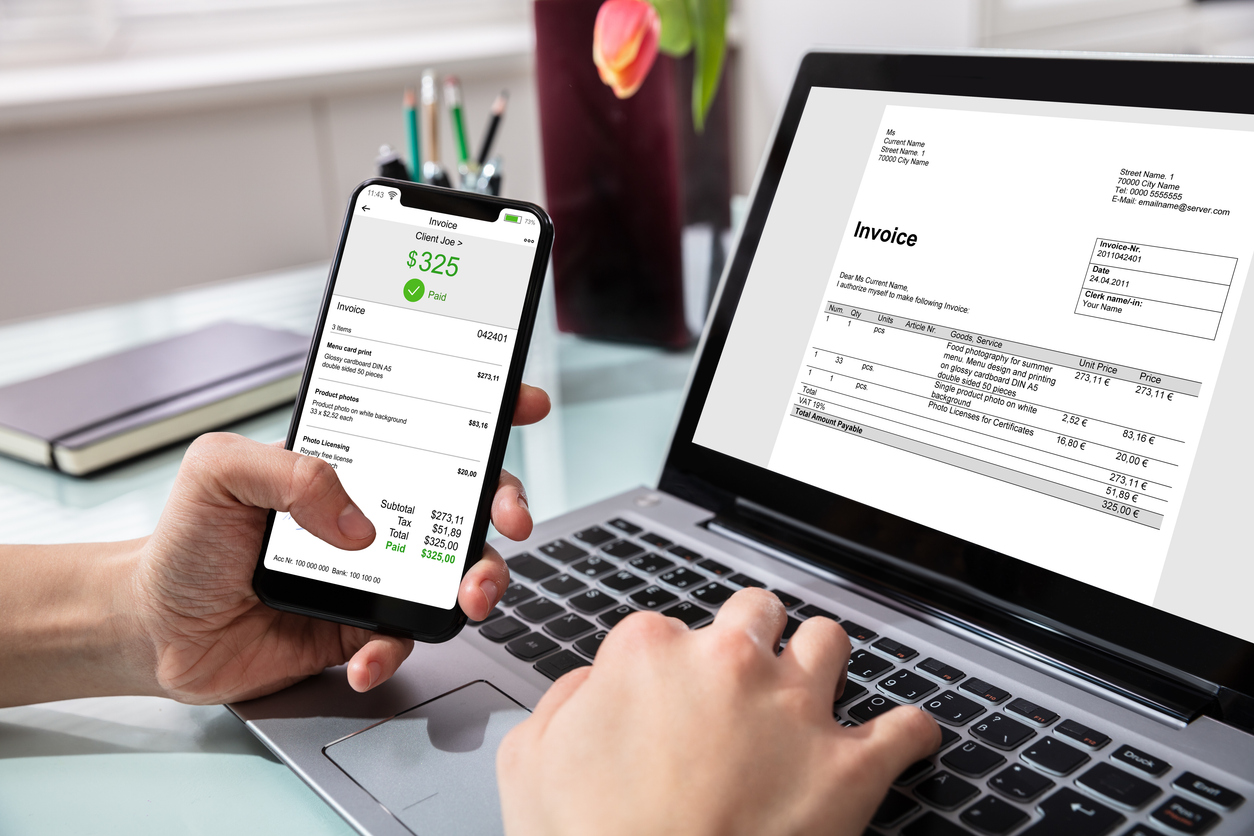
- Invoicing and payment processing
- Revenue assurance and fraud detection tools
- Integration with network infrastructure and CRM systems
Given Nigeria’s competitive telecom environment, billing accuracy and system reliability directly impact customer retention and operational efficiency.
Key Challenges Facing Telecom Billing Systems
1. High Transaction Volumes
Nigeria’s telecom networks process millions of transactions daily. Billing systems must operate in real time without delays or errors, especially for prepaid users who expect instant balance updates.
2. Regulatory Compliance
The Nigerian Communications Commission (NCC) enforces strict guidelines on billing transparency and consumer protection. Operators must ensure their systems comply with regulations on tariffs, billing accuracy, and dispute resolution.
3. Complex Pricing Structures
With bundled data plans, promotional offers, and dynamic pricing models, billing systems must handle multiple tariff configurations without compromising accuracy.
4. Revenue Leakage
Inefficient billing systems can lead to unbilled usage or incorrect charges, resulting in revenue loss. This is particularly critical in a price-sensitive market like Nigeria.
5. Integration with Legacy Systems
Many telecom operators in Nigeria still rely on legacy infrastructure. Integrating modern billing platforms with older systems can be technically challenging and resource-intensive.
Features to Look for in a Telecom Billing System
When selecting a telecom billing system in Nigeria, businesses and operators should prioritise the following features:
Scalability
The system must handle growing subscriber bases and increased data consumption without performance issues.
Real-Time Billing Capabilities
Real-time charging is essential for prepaid services, which dominate the Nigerian market.
Flexibility
The ability to support multiple pricing models, currencies, and service types ensures adaptability in a dynamic market.
Security and Fraud Management
Robust security features help prevent fraud and protect sensitive customer data.
Reporting and Analytics
Advanced reporting tools provide insights into customer behaviour, revenue streams, and operational performance.
The Role of Logistics and Supply Chain in Telecom Infrastructure
While billing systems are primarily digital, their successful deployment depends on a strong supply chain for hardware, networking equipment, and technical support.
This is where companies like Wigmore Trading play an important role. By facilitating the sourcing and distribution of telecom equipment, Wigmore Trading helps businesses access reliable infrastructure components needed to support billing systems and network operations.
From importing specialised hardware to managing logistics across Nigeria and West Africa, efficient supply chain management ensures that telecom operators can maintain system uptime and service quality.
Practical Solutions for Implementation
Partner with Experienced Vendors
Working with established billing system providers reduces the risk of system failure and ensures compliance with Nigerian regulations.
Invest in Local Support
Having access to local technical support teams improves response times and system maintenance, which is crucial in a high-demand environment.
Strengthen Supply Chain Operations
Reliable sourcing of servers, networking devices, and backup systems is essential. Wigmore Trading can assist businesses in navigating import processes, ensuring timely delivery and compliance with local regulations.
Regular System Audits
Periodic audits help identify billing discrepancies, improve accuracy, and prevent revenue leakage.
Future Trends in Telecom Billing in Nigeria
The telecom billing landscape in Nigeria is evolving rapidly, driven by:
- 5G deployment, which will increase data usage and billing complexity
- Digital payment integration, enabling seamless customer transactions
- AI-driven analytics, improving fraud detection and customer insights
- Cloud-based billing systems, offering scalability and cost efficiency
Businesses that adopt modern billing solutions and strengthen their operational infrastructure will be better positioned to compete in this growing market.
Conclusion
A reliable telecom billing system in Nigeria is essential for accurate revenue management, regulatory compliance, and customer satisfaction. As the telecom sector continues to expand, operators must invest in scalable, flexible, and secure billing platforms.
Equally important is the supporting infrastructure and supply chain that enables these systems to function effectively. With expertise in sourcing, logistics, and distribution, Wigmore Trading can help businesses access the equipment and support needed to maintain efficient telecom operations.
Wigmore Trading can help. Contact Wigmore Trading today to streamline your sourcing.





Comments are closed.