
Telecom Fraud and Revenue Assurance in Nigeria: Key Risks and Solutions

Nigeria’s telecom industry continues to expand rapidly, driven by increasing mobile penetration, data consumption, and digital services. However, with this growth comes a significant challenge: telecom fraud and revenue assurance in Nigeria.
Operators face constant risks from fraud schemes, billing inaccuracies, and operational inefficiencies that can lead to substantial revenue losses. Understanding these risks—and implementing effective revenue assurance strategies—is critical for maintaining profitability and regulatory compliance.
What Is Telecom Fraud?
Telecom fraud refers to the unauthorised use or manipulation of telecom services for financial gain. It often exploits vulnerabilities in network systems, billing platforms, or interconnect arrangements.
Common Types of Telecom Fraud in Nigeria
- SIM Box Fraud (Bypass Fraud): Routes international calls as local calls to avoid termination fees
- Subscription Fraud: Use of false identities to obtain SIM cards or services
- International Revenue Share Fraud (IRSF): Artificially inflating traffic to premium-rate numbers
- Wangiri Fraud: Missed-call scams encouraging users to call back high-cost numbers
- Roaming Fraud: Exploiting delays in billing systems to make uncharged calls
These fraud types directly impact operator revenues and distort traffic settlement processes.
Understanding Revenue Assurance in Telecom
Revenue assurance (RA) involves processes and systems designed to ensure that all services delivered are accurately billed and collected. It helps telecom operators identify, prevent, and recover revenue losses.
Core Elements of Revenue Assurance
- Data Integrity Checks: Ensuring accuracy of Call Detail Records (CDRs)
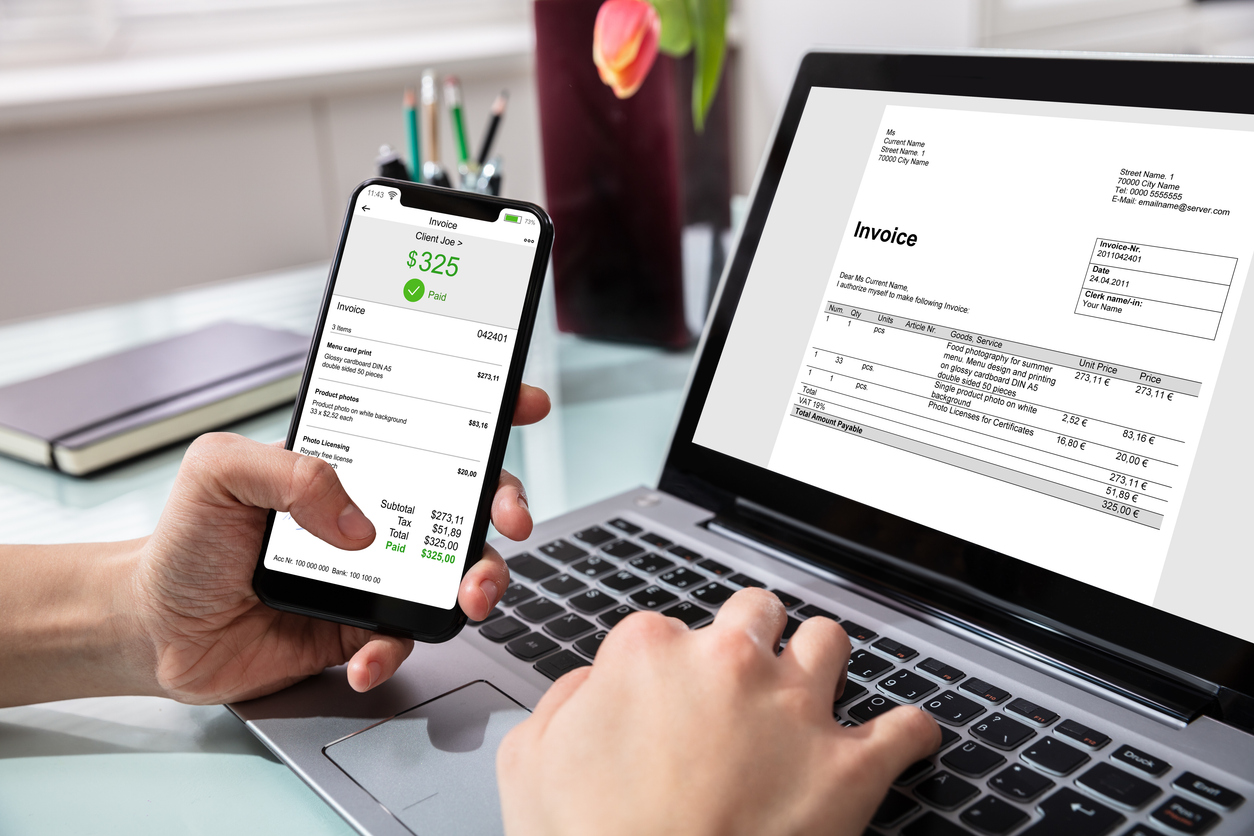
- Billing Verification: Matching usage data with billed amounts
- Leakage Detection: Identifying gaps between network activity and revenue
- Process Audits: Reviewing operational workflows for inefficiencies
Effective RA frameworks are essential for managing the complexity of telecom operations in Nigeria.
Why Telecom Fraud and Revenue Assurance in Nigeria Matters
The Nigerian telecom market is highly competitive and heavily regulated. Revenue losses from fraud or system inefficiencies can have serious consequences:
- Reduced profitability for operators
- Disputes between interconnect partners
- Regulatory penalties for non-compliance
- Loss of customer trust
Addressing telecom fraud and revenue assurance in Nigeria is therefore not just a technical issue, but a strategic priority.
Key Challenges Facing Telecom Operators
Increasing Network Complexity
With the rise of data services, mobile money, and digital platforms, telecom ecosystems are more complex than ever.
High Volume of Transactions
Millions of daily transactions make it difficult to detect anomalies without advanced analytics.
Evolving Fraud Techniques
Fraudsters continuously adapt, requiring ongoing monitoring and system upgrades.
Infrastructure and Operational Gaps
Inconsistent power supply, legacy systems, and fragmented processes can create vulnerabilities.
Practical Strategies to Reduce Fraud and Improve Revenue Assurance
Implement Real-Time Monitoring Systems
Real-time analytics can detect suspicious activity early, reducing potential losses.
Strengthen Interconnect Controls
Accurate tracking of incoming and outgoing traffic helps prevent settlement discrepancies.
Use Advanced Analytics and AI
Machine learning tools can identify unusual patterns that may indicate fraud.
Regular System Audits
Frequent audits ensure billing systems and operational processes remain accurate and efficient.
Improve SIM Registration and KYC Processes
Stronger identity verification reduces the risk of subscription fraud.
The Role of Logistics and Infrastructure in Telecom Security
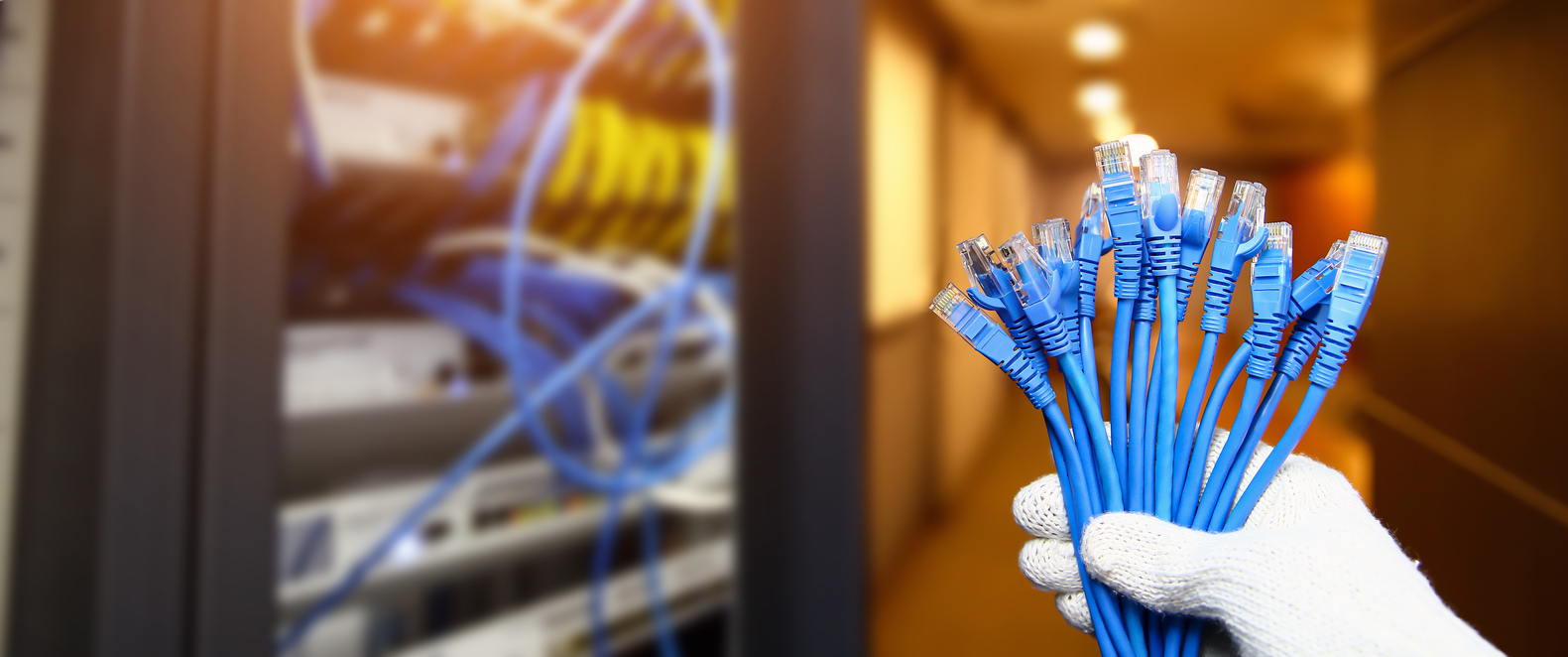
While telecom fraud is often viewed as a digital issue, physical infrastructure and supply chains also play a role. Equipment reliability, secure installations, and timely maintenance are critical to preventing system vulnerabilities.
Delays in sourcing or deploying network equipment can expose operators to risks, including outdated systems that are easier to exploit.
How Wigmore Trading Supports Telecom Operations
Wigmore Trading provides essential support to telecom companies in Nigeria through:
- Sourcing telecom hardware and network equipment globally
- Managing import/export compliance and customs clearance
- Coordinating efficient logistics and last-mile distribution
- Supporting infrastructure deployment with reliable supply chains
By ensuring timely access to quality equipment and streamlined logistics, Wigmore Trading helps telecom operators maintain secure and efficient systems that support revenue assurance efforts.
Future Outlook for Telecom Fraud Prevention in Nigeria
As the telecom sector evolves, fraud prevention and revenue assurance strategies are becoming more sophisticated. Key trends include:
- Integration of AI-driven fraud detection systems
- Cloud-based revenue assurance platforms
- Greater regulatory oversight and compliance requirements
- Collaboration between operators to combat fraud networks
Operators that invest in both technological and operational resilience will be better equipped to manage risks and sustain growth.
Conclusion
Telecom fraud and revenue assurance in Nigeria remain critical challenges for operators navigating a fast-growing and complex market. By implementing robust monitoring systems, improving operational processes, and securing infrastructure, telecom companies can significantly reduce revenue leakage and fraud risks.
A strong combination of technology, compliance, and reliable supply chain support is essential for long-term success.
Wigmore Trading can help. Contact Wigmore Trading today to streamline youSEO Details





Comments are closed.