
Telecom Billing Compliance in Nigeria: A Practical Guide for Operators

Nigeria’s telecom sector operates within a tightly regulated framework designed to ensure fair pricing, transparency, and consumer protection. As competition increases and service offerings become more complex, telecom billing compliance in Nigeria has become a critical priority for operators.
This article outlines what billing compliance involves, the regulatory environment, common challenges, and practical steps telecom companies can take to maintain compliance while improving operational efficiency.
What Is Telecom Billing Compliance?
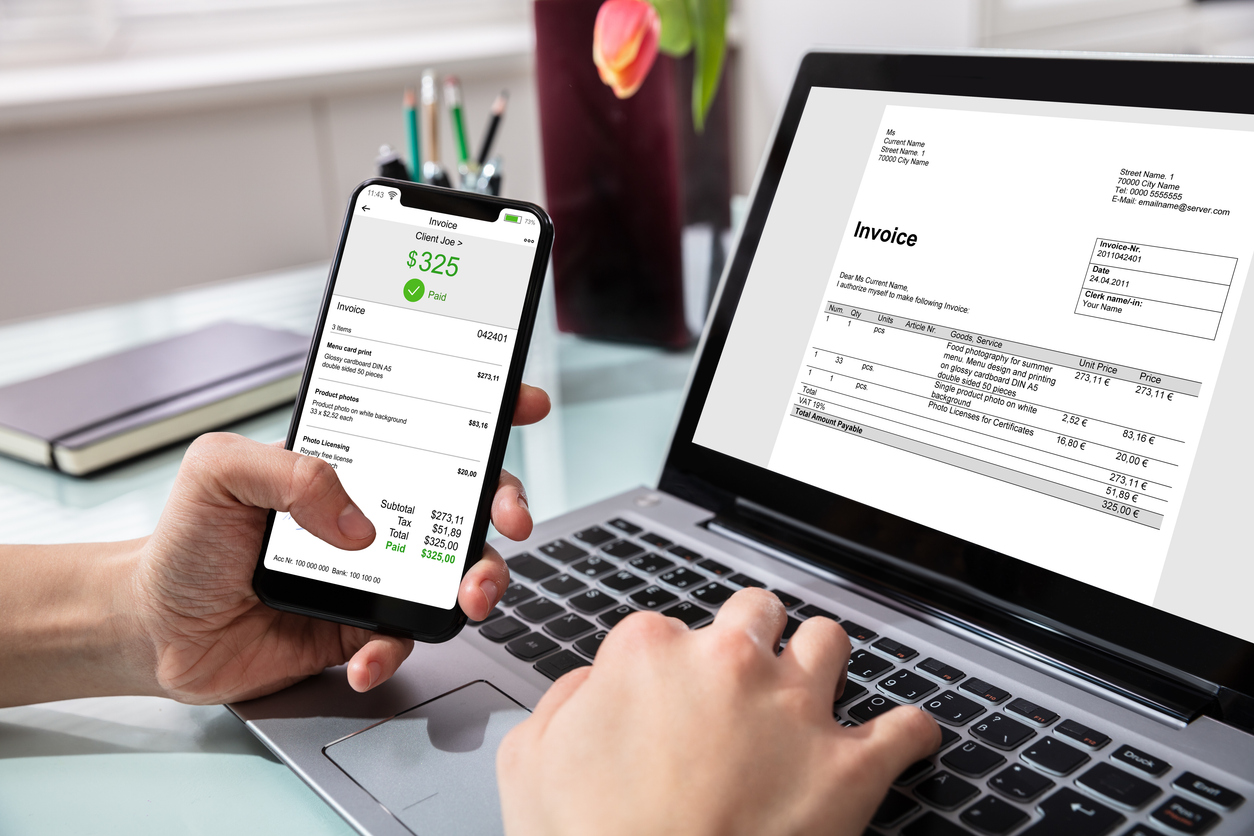
Telecom billing compliance refers to the adherence of telecom operators to regulatory standards, contractual obligations, and internal controls when charging customers and settling inter-operator transactions.
In Nigeria, billing compliance covers:
- Accurate charging for voice, data, and value-added services
- Transparent pricing and tariff disclosure
- Proper handling of customer complaints and disputes
- Compliance with interconnect and termination rate regulations
- Maintenance of auditable billing records
Failure to meet these requirements can result in penalties, reputational damage, and customer churn.
Regulatory Framework for Telecom Billing in Nigeria
The Nigerian Communications Commission (NCC) is the primary regulator overseeing telecom operations, including billing practices.
Key Compliance Areas
- Tariff Approval: Operators must obtain NCC approval for pricing structures
- Consumer Protection: Clear communication of charges and billing terms
- Quality of Service (QoS): Ensuring billing reflects actual service delivery
- Data Integrity: Accurate capture and processing of usage data
- Dispute Resolution: Timely handling of billing complaints
Operators are expected to maintain systems that can withstand audits and demonstrate compliance at any time.
Why Telecom Billing Compliance in Nigeria Matters
Maintaining compliance is not just a regulatory requirement—it directly impacts business performance.
1. Revenue Protection
Accurate billing ensures operators collect the correct revenue for services delivered.
2. Customer Trust
Transparent billing reduces disputes and improves customer satisfaction.
3. Operational Efficiency
Standardised processes reduce errors and manual intervention.
4. Regulatory Stability
Compliance minimises the risk of fines and operational disruptions.
Common Challenges in Telecom Billing Compliance
Complex Service Offerings
Bundled services, promotional tariffs, and data packages increase billing complexity.
High Data Volumes
Millions of daily transactions require robust processing systems.
System Integration Issues
Disconnects between network elements, mediation systems, and billing platforms can lead to inaccuracies.
Fraud and Revenue Leakage
Unmonitored traffic and bypass activities can distort billing data.
Changing Regulations
Operators must continuously adapt to updates from the NCC.
Best Practices for Ensuring Compliance
Implement Robust Billing Systems
Modern billing platforms should support real-time processing and detailed audit trails.
Strengthen Data Validation
Mediation systems must filter and verify usage data before billing.
Conduct Regular Audits
Internal and external audits help identify discrepancies early.
Automate Compliance Reporting
Automated systems reduce human error and improve reporting accuracy.
Train Staff on Regulatory Requirements
Ensuring teams understand compliance obligations reduces operational risk.
The Role of Infrastructure and Supply Chains
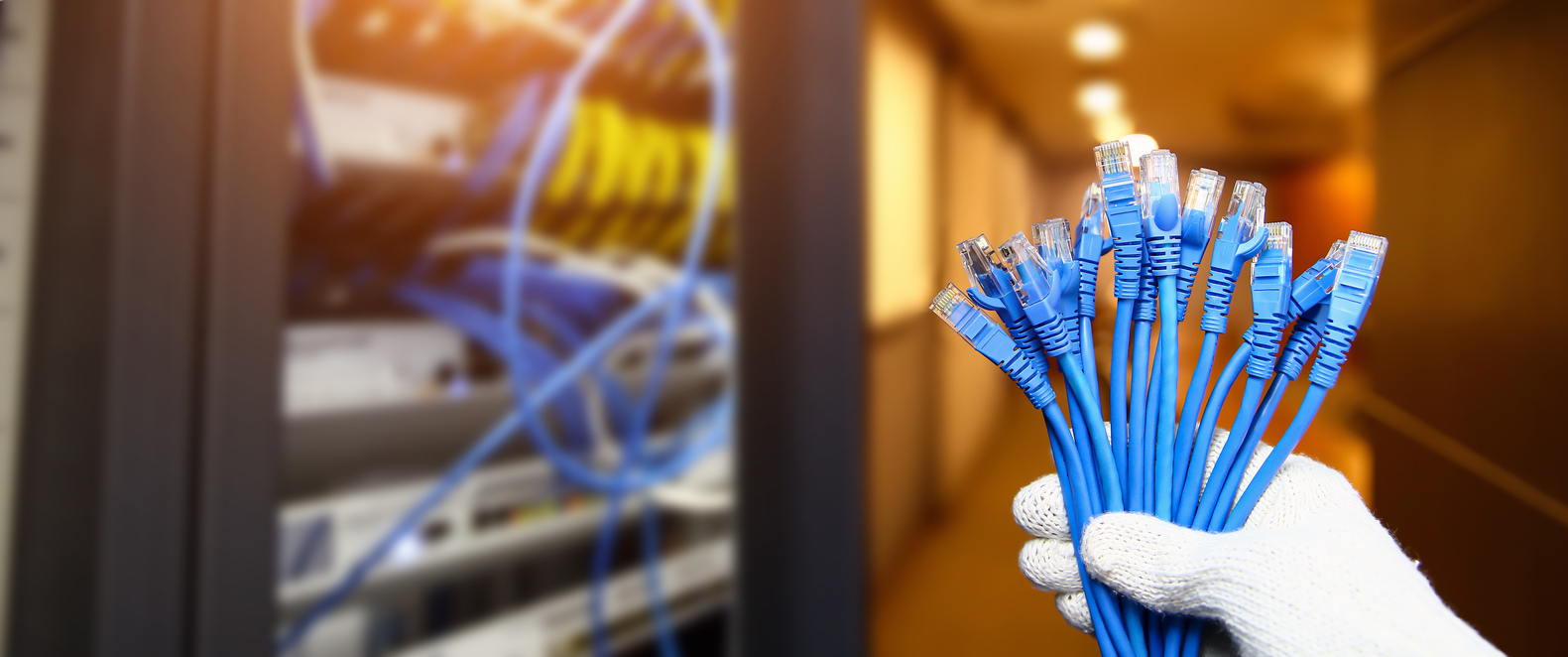
Billing compliance is not only about software—it also depends on reliable infrastructure. Servers, network equipment, and data centres must function consistently to ensure accurate billing and reporting.
Delays in sourcing or maintaining critical hardware can disrupt billing operations and affect compliance.
Wigmore Trading supports telecom operators by:
- Sourcing telecom infrastructure and hardware components globally
- Managing import/export processes in line with Nigerian regulations
- Providing warehousing and distribution solutions across the country
- Ensuring timely delivery of equipment to maintain system uptime
Efficient supply chain management helps operators maintain the reliability required for compliant billing systems.
Future Trends in Telecom Billing Compliance
Nigeria’s telecom sector is evolving, and compliance requirements are becoming more sophisticated.
Key trends include:
- Real-time billing and charging systems
- AI-driven anomaly detection for fraud prevention
- Cloud-based billing platforms for scalability
- Stronger consumer protection regulations
Operators that invest in compliant, scalable systems will be better equipped to adapt to these changes.
Conclusion
Telecom billing compliance in Nigeria is essential for maintaining regulatory alignment, protecting revenue, and building customer trust. As telecom services grow more complex, operators must adopt advanced systems, strengthen internal processes, and ensure infrastructure reliability.
Combining strong billing practices with dependable logistics and supply chain support can significantly improve compliance outcomes.
Wigmore Trading can help. Contact Wigmore Trading today to streamline your sourcing.





Comments are closed.