
Telecom Billing Compliance in Africa: Key Requirements and Best Practices


As Africa’s telecommunications sector expands, regulatory oversight is becoming more structured and demanding. Operators must ensure that billing systems are transparent, accurate, and aligned with national and regional regulations. Telecom billing compliance in Africa is now a critical priority, not only for regulatory approval but also for maintaining customer trust and financial stability.
This article explores the key compliance requirements, common challenges, and practical strategies telecom operators can adopt across African markets.
What Is Telecom Billing Compliance?
Telecom billing compliance refers to the adherence of billing systems and processes to regulatory standards set by national authorities. These standards ensure that:
- Customers are billed accurately for services used
- Pricing structures are transparent and clearly communicated
- Taxes and levies are correctly applied
- Inter-operator settlements are fair and verifiable
Across Africa, regulatory bodies such as the Nigerian Communications Commission (NCC), Communications Authority of Kenya (CA), and ICASA in South Africa enforce these requirements.
Key Elements of Telecom Billing Compliance in Africa
Transparent Pricing Structures
Operators must clearly define tariffs, bundles, and promotional offers. Hidden charges or unclear billing practices can lead to penalties and reputational damage.
Accurate Usage Measurement
Billing systems must capture and process usage data (calls, SMS, data) without discrepancies. This requires reliable mediation and rating systems.
Tax and Regulatory Fee Compliance
Telecom services often include multiple taxes, such as VAT and sector-specific levies. Correct calculation and reporting are essential.
Audit and Reporting Requirements
Regulators may require periodic audits of billing systems and financial reports to ensure compliance.
Customer Data Protection
Billing systems must safeguard sensitive subscriber information in line with data protection laws.
Challenges Affecting Telecom Billing Compliance
Diverse Regulatory Frameworks
Each African country has its own telecom regulations, making cross-border operations complex.
Legacy Billing Systems
Older systems may not support real-time billing or compliance reporting, increasing the risk of errors.
High Transaction Volumes
Large subscriber bases generate vast amounts of data, making accurate processing more difficult.
Fraud and Revenue Leakage
Unmonitored traffic or system loopholes can lead to financial losses and compliance issues.
Infrastructure Constraints
Power instability and connectivity issues can disrupt billing operations and data accuracy.
Best Practices for Ensuring Compliance
Upgrade to Modern Billing Platforms
Adopt systems that support real-time charging, automated reporting, and regulatory updates.
Implement Strong Revenue Assurance Controls
Regular reconciliation of network data and billing outputs helps identify discrepancies early.
Standardise Compliance Processes
Develop internal frameworks that align with regulatory requirements across multiple markets.
Conduct Regular Audits
Internal and external audits ensure systems remain compliant and identify areas for improvement.
Train Operational Teams
Staff should understand compliance requirements and how to manage billing systems effectively.
The Role of Logistics and Supply Chains in Billing Compliance
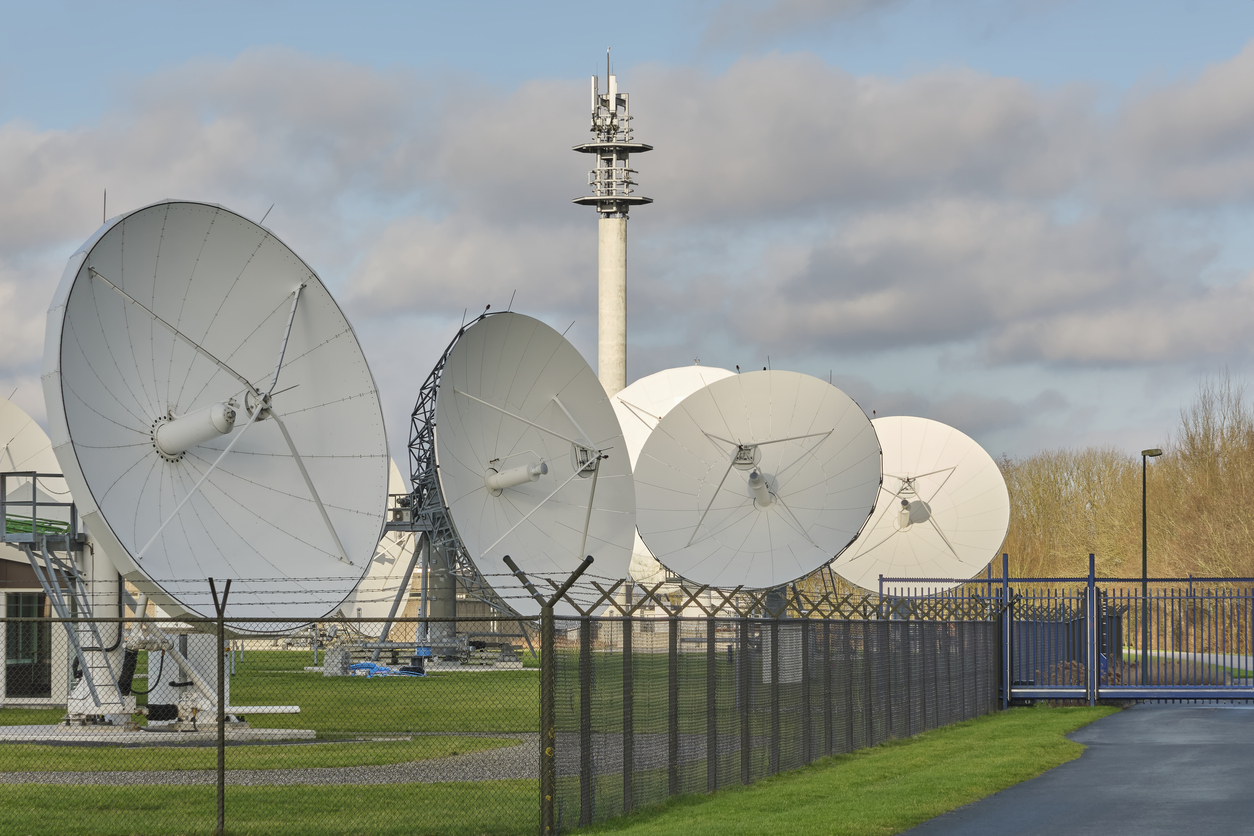
Although telecom billing is primarily a digital function, physical infrastructure plays a crucial role. Servers, data centres, network equipment, and backup systems must be sourced and maintained efficiently.
Delays in equipment procurement or infrastructure deployment can impact billing accuracy and compliance.
Wigmore Trading supports telecom operators across Africa by:
- Sourcing and importing telecom hardware and infrastructure components
- Managing customs clearance and regulatory documentation
- Providing warehousing and distribution solutions
- Ensuring timely delivery of critical equipment for billing and network systems
By maintaining a reliable supply chain, telecom operators can reduce operational risks that may affect compliance.
Regulatory Trends Shaping Telecom Billing Compliance in Africa
Increased Regulatory Scrutiny
Authorities are tightening oversight to protect consumers and ensure fair competition.
Digital Transformation
Regulators are encouraging real-time billing and digital reporting systems.
Cross-Border Harmonisation
Regional bodies are working towards aligning telecom regulations to simplify cross-border operations.
Focus on Consumer Protection
Clear billing and dispute resolution mechanisms are becoming mandatory.
Why Telecom Billing Compliance Matters
Failure to comply with billing regulations can result in:
- Financial penalties and fines
- Suspension of operating licences
- Loss of customer trust
- Revenue losses due to inaccurate billing
On the other hand, strong compliance frameworks improve operational efficiency, enhance transparency, and support long-term growth.
Conclusion
Telecom billing compliance in Africa is a complex but essential aspect of telecom operations. With diverse regulatory environments and increasing data volumes, operators must invest in robust systems, processes, and infrastructure to ensure accuracy and transparency.
Combining modern billing technologies with reliable logistics and supply chain support can significantly reduce compliance risks and improve overall performance.
Wigmore Trading can help. Contact Wigmore Trading today to streamline your sourcing.




Comments are closed.