
Telecom Billing Analytics in Nigeria: Improving Accuracy and Revenue Assurance
Talk to us about this service
Trade, import, logistics, sourcing — whatever you're planning, the fastest way to a quote is a WhatsApp message. Our team replies during Lagos business hours.
WhatsApp usYour message tells us which page you came from
Nigeria’s telecommunications sector handles vast volumes of voice, data, and digital service transactions daily. As competition intensifies and pricing structures become more complex, operators increasingly rely on telecom billing analytics in Nigeria to maintain accuracy, detect revenue leakage, and support strategic decision-making.
This article explores how billing analytics works, its importance in the Nigerian telecom landscape, and how operational partners like Wigmore Trading can support the infrastructure behind these systems.
What Is Telecom Billing Analytics?
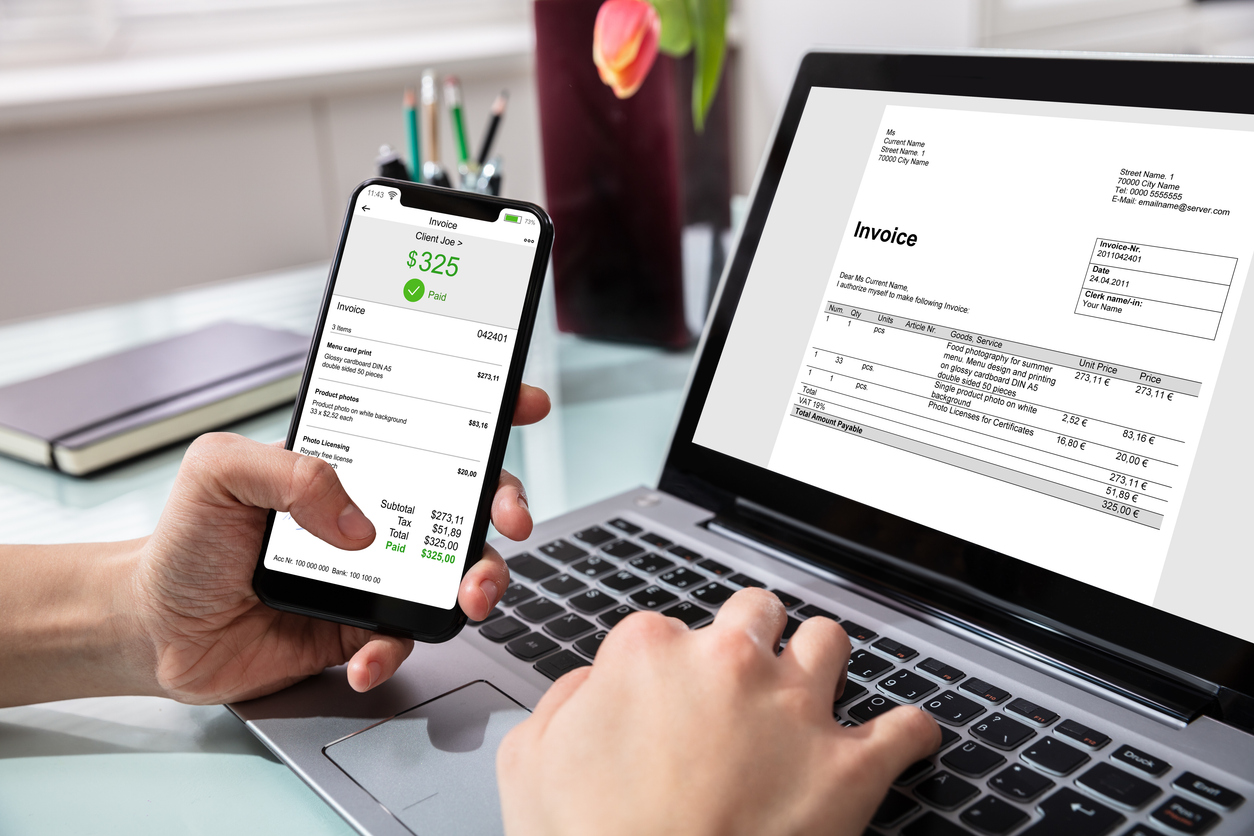
Telecom billing analytics refers to the use of data analysis tools and techniques to monitor, validate, and optimise billing processes. It builds on core billing systems such as rating engines and mediation platforms by providing insights into performance, discrepancies, and revenue trends.
Key Capabilities of Telecom Billing Analytics
- Data Validation: Ensures billing data matches network usage records
- Revenue Tracking: Monitors income across services and customer segments
- Anomaly Detection: Identifies unusual patterns that may indicate fraud or errors
- Performance Reporting: Provides insights into billing efficiency and accuracy
In Nigeria, where subscriber growth and service diversity are high, analytics is essential for maintaining financial control.
Why Telecom Billing Analytics Matters in Nigeria
Managing High Transaction Volumes
With millions of active subscribers, Nigerian telecom operators process enormous amounts of data daily. Billing analytics helps manage and interpret this data efficiently.
Supporting Complex Pricing Models
Operators offer bundled services, promotions, and dynamic pricing. Analytics ensures these pricing structures are correctly applied.
Reducing Revenue Leakage
Even small billing inaccuracies can result in significant financial losses. Analytics tools help detect and correct these issues promptly.
Enhancing Regulatory Compliance
The Nigerian Communications Commission (NCC) requires operators to maintain transparent and accurate billing practices. Analytics supports compliance by providing auditable records.
How Telecom Billing Analytics Works
Data Collection and Integration
Billing analytics systems collect data from multiple sources, including:
- Network switches
- Mediation systems
- Customer billing platforms
- Payment systems
Data Processing and Analysis
Advanced tools process this data to:
- Compare expected vs actual billing outcomes
- Identify inconsistencies
- Generate alerts for investigation
Reporting and Insights
Operators use dashboards and reports to:
- Monitor key performance indicators (KPIs)
- Track revenue trends
- Improve pricing strategies
Challenges in Implementing Telecom Billing Analytics in Nigeria
Data Quality Issues
Incomplete or inaccurate data from network systems can affect analysis outcomes.
Infrastructure Constraints
Reliable power supply, connectivity, and hardware are essential for real-time analytics.
Integration Complexity
Combining data from multiple legacy systems can be technically challenging.
Fraud and Bypass Risks
Unregulated traffic routes and SIM box fraud can distort billing data.
Practical Approaches to Strengthen Billing Analytics
Invest in Real-Time Analytics Platforms
Real-time insights allow operators to detect and resolve issues quickly.
Standardise Data Formats
Consistent data structures improve accuracy and simplify integration.
Use Predictive Analytics
Machine learning tools can forecast trends and identify potential risks.
Strengthen Internal Controls
Clear processes for auditing and reconciliation reduce errors.
The Role of Logistics and Supply Chain in Telecom Analytics Infrastructure
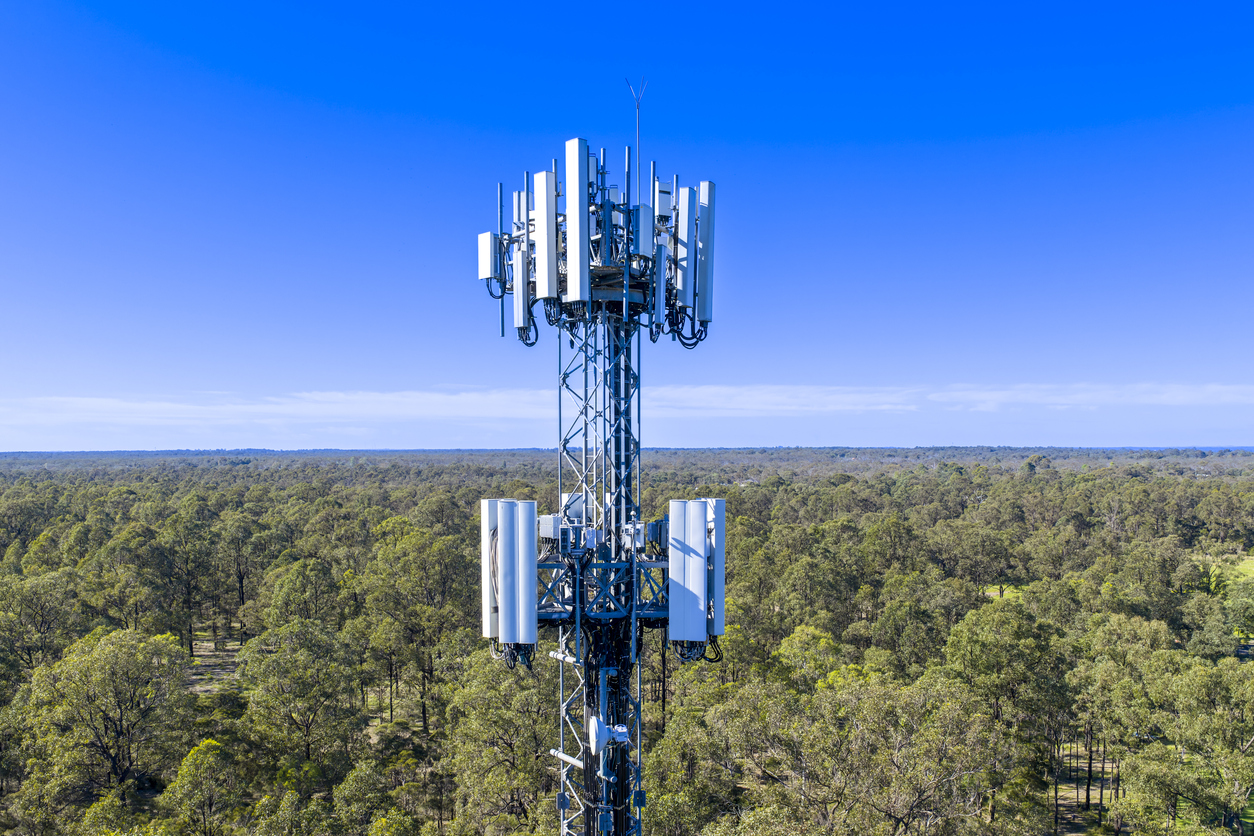
Although telecom billing analytics is largely software-driven, it depends on physical infrastructure such as servers, networking equipment, and data centre components. Efficient sourcing and logistics are essential to maintain system performance.
Wigmore Trading supports telecom operators in Nigeria by:
- Sourcing specialised IT and telecom hardware globally
- Managing import/export compliance and customs clearance
- Providing warehousing and distribution solutions
- Ensuring timely delivery of critical infrastructure components
This support helps operators maintain the uptime and reliability of billing analytics systems.
Future Trends in Telecom Billing Analytics
Nigeria’s telecom sector is evolving rapidly, and billing analytics is becoming more advanced. Key trends include:
- Cloud-based analytics platforms for scalability
- AI-driven fraud detection systems
- Integration with digital payment ecosystems
- Enhanced customer experience analytics
Operators that adopt these technologies can improve efficiency and remain competitive in a dynamic market.
Conclusion
Telecom billing analytics in Nigeria plays a critical role in ensuring accurate billing, reducing revenue leakage, and supporting regulatory compliance. As telecom services expand and pricing models become more complex, analytics provides the visibility operators need to manage their operations effectively.
By combining advanced analytics tools with reliable infrastructure and supply chain support, telecom companies can strengthen their billing systems and improve overall performance.
Wigmore Trading can help. Contact Wigmore Trading today to streamline your sourcing.
No Comments Yet.




Comments are closed.