
Telecom Data Reconciliation in Nigeria: Improving Accuracy and Revenue Assurance

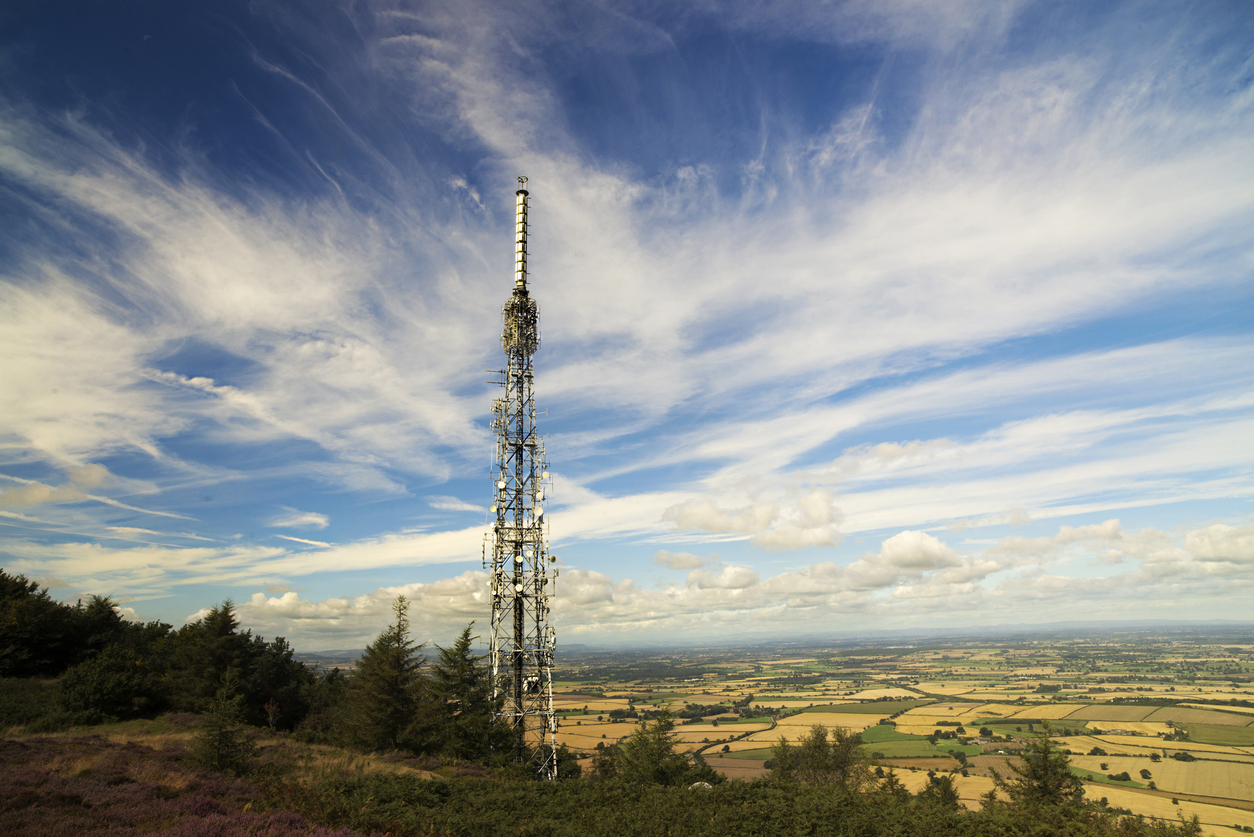
In Nigeria’s fast-growing telecommunications sector, maintaining accurate financial records and network data is essential. With millions of daily transactions across voice, SMS, and data services, even minor inconsistencies can lead to significant revenue losses. This is where telecom data reconciliation in Nigeria plays a critical role.
This article explores how telecom data reconciliation works, the challenges operators face, and how efficient logistics and operational support can strengthen overall performance.
What Is Telecom Data Reconciliation?
Telecom data reconciliation is the process of comparing and validating data across multiple systems within a telecom network. It ensures that usage records, billing data, and settlement figures are accurate and aligned.
Key Areas of Reconciliation
- Network vs Billing Systems: Ensuring all generated usage is billed correctly
- Interconnect Data: Matching traffic exchanged between operators
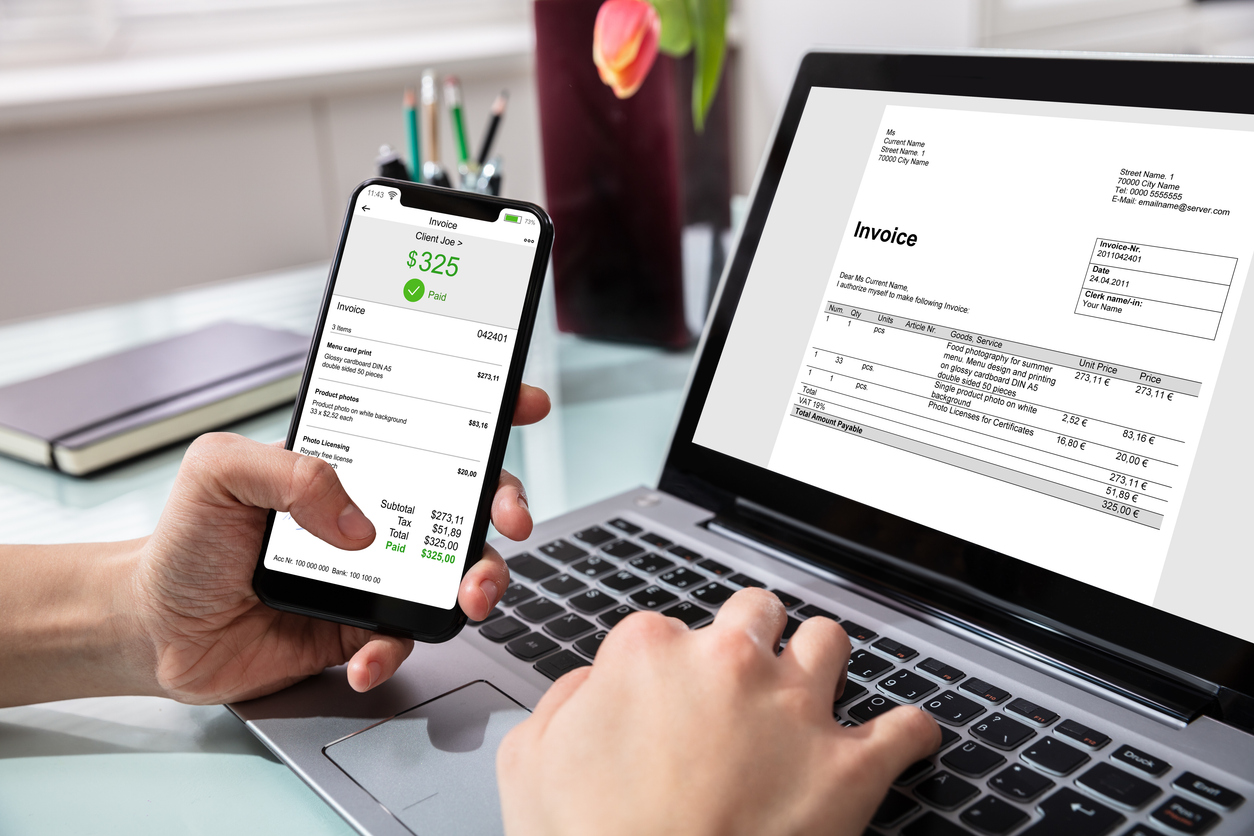
- Financial Records: Verifying invoices, payments, and settlements
- Subscriber Data: Aligning customer usage with charges applied
In Nigeria, where telecom networks handle large volumes of traffic daily, reconciliation is essential for maintaining financial integrity.
Why Telecom Data Reconciliation in Nigeria Is Critical
Preventing Revenue Leakage
Unreconciled data can result in missed charges or incorrect billing. Even small discrepancies, when scaled across millions of users, can significantly impact revenue.
Ensuring Regulatory Compliance
The Nigerian Communications Commission (NCC) requires operators to maintain transparent and accurate reporting. Effective reconciliation supports compliance with these standards.
Supporting Accurate Traffic Settlement
Inter-operator payments rely on correct traffic data. Reconciliation ensures that settlement figures are fair and verifiable.
Enhancing Customer Trust
Accurate billing reduces disputes and improves customer satisfaction, which is crucial in a competitive telecom market.
Common Challenges in Telecom Data Reconciliation
High Data Volumes
Telecom operators in Nigeria process vast amounts of data daily, making reconciliation complex and resource-intensive.
Multiple Data Sources
Data flows from network elements, mediation systems, billing platforms, and third-party services. Aligning these sources requires robust systems.
Data Quality Issues
Incomplete or inconsistent data can lead to reconciliation errors.
Fraud and Bypass Activities
Unregistered traffic and SIM box fraud can distort reconciliation results and impact revenue.
Infrastructure Constraints
Power supply issues, system downtime, and hardware limitations can disrupt reconciliation processes.
Practical Approaches to Improve Reconciliation Processes
Automate Reconciliation Systems
Using automated tools reduces manual errors and speeds up data validation across systems.
Implement Real-Time Monitoring
Real-time reconciliation allows operators to detect discrepancies early and take corrective action quickly.
Standardise Data Formats
Consistent data structures improve integration between systems and reduce errors.
Strengthen Audit and Reporting
Regular audits help identify recurring issues and improve long-term accuracy.
Invest in Scalable Infrastructure
Reliable hardware and cloud-based solutions support large-scale data processing.
The Role of Logistics and Supply Chain Support
While telecom data reconciliation is primarily a technical process, it depends heavily on physical infrastructure. Network equipment, servers, and data centres must operate reliably to ensure consistent data flow.
Wigmore Trading supports telecom operators in Nigeria by providing:
- Sourcing of telecom hardware and infrastructure components
- Import and export management with full regulatory compliance
- Efficient warehousing and nationwide distribution
- Timely delivery of critical equipment to minimise downtime
By ensuring that essential infrastructure is available and functioning, operators can maintain the integrity of their reconciliation systems.
Future Trends in Telecom Data Reconciliation
Nigeria’s telecom sector continues to evolve, and reconciliation processes are becoming more advanced. Key trends include:
- AI-driven reconciliation tools for anomaly detection
- Cloud-based platforms for scalability and flexibility
- Integration with revenue assurance systems
- Enhanced cybersecurity measures to protect sensitive data
Operators that adopt these technologies will be better positioned to manage complexity and improve financial performance.
Conclusion
Telecom data reconciliation in Nigeria is a vital process that ensures accuracy across billing, network operations, and financial systems. With increasing data volumes and complex service offerings, operators must invest in efficient reconciliation systems to prevent revenue loss and maintain compliance.
Strong operational support, including reliable sourcing and logistics, plays an important role in sustaining these systems.
Wigmore Trading can help. Contact Wigmore Trading today to streamline your sourcing.




Comments are closed.