
Legacy Telecom Billing Upgrade in Nigeria: Challenges and Solutions

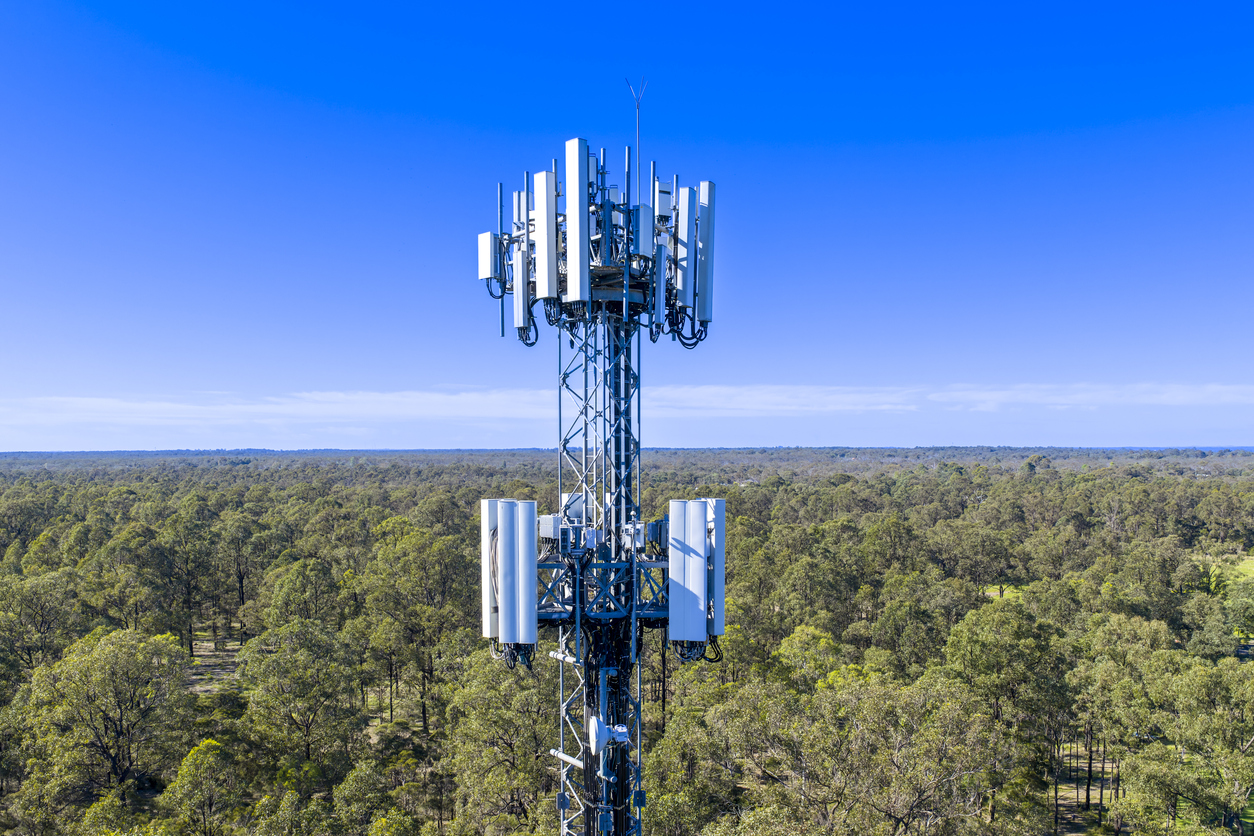
Nigeria’s telecommunications sector continues to expand as mobile penetration, digital services, and data consumption increase across the country. However, many telecom operators still rely on outdated billing infrastructure that struggles to support modern customer demands and evolving regulatory requirements.
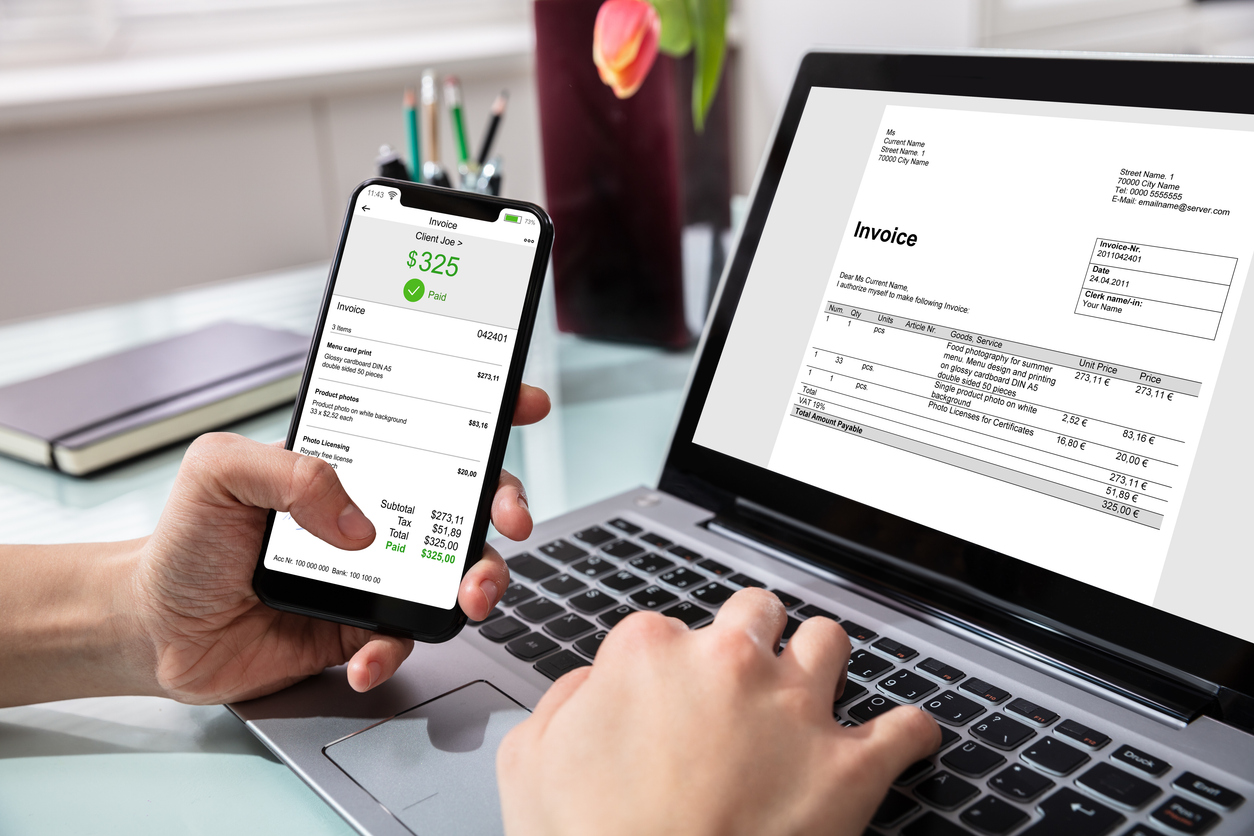
A legacy telecom billing upgrade in Nigeria is becoming increasingly important for operators seeking to improve operational efficiency, reduce revenue leakage, and support new digital services. This article explores the reasons behind billing system upgrades, common challenges during implementation, and practical strategies for successful migration.
Why Legacy Billing Systems Are Becoming Obsolete
Many telecom operators originally deployed billing platforms designed for traditional voice and SMS services. Today’s telecom environment is significantly more complex.
Modern telecom customers expect:
- Real-time data billing
- Flexible prepaid and postpaid plans
- Mobile money integration
- Digital subscriptions and bundled services
- Accurate usage tracking across multiple channels
Legacy systems often lack the flexibility and scalability required to support these demands efficiently.
Common Problems with Legacy Telecom Billing Systems
Limited Scalability
Older billing platforms may struggle to process increasing transaction volumes as subscriber numbers grow.
Slow Product Deployment
Launching new tariff plans or digital services can take longer because outdated systems require manual configuration or custom coding.
Revenue Leakage
Billing inaccuracies and delayed processing can result in lost revenue and customer disputes.
Integration Challenges
Legacy platforms may not integrate smoothly with newer CRM systems, payment gateways, or analytics tools.
Compliance Risks
Telecom regulations in Nigeria continue to evolve, requiring operators to maintain accurate reporting and transparent billing practices.
Benefits of a Legacy Telecom Billing Upgrade in Nigeria
Upgrading billing infrastructure provides several operational and financial advantages.
Improved Real-Time Billing
Modern billing systems allow operators to process charges instantly, improving customer transparency and reducing credit risk.
Better Customer Experience
Subscribers receive more accurate billing information, faster account updates, and flexible service options.
Enhanced Revenue Assurance
Automated validation and analytics help minimise fraud and billing errors.
Faster Service Innovation
Operators can launch new products, bundles, and digital offerings more efficiently.
Stronger Data Analytics
Modern platforms provide better insights into customer behaviour, usage trends, and profitability.
Key Considerations During Billing System Migration
A successful legacy telecom billing upgrade in Nigeria requires careful planning and execution.
Data Migration Accuracy
Historical subscriber and billing data must be transferred securely and accurately to avoid customer disruption.
System Compatibility
New billing platforms should integrate with:
- CRM systems
- Network infrastructure
- Payment systems
- Revenue assurance tools
- Customer support platforms
Staff Training
Employees must understand the new workflows and reporting systems to maximise operational efficiency.
Regulatory Compliance
Operators should ensure upgraded systems align with Nigerian Communications Commission (NCC) requirements.
Business Continuity
Migration projects must minimise downtime and maintain uninterrupted service for subscribers.
Infrastructure and Supply Chain Requirements
Billing system upgrades often involve both software and hardware infrastructure investments. Telecom operators may need:
- Data centre equipment
- Networking hardware
- Servers and storage systems
- Backup power solutions
- Imported telecom components
Efficient sourcing and logistics are essential to avoid project delays and increased operational costs.
How Wigmore Trading Supports Telecom Infrastructure Projects
Large-scale telecom system upgrades require reliable procurement and logistics support. Wigmore Trading assists telecom operators and technology providers by helping manage the movement and sourcing of critical infrastructure components.
Services may include:
- International sourcing of telecom equipment
- Import documentation and customs support
- Warehousing and inventory management
- Nationwide distribution across Nigeria
- Supply chain coordination for infrastructure projects
By supporting efficient procurement and logistics, telecom companies can reduce delays during billing infrastructure upgrades and technology deployments.
The Future of Telecom Billing in Nigeria
Nigeria’s telecom industry is evolving rapidly with the growth of:
- 5G infrastructure
- Cloud-based telecom services
- IoT connectivity
- Mobile financial services
- Digital entertainment platforms
Modern billing systems are essential for supporting these technologies and maintaining competitive service delivery.
Operators that modernise their billing infrastructure will be better positioned to improve customer experience, reduce operational inefficiencies, and scale their digital services.
Conclusion
A legacy telecom billing upgrade in Nigeria is no longer simply a technology improvement project. It is a strategic investment that helps telecom operators improve billing accuracy, support new services, strengthen compliance, and reduce revenue loss.
Careful planning, reliable infrastructure sourcing, and efficient logistics all play an important role in successful billing transformation projects.
Wigmore Trading can help. Contact Wigmore Trading today to streamline your sourcing.




Comments are closed.