
How to Sell Coca-Cola Wholesale in Nigeria

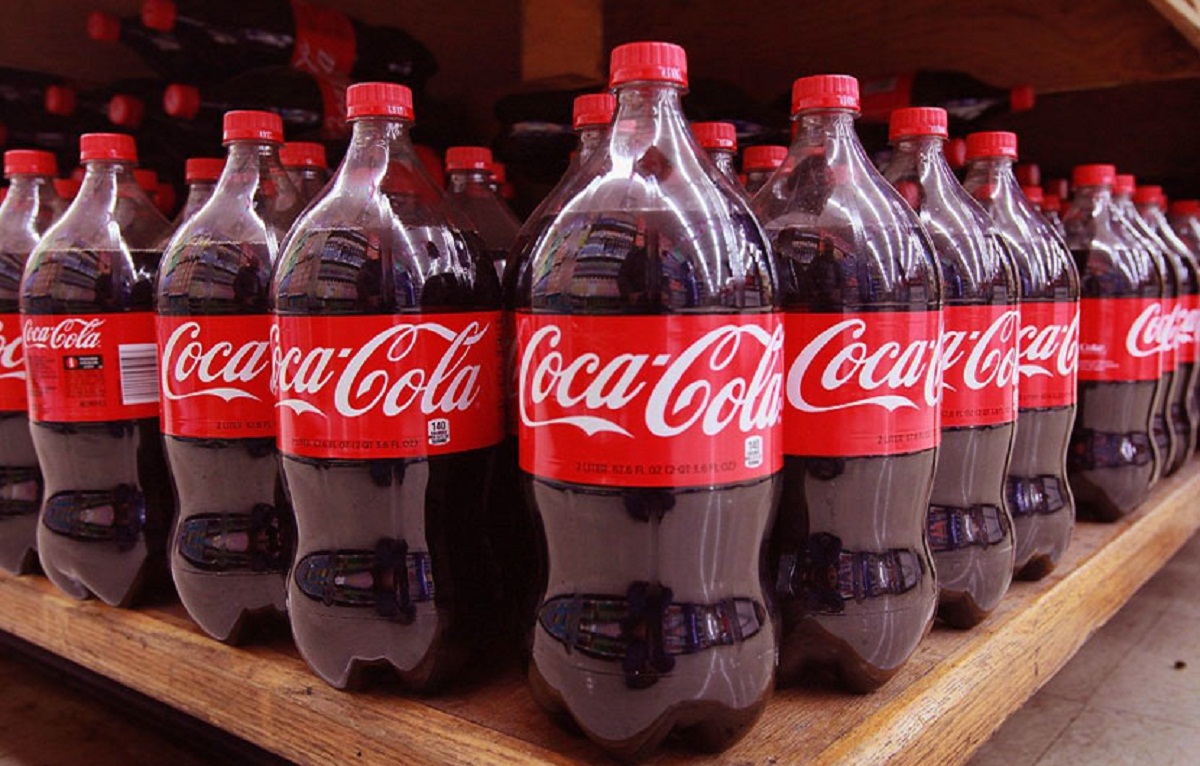
Selling Coca-Cola wholesale in Nigeria can be a profitable business, but it is not as simple as buying drinks in bulk and reselling them. The soft drinks market is competitive, price-sensitive, and heavily dependent on reliable supply, fast-moving inventory, and strong relationships with retailers, event suppliers, hotels, restaurants, supermarkets, and open-market traders.
For businesses asking how to sell Coca-Cola wholesale in Nigeria, the real opportunity lies in understanding distribution channels, pricing margins, storage requirements, and the daily realities of FMCG movement across Nigerian markets. Whether you want to supply shops in Lagos, distribute to restaurants in Abuja, or serve retailers across regional trade routes, success depends on buying correctly, managing logistics carefully, and keeping stock moving.
Understand How Coca-Cola Distribution Works in Nigeria
Coca-Cola products are usually distributed through established bottling and distribution networks. Wholesale sellers typically operate as sub-distributors, bulk buyers, depot customers, or regional resellers depending on their capacity and location.
Before entering the market, you need to understand where your business fits:
- Large wholesalers buy in bigger volumes and supply smaller distributors.
- Retail-focused suppliers sell to kiosks, mini-marts, restaurants, and supermarkets.
- Event suppliers provide drinks for weddings, conferences, hotels, schools, and religious gatherings.
- Regional distributors move stock from major cities to secondary markets.
The most important question is not only where to buy Coca-Cola products, but whether you can access consistent stock at a price that leaves enough margin after transport, loading, breakage, storage, and credit sales.
What You Need Before Selling Coca-Cola Wholesale
To sell Coca-Cola wholesale in Nigeria, you need more than capital. You need an operating structure that can handle fast-moving consumer goods.
Key requirements include:
- Reliable source of supply
Avoid depending on irregular middlemen if you plan to grow. Work with verified suppliers, approved distributors, or established wholesale partners. - Storage space
Soft drinks require clean, dry, secure storage. Poor stacking can cause bottle damage, carton collapse, or unnecessary losses. - Delivery capacity
Customers expect quick restocking, especially retailers who sell daily. A van, truck arrangement, or dependable logistics partner is important. - Working capital
FMCG wholesale often works on thin margins. You need enough cash flow to restock quickly and avoid losing customers. - Market knowledge
Prices can vary between Lagos, Ibadan, Onitsha, Abuja, Port Harcourt, Kano, and other trade hubs because of transport costs, distributor pricing, and demand cycles.
Choosing the Right Coca-Cola Products to Sell
Not every product moves at the same speed in every location. In many Nigerian markets, popular carbonated drinks, bottled water, energy drinks, and smaller pack sizes may sell faster than premium or slower-moving variants.
Before buying in bulk, study your target customers:
- Small shops may prefer fast-selling crates and PET bottles.
- Restaurants may need consistent daily supply.
- Supermarkets may require cleaner packaging and invoice documentation.
- Event planners may buy mixed drinks in bulk.
- Rural retailers may prioritize price and durability during transport.
Stock selection should be based on turnover, not personal preference. A product with a lower margin but faster movement can be more profitable than slow stock that ties down capital.
Pricing, Margins, and the Real Cost of Wholesale Supply
Many new wholesalers underestimate the full cost of selling Coca-Cola wholesale in Nigeria. The purchase price is only one part of the business.
You also need to calculate:
- Transport from depot or supplier
- Loading and offloading charges
- Warehouse rent or storage cost
- Breakages and damaged packs
- Driver or delivery expenses
- Market levies where applicable
- Credit delays from customers
- Price changes from suppliers
For example, a wholesaler supplying retailers across Lagos may face different cost pressures from one supplying shops outside the city. Apapa traffic, fuel prices, road delays, and delivery distance can reduce margins if pricing is not properly planned.
The safest approach is to calculate profit per carton, crate, or pack after all expenses—not just the difference between buying and selling price.
How to Find Buyers for Coca-Cola Wholesale in Nigeria
The strongest buyers are usually businesses that need regular restocking. Instead of waiting for customers to come to you, build a route-based sales model.
Potential buyers include:
- Supermarkets and mini-marts
- Restaurants and bars
- Hotels and lounges
- Schools and canteens
- Event planners
- Market retailers
- Open-market drink sellers
- Corporate offices
- Caterers
- Small FMCG distributors
Consistency matters. Many retailers will stay with a supplier who delivers on time, offers fair pricing, and responds quickly during stock shortages.
Common Challenges in Coca-Cola Wholesale Distribution
Selling soft drinks wholesale in Nigeria comes with practical challenges. These include unstable prices, fuel cost increases, stock shortages during festive periods, delivery delays, and competition from existing distributors.
Another common issue is credit sales. Many retailers request goods on credit, but poor credit control can damage cash flow. New wholesalers should start with cash-based customers or very limited credit terms until relationships are proven.
Storage is also important. Products exposed to heat, rain, dust, or poor handling may become difficult to sell, especially to supermarkets and formal buyers.
How Wigmore Trading Can Support Wholesale Buyers and Distributors
Wigmore Trading supports businesses involved in FMCG supply, procurement, wholesale distribution, logistics coordination, and bulk sourcing across Nigeria and wider African markets.
For businesses looking to sell Coca-Cola wholesale in Nigeria, Wigmore Trading can assist with practical supply chain support, including sourcing guidance, bulk procurement coordination, warehousing support, distribution planning, and logistics assistance where relevant.
Rather than treating wholesale supply as a simple buying-and-selling activity, Wigmore Trading helps businesses think through the full operating process: where to source, how to move stock, how to manage supply reliability, and how to serve customers consistently.
Businesses planning to enter or expand in the FMCG wholesale market can contact Wigmore Trading to discuss sourcing, supply, and distribution requirements.
Building a Sustainable Coca-Cola Wholesale Business
The most successful wholesalers are not always the ones with the biggest starting capital. They are the ones who understand their market, buy from reliable sources, protect margins, deliver consistently, and manage cash flow carefully.
To succeed, focus on:
- Verified supply channels
- Fast-moving product lines
- Reliable delivery routes
- Strong retailer relationships
- Clear pricing and margin control
- Careful inventory management
- Avoiding excessive customer credit
Selling Coca-Cola wholesale in Nigeria can become a strong FMCG business when handled professionally. With the right sourcing partner, logistics structure, and market strategy, wholesalers can serve retailers, hospitality businesses, event suppliers, and regional buyers more efficiently.
For dependable procurement and FMCG distribution support, Wigmore Trading can help businesses source, plan, and manage wholesale supply operations across Nigeria.




Comments are closed.