
Connecting Africa with the rest of Africa and the world: ECOWAS

Connecting Africa with the rest of Africa and the world: ECOWAS
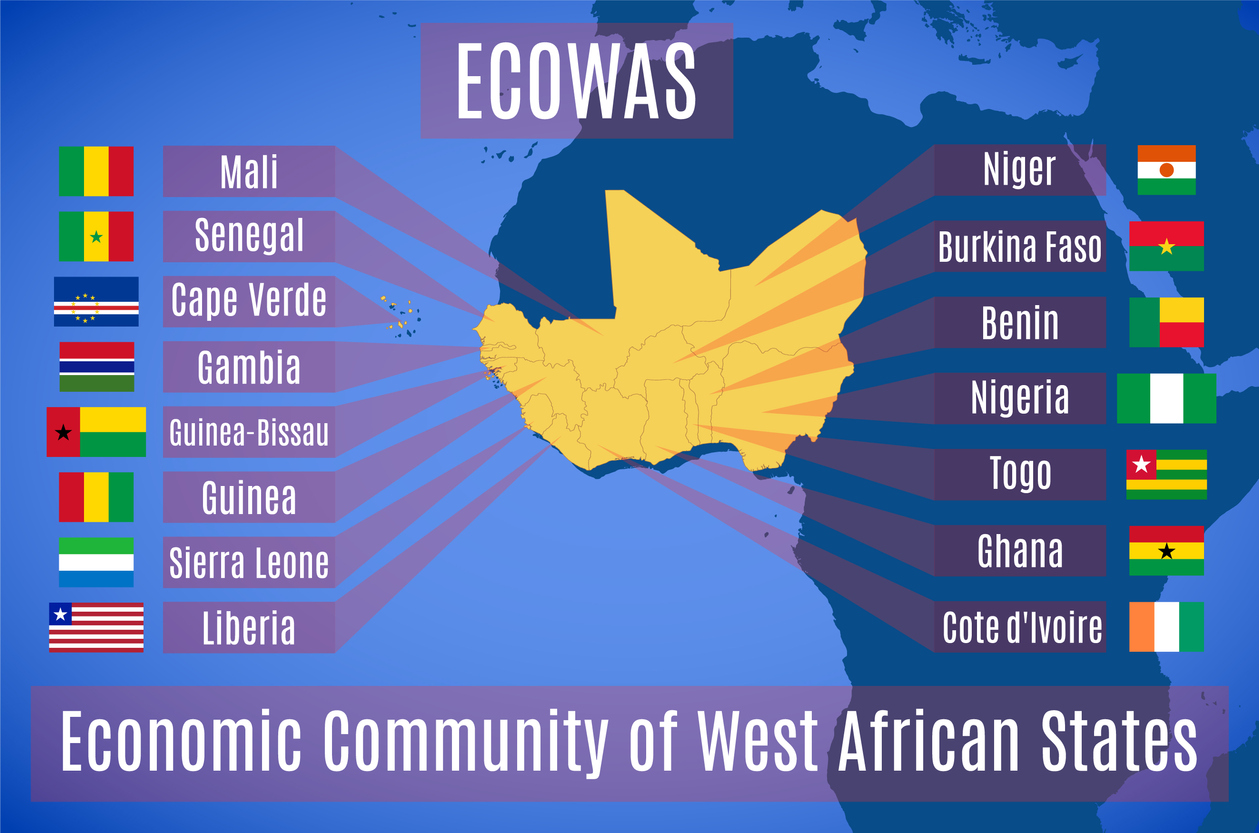
The Economic Community of West African States (ECOWAS) is an economic union of 15 countries, located in West Africa. It was established in 1975 with the main objective of promoting economic integration among its member states and accelerating their common economic development to reduce disparity and enhance convergence. As an association of African nations, ECOWAS focuses on collaboration between its members to foster trade, investment, and production in the region. It does so by addressing issues such as agriculture, education, youth employment, security, and infrastructure. To achieve these goals and objectives, ECOWAS has developed a number of programs and projects that target key areas for growth. Read on to learn more about ECOWAS’ programs, projects, and activities to connect Africa with the rest of the world.
ECOWAS’ programs and initiatives to connect Africa with the world
ECOWAS has a number of programs and initiatives to connect Africa with the rest of the world. These include the Economic Integration Program, Investment Promotion Program, Infrastructure Development Program, Skills Development and Employment Program, Culture and Information program. The Economic Integration Program aims to boost intra-ECOWAS trade, promote common agricultural and trade policies, and achieve a balanced development in the member states. This program is expected to reduce the disparity in the region, increase production and investment, and create more employment opportunities to boost the welfare of the people. The Investment Promotion Program aims to attract increased private investment to ECOWAS countries. It also aims to improve the business climate and facilitate the transfer of technology to increase productivity and create jobs in the region.
Infrastructure Development Program
The Infrastructure Development Program seeks to address the existing infrastructure deficit in the ECOWAS region by improving and expanding the transportation, energy, and water sectors. It also aims to enhance intra- and inter-connectivity between member states, increase their competitiveness, and promote economic growth. The program has produced positive results. For example, the implementation of the Energy Programme of Action (EPoA) resulted in the construction of nine hydropower stations, four new thermal power stations, and the rehabilitation of several others. The programme has also resulted in the construction and rehabilitation of more than 3,700 kilometres of transmission lines and the construction of more than 1,100 kilometres of distribution lines.
Investment Promotion Programme
The Investment Promotion Programme aims to create an environment conducive to increased foreign direct investment in the ECOWAS region. The programme also provides assistance to investors in member states to promote investment opportunities and identify areas of investment. The programme has supported the creation of employment for thousands of people in ECOWAS. The programme has also contributed to economic growth in member states by facilitating direct foreign investment and creating jobs.
Skills Development and Employment Program
The Skills Development and Employment Program aims to address the skills gap in the ECOWAS region and create employment opportunities for youths and women. The program also aims to reduce the unemployment rate in the region by increasing the number of people employed. The programme has provided skills training to thousands of youth and women in the region. It has also helped the people acquire new skills and find employment opportunities in the market.
Culture and Information Programme
The Culture and Information Programme aims to promote and preserve the cultural heritage of the ECOWAS member states. It also aims to develop and promote the arts, crafts, and folklores of the region. The programme also aims to promote information and communication technologies (ICT) and the use of information and communication technologies to promote the culture, arts, and heritage of the region.
Conclusion
The Economic Community of West African States (ECOWAS) is an economic union of 15 countries, located in West Africa. It was established in 1975 with the main objective of promoting economic integration among its member states and accelerating their common economic development to reduce disparity and enhance convergence. As an association of African nations, ECOWAS focuses on collaboration between its members to foster trade, investment, and production in the region. It does so by addressing issues such as agriculture, education, youth employment, security, and infrastructure. To achieve these goals and objectives, ECOWAS has developed a number of programs and projects that target key areas for growth.





LEAVE A COMMENT
You must be logged in to post a comment.