

Buying and Exporting Malt Extract from Kenya: A Foreigner’s Guide to the Local Market

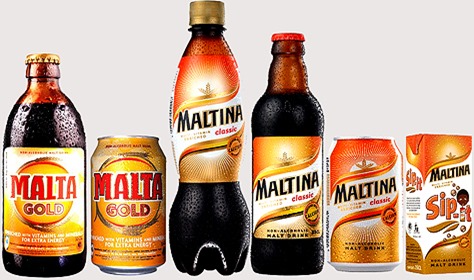
Buying and Exporting Malt Extract from Kenya: A Foreigner’s Guide to the Local Market
When most people think of Kenyan exports, images of bananas, coffee, or even rhinos probably come to mind. Fewer think of unprocessed barley extract as a major export from the country. And almost no one thinks of buying and exporting it as an investment opportunity. Yet for those in the know, not only does malt extract from Kenya represent a lucrative opportunity for foreigners but also a solid way for locals to invest their savings without putting them at risk. Let’s take a closer look at why and how you can start investing in locally-grown malt extract from Kenya today!
Why Investing in Malt Extract Is a Solid Investment Strategy
If you’re thinking about diversifying your investment portfolio or increasing your savings, malt extract from Kenya might be the perfect fit. Malt extract is a syrup extracted from barley that has been “malted”, that is, germinated to convert the starch in the barley into simple sugars such as glucose and sucrose. Like refined sugar, syrups are used in many industries. Some of the more notable ones include: Canned and frozen foods: Syrups are a major component of packaged food products and are used to enhance texture and flavour. Beverages: Syrups are added to beverages of many kinds for sweetness, flavour, and preservation. Confectionery: Syrups are used as the basis of many candies, such as caramel and toffee. Health and beauty products: Syrups are used in cough syrups, cough drops, syrups used in cough and cold medicines, and toothpaste.
The Basics: What is Malted Barley?
Like unmalted barley, malted barley is a cereal grain. It is, however, a different type of barley that has been partially germinated to produce enzymes that break down the starch in the grain into simple sugars. Malting is therefore a key step in the production of barley-based foodstuffs like malt extract, beer, and whisky. Malted barley is used as an ingredient in many foods and beverages. It is commonly used in baking, brewing beer, and making whisky and other distilled beverages.
Exporting Malt Extract from Kenya: The How-To
If you’re thinking about buying and exporting malt extract from Kenya, you might want to keep in mind that buying malted barley (or malt extract) is different from buying unprocessed raw barley. That’s because malted barley is a “completed good” and can be exported without any restrictions. You can buy the malted barley directly from the farmers or maltsters (also known as “malthouses”) and sell it to your buyer. The malted barley can then be converted to malt extract and then exported to your buyer.
The Dark Side of Investing in Kenyan Malt Extract
New investors in Kenyan malt extract might want to consider the potential pitfalls of the investment before jumping in head first. While the outlook for malt extract is admittedly rosy, there are some caveats worth bearing in mind. First, while you can buy unprocessed malted barley directly from the farmers or maltsters and then sell the extracted malt extract, you cannot do the same with unprocessed raw barley. That’s because unprocessed raw barley is a “commodity” and is regulated by the National Cereals and Produce Board (NCPB). As a result, you must either buy raw barley that has already been processed and packaged or set up your own processing plant to process raw barley and then sell the processed product. Doing so, however, is not easy.
Final Words: Should You Jump In?
If you’ve read this far, you’re probably itching to get your hands on some malt extract from Kenya. But first, let’s discuss a few things you should know before taking the plunge. First, know that malt extract from Kenya is only available for export between October and March. That’s because barley is planted in Kenya between April and August. Second, know that you can buy unprocessed malted barley directly from the farmers or maltsters and then extract the malt extract and sell it. You cannot, however, do the same with unprocessed raw barley. Third, malt extract from Kenya is a regulated product, so you have to have a license to buy and export it. If you don’t, you can apply for a purchasing license from the NCPB. If you’re still interested in buying and exporting malt extract from Kenya, now is the time to jump in!




LEAVE A COMMENT
You must be logged in to post a comment.