
Understanding Freight Forwarding in Nigeria
Talk to us about this service
Trade, import, logistics, sourcing — whatever you're planning, the fastest way to a quote is a WhatsApp message. Our team replies during Lagos business hours.
WhatsApp usYour message tells us which page you came from
Understanding Freight Forwarding in Nigeria
Nigeria is a country located in West Africa. It is the most populous country in Africa, with over 200 million people. Nigeria is also the largest economy in Africa, with a GDP of over $400 billion. The country has a lot of potential for growth, but it faces many challenges. One of these challenges is freight forwarding. Freight forwarding is the process of transporting goods from one place to another. In Nigeria, freight forwarding is a complex and often difficult process. This is because the country does not have a well-developed infrastructure, and there are many bureaucratic procedures that must be followed. As a result, freight forwarding can be a time-consuming and expensive process. In this article, we’ll give you an overview of freight forwarding in Nigeria. We’ll also provide some tips on how to make the process easier and more efficient.
What is freight forwarding?
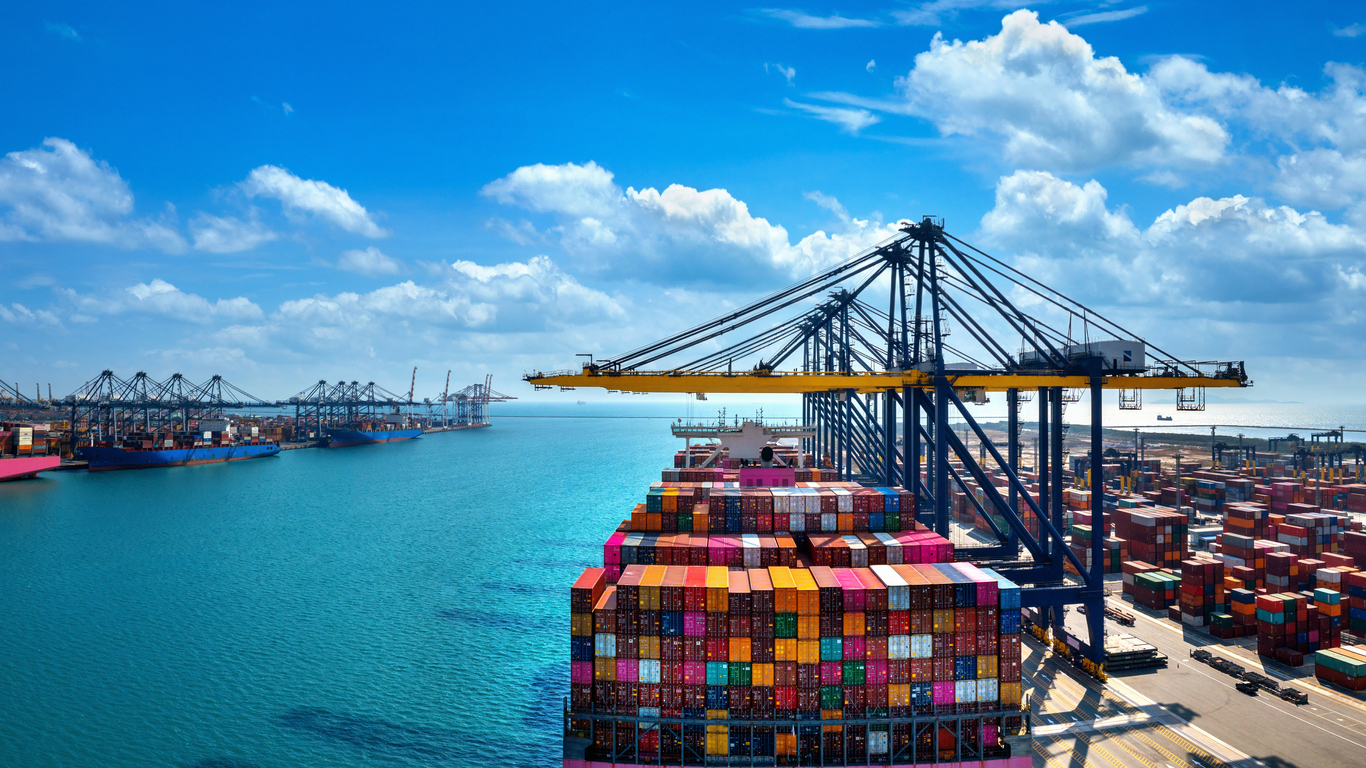
Freight forwarding is the process of transporting goods from one place to another. It can also be referred to as logistics, which is the use of systematic management of the flow of goods from the source to the final destination. Freight forwarding is used in many different industries and settings. For example, a company that manufactures electronics may hire a freight forwarder to transport the products from the factory to the port where they will be shipped to customers. An importer may hire a freight forwarder to transport goods from the port to a warehouse where the importer can take possession of the goods and then transport them to the final destination. A retailer may hire a freight forwarder to transport goods from the manufacturer’s warehouse to the retailer’s warehouse where they will be stocked on the shelves.
The challenges of freight forwarding in Nigeria
Freight forwarding in Nigeria is a challenging process, due to the country’s inadequate infrastructure, bureaucratic procedures, and security issues. The country’s inadequate infrastructure can create serious problems for the freight forwarding process. For example, roads in the country are often underdeveloped and badly maintained. This can cause delays and make freight forwarding more difficult. In some cases, the poor road conditions may make forwarding the goods impossible. Airports in Nigeria are often located far from the country’s commercial centers, which can make it time-consuming for freight forwarders to complete their tasks.
Tips for making freight forwarding easier
There are a few things you can do to make freight forwarding in Nigeria easier. First, you should choose a freight forwarder that has experience with your industry. A freight forwarder that has experience with your industry will understand the challenges you face, and they will know how to overcome them. When choosing a freight forwarder, you’ll also want to find one that has a good reputation. This will make it easier to find a reputable carrier, which is essential to the success of your project. Freight forwarders will often charge different rates, depending on the type of forwarding service you need. You can save money on freight forwarding by choosing the least expensive option. You can do this by choosing a less expensive carrier, or by choosing the simplest type of delivery service.
Conclusion
Freight forwarding is the process of transporting goods from one place to another. In Nigeria, the process can be challenging because of the country’s inadequate infrastructure and bureaucratic procedures. You can make freight forwarding easier by choosing a freight forwarder that has experience with your industry and is reputable.

LEAVE A COMMENT
You must be logged in to post a comment.