
A Commercial Guide to Urea Fertilizer Export in Nigeria


Urea fertilizer export in Nigeria has become an increasingly important segment within the country’s non-oil export economy. With rising global demand for agricultural inputs and Nigeria’s expanding production capacity, exporters are well-positioned to supply both regional and international markets. However, success in this sector requires a clear understanding of production, compliance, logistics, and buyer expectations.
This guide outlines the key considerations for businesses looking to participate in urea fertilizer exports from Nigeria, along with practical strategies to navigate challenges efficiently.
Understanding the Urea Fertilizer Export in Nigeria Market
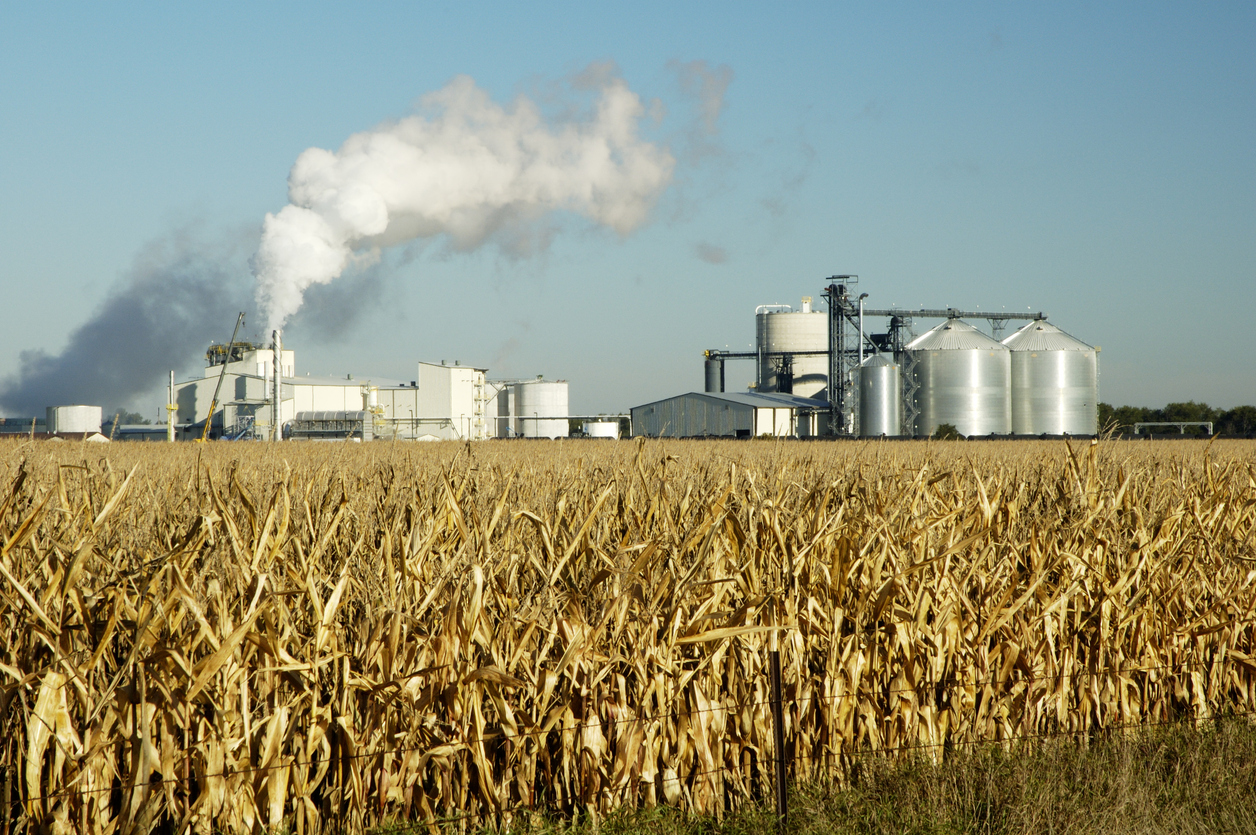
Nigeria is one of Africa’s largest producers of urea fertilizer, supported by significant investments in petrochemical infrastructure. The availability of natural gas—a primary feedstock for urea production—has enabled large-scale manufacturing, making Nigeria a competitive exporter.
Key export destinations include:
-
West and Central Africa (Ghana, Côte d’Ivoire, Senegal)
-
Southern Africa
-
Latin America and parts of Asia
Demand is driven by increasing agricultural activity and government-backed food security initiatives across emerging markets. Exporters must align with seasonal demand cycles and maintain consistent supply quality to remain competitive.
Regulatory Requirements for Urea Fertilizer Export in Nigeria
Compliance is a critical aspect of exporting urea fertilizer. Exporters must adhere to Nigerian regulations as well as destination country requirements.
Key requirements include:
-
Registration with the Nigerian Export Promotion Council (NEPC)
-
Export documentation (commercial invoice, packing list, certificate of origin)
-
Quality certification and product specification compliance
-
Adherence to international shipping and hazardous material handling standards
Failure to meet these requirements can result in shipment delays, penalties, or rejection at destination ports. Working with experienced export partners can help ensure all documentation and compliance processes are handled correctly.
Supply Chain and Logistics Considerations
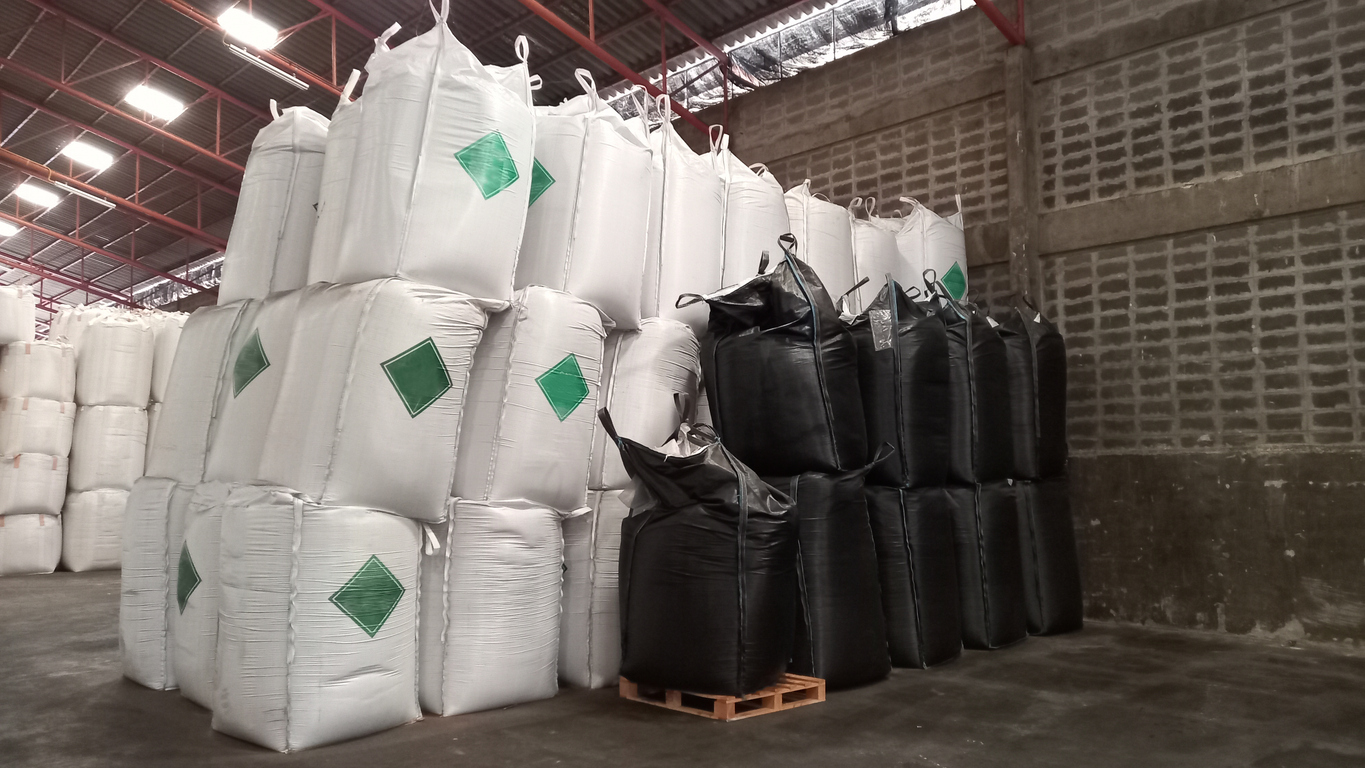
Efficient logistics play a central role in urea fertilizer export in Nigeria. Urea is typically transported in bulk or bagged form, requiring careful handling to prevent contamination or moisture exposure.
Important logistics factors include:
-
Access to reliable warehousing near production or port facilities
-
Proper packaging (e.g., laminated bags for moisture resistance)
-
Port congestion and shipping timelines
-
Freight cost optimisation for bulk shipments
Exporters often face challenges such as port delays, inconsistent transport infrastructure, and fluctuating freight rates. These can impact delivery schedules and overall profitability.
Partnering with an experienced logistics provider can help mitigate these risks by coordinating transport, storage, and shipping efficiently.
Market Entry and Buyer Relationships
Establishing strong buyer relationships is essential for long-term success in urea fertilizer export. Buyers typically prioritise:
-
Consistent product quality
-
Competitive pricing
-
Reliable delivery timelines
-
Transparent communication
Exporters should also conduct due diligence on buyers to minimise risks related to payment defaults or contract disputes.
Developing structured contracts, including clear Incoterms and payment terms (such as letters of credit), helps protect both parties and ensures smoother transactions.
Challenges in Urea Fertilizer Export in Nigeria
Despite strong opportunities, exporters face several operational challenges:
-
Infrastructure limitations: Road and port inefficiencies can delay shipments
-
Regulatory complexity: Navigating export documentation and compliance can be time-consuming
-
Market volatility: Global fertilizer prices fluctuate based on supply-demand dynamics
-
Quality control: Maintaining consistent standards across batches is critical
Addressing these challenges requires a coordinated approach across sourcing, compliance, and logistics.
How Wigmore Trading Supports Exporters
Navigating urea fertilizer export in Nigeria can be complex, particularly for businesses entering international markets for the first time. This is where structured support becomes valuable.
Wigmore Trading assists businesses by:
-
Facilitating sourcing from reliable producers
-
Managing export documentation and compliance processes
-
Coordinating logistics, including warehousing and shipping
-
Supporting market access through established trade networks
By integrating supply chain management with export expertise, businesses can reduce operational risks and improve efficiency across the export process.
Conclusion
Urea fertilizer export in Nigeria presents a strong commercial opportunity driven by growing global agricultural demand and increasing local production capacity. However, success depends on careful planning, regulatory compliance, efficient logistics, and strong buyer relationships.
Businesses that invest in structured export processes and reliable partnerships are better positioned to scale sustainably in this competitive market.
Wigmore Trading can help. Contact Wigmore Trading today to streamline your sourcing and export operations.




Comments are closed.