
A Journey Through Nigeria’s Favourite Snack: Exploring the Popularity of Garri
Talk to us about this service
Trade, import, logistics, sourcing — whatever you're planning, the fastest way to a quote is a WhatsApp message. Our team replies during Lagos business hours.
WhatsApp usYour message tells us which page you came from
A Journey Through Nigeria’s Favourite Snack: Exploring the Popularity of Garri
Garri, a staple in Nigerian cuisine, holds a special place in the hearts and diets of many Nigerians. This versatile product made from cassava roots is enjoyed across the country in various forms and has a deep cultural significance. Let’s explore the journey of Garri from production to the dining table and understand why it remains a beloved snack in Nigeria. For high-quality Garri and other grains, visit Wigmore Wholesale.
The Origins and Production of Garri
Overview: Garri is derived from cassava, a root vegetable native to South America but widely cultivated in Nigeria. The process of making Garri involves peeling, grating, fermenting, pressing, and roasting the cassava.
Production Process:
- Peeling and Grating: The cassava roots are peeled and grated into a fine pulp.
- Fermentation: The grated cassava is left to ferment for 2-3 days to reduce cyanide content and improve flavor.
- Pressing: The fermented pulp is then pressed to remove excess water.
- Roasting: Finally, the pulp is roasted in a large frying pan to produce the dry, crispy granules known as Garri.
Sources:
Varieties of Garri
Garri comes in different varieties, each with unique characteristics and preferred uses:
- White Garri:
- Overview: Made from fermented cassava without palm oil, resulting in a white or cream-colored product.
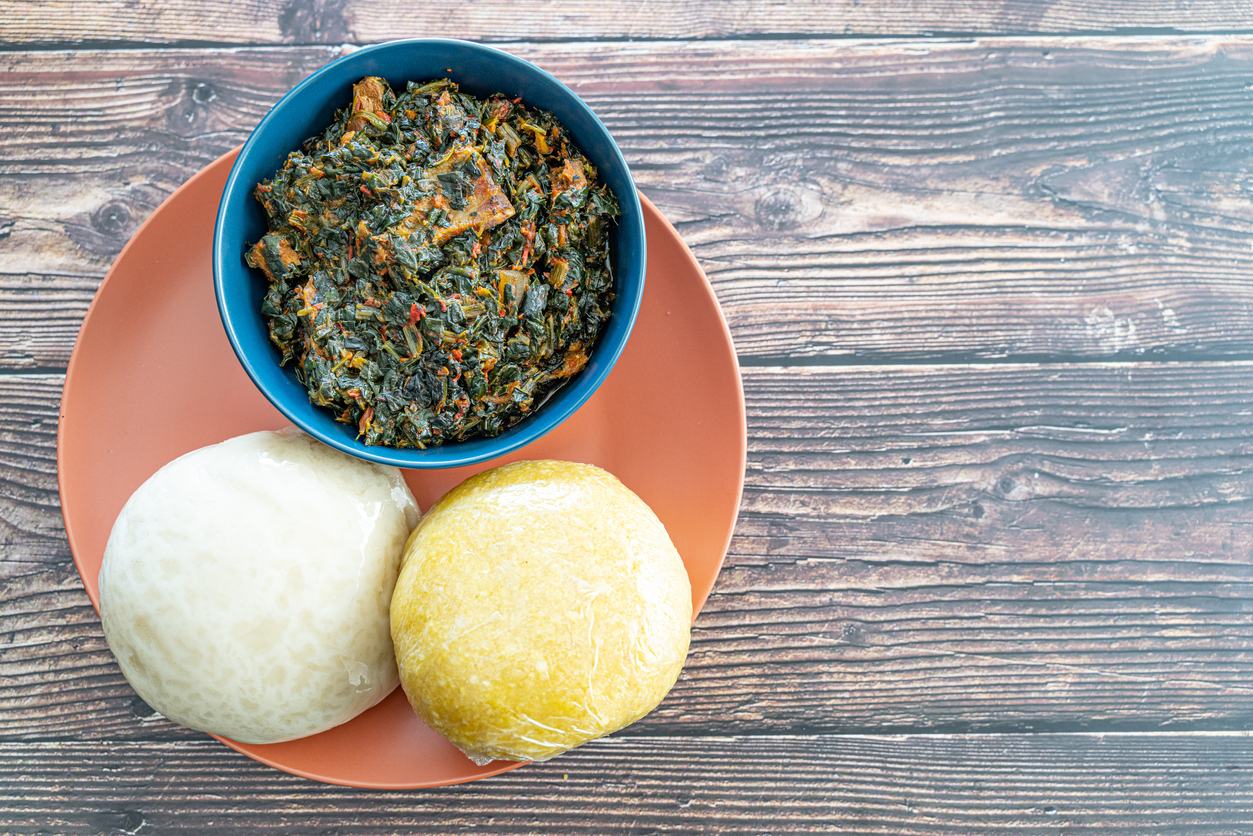
- Uses: Commonly consumed as Eba (a dough made by mixing Garri with hot water) or soaked in cold water with sugar and groundnuts.
- Yellow Garri:
- Overview: Made by adding palm oil during the roasting process, giving it a yellow hue.
- Uses: Often used in making Eba and is favored for its rich taste and added nutritional benefits from the palm oil.
- Ijebu Garri:
- Overview: Known for its fine texture and sour taste, produced predominantly by the Ijebu people of Nigeria.
- Uses: Popular for soaking in cold water with sugar, milk, and groundnuts.
Sources:
The Popularity of Garri
Cultural Significance:
- Dietary Staple: Garri is a fundamental part of Nigerian diets, especially in rural areas where it serves as an affordable and accessible source of carbohydrates.
- Versatility: Its ability to be consumed in various forms – soaked, as Eba, or even used in baking – adds to its popularity.
- Economic Importance: The production and sale of Garri provide livelihoods for many Nigerians, from farmers to traders.
Nutritional Value:
- Carbohydrates: A rich source of energy due to its high carbohydrate content.
- Fiber: Contains dietary fiber that aids digestion.
- Vitamins and Minerals: When fortified with palm oil (as in Yellow Garri), it provides additional vitamins such as Vitamin A.
Sources:
Where to Buy High-Quality Garri
For those looking to purchase high-quality Garri in bulk, Wigmore Wholesale offers a variety of grains, including premium Garri. They provide reliable service and competitive pricing, making it a go-to source for businesses and individuals alike.
Why Choose Wigmore Wholesale?:
- Quality Assurance: Only the best grains are selected and processed to ensure top quality.
- Competitive Prices: Affordable prices for bulk purchases.
- Reliable Delivery: Efficient delivery services across Nigeria.
Conclusion
Garri’s journey from cassava roots to a beloved snack illustrates its importance in Nigerian cuisine and culture. Whether you prefer it white, yellow, or Ijebu style, Garri remains a versatile and nutritious staple. For high-quality Garri and other grains, visit Wigmore Wholesale.

LEAVE A COMMENT
You must be logged in to post a comment.