
Advertising Weapons in Nigeria: Laws, Restrictions, and Compliance Guide
Talk to us about this service
Trade, import, logistics, sourcing — whatever you're planning, the fastest way to a quote is a WhatsApp message. Our team replies during Lagos business hours.
WhatsApp usYour message tells us which page you came from
Understanding the legal framework around advertising weapons in Nigeria is essential for businesses involved in importation, distribution, security services, or regulated goods. Whether you’re dealing in licensed security equipment or exploring adjacent markets, staying compliant with Nigerian laws protects your business from severe penalties and reputational risk.
This guide breaks down the key regulations, restrictions, and best practices—and shows how Wigmore Trading can support compliant sourcing and logistics.
Overview of Weapons Regulation in Nigeria
Nigeria maintains strict control over weapons through legislation such as the Firearms Act and oversight by security agencies. The law regulates:
- Possession and licensing of firearms
- Importation and distribution of weapons
- Manufacturing and sale of arms
- Public communication, including advertising
Advertising weapons is not treated like ordinary product marketing. It falls under national security concerns, meaning messaging, channels, and audience targeting are all highly restricted.
Is Advertising Weapons Legal in Nigeria?
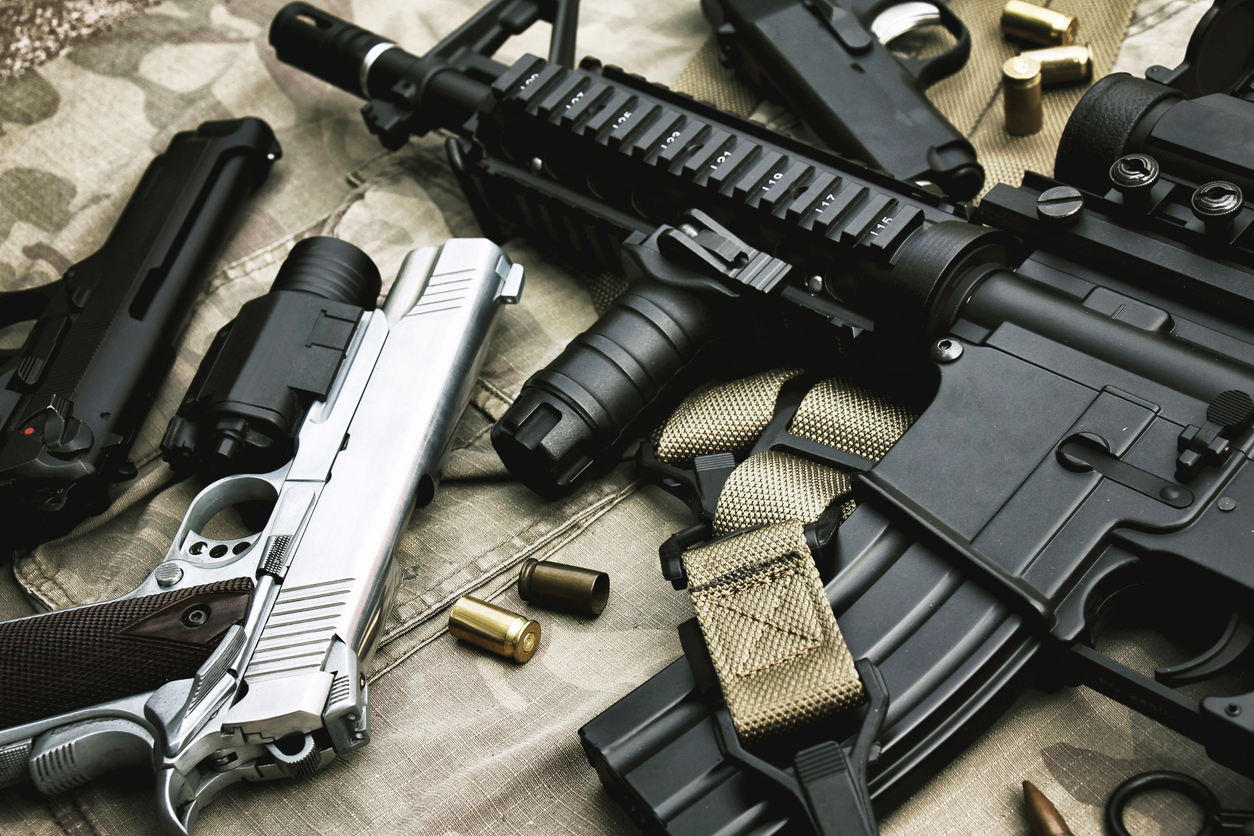
In most cases, public advertising of weapons is prohibited or tightly restricted. This includes:
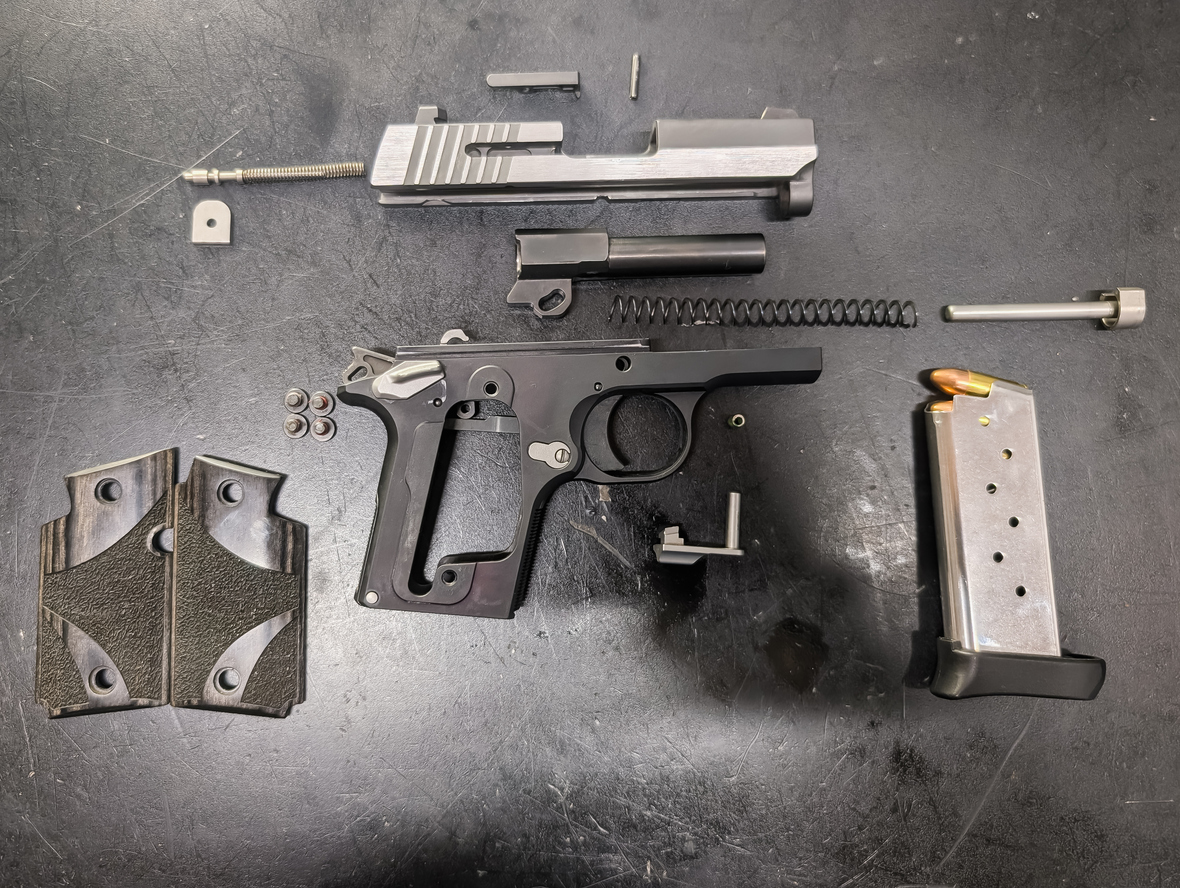
- Firearms (handguns, rifles, shotguns)
- Ammunition
- Military-grade equipment
- Certain tactical gear that could be misused
Why the Restriction?
The Nigerian government aims to:
- Prevent misuse and illegal access
- Reduce security threats
- Control the flow of arms within the country
Even licensed dealers are typically not allowed to promote weapons through mass media, digital ads, or open marketplaces.
What Can Be Advertised?
There is a narrow allowance for regulated and non-lethal security equipment, such as:
- CCTV systems
- Access control systems
- Surveillance technology
- Protective gear (helmets, vests—non-military grade)
However, even these must be marketed responsibly, without implying offensive or combat use.
Compliance Requirements for Businesses
If your business operates in security, logistics, or regulated imports, here’s what compliance looks like:
1. Licensing and Approval
You must obtain proper licensing from relevant authorities before engaging in any trade involving controlled items.
2. Controlled Communication
Avoid:
- Online ads for weapons
- Social media promotions
- Public billboards or listings
Instead, communication is typically limited to:
- Direct B2B channels
- Verified procurement processes
- Government or institutional contracts
3. Import and Documentation
Strict documentation is required for importing controlled goods, including:
- End-user certificates
- Import permits
- Customs clearance approvals
Risks of Non-Compliance
Failing to follow Nigerian advertising and weapons laws can result in:
- Heavy fines
- Revocation of business licenses
- Criminal prosecution
- Seizure of goods
For businesses in import/export and wholesale distribution, this can severely disrupt operations.
Practical Solutions for Businesses
Navigating these regulations can be complex, especially for companies new to Nigerian trade. Here’s how to manage it effectively:
Work with Experienced Trade Partners
Partnering with experts ensures compliance across sourcing, documentation, and logistics.
Focus on Approved Product Categories
Shift marketing efforts toward legal, high-demand alternatives like surveillance systems and infrastructure security products.
Use Controlled Sales Channels
Engage in direct procurement networks instead of public advertising.
How Wigmore Trading Can Help
Wigmore Trading supports businesses operating in regulated industries by providing:
- Compliant sourcing solutions
- Import/export documentation support
- Customs clearance expertise
- Secure logistics and distribution
Whether you’re importing security equipment or navigating complex regulatory frameworks, Wigmore Trading can help streamline the process while keeping your operations fully compliant.
Contact Wigmore Trading today to streamline your sourcing and ensure your business aligns with Nigerian laws.
Final Thoughts
Advertising weapons in Nigeria is not just a marketing issue—it’s a legal and security matter. Businesses must approach this space with caution, clarity, and full regulatory awareness.
By focusing on compliance, choosing the right product categories, and working with experienced partners, companies can operate successfully without risking legal consequences.
No Comments Yet.




Comments are closed.