
Unlocking Trade Potential with Alternative Banking Solutions in Sanctioned Economies

Talk to us about this service
Trade, import, logistics, sourcing — whatever you're planning, the fastest way to a quote is a WhatsApp message. Our team replies during Lagos business hours.
WhatsApp usYour message tells us which page you came from
Operating in sanctioned economies presents significant financial and logistical challenges for businesses engaged in international trade. Restricted access to traditional banking systems can disrupt payments, delay shipments, and increase operational risks. However, alternative banking solutions for sanctioned economies are emerging as practical pathways to maintain trade flows while ensuring compliance with international regulations.
For importers, exporters, and distributors working across Africa and other restricted markets, understanding these alternatives is essential for maintaining business continuity and growth.
Understanding the Financial Barriers in Sanctioned Markets
Sanctions often limit or completely block access to global financial systems such as SWIFT, correspondent banking relationships, and foreign currency settlements. This creates several challenges:
- Delayed or blocked cross-border payments
- Increased transaction costs due to intermediaries
- Currency volatility and limited access to foreign exchange
- Compliance risks and regulatory scrutiny
Businesses operating in these environments must adopt secure and compliant alternatives to traditional banking channels.
Alternative Banking Solutions for Sanctioned Economies
1. Trade Finance Intermediaries
Trade finance intermediaries play a crucial role in bridging the gap between buyers and sellers when direct banking channels are restricted. These entities facilitate:
- Letters of credit through alternative jurisdictions
- Structured payment arrangements
- Risk mitigation for both parties
By working with experienced intermediaries, businesses can maintain trust and ensure smoother transactions.
2. Regional and Non-Traditional Banking Networks
Some regional banks and financial institutions operate outside heavily restricted systems, offering limited but viable services. These banks often:
- Support local currency settlements
- Facilitate intra-regional trade
- Provide tailored solutions for sanctioned environments
This is particularly relevant in African trade corridors where regional integration continues to grow.
3. Fintech and Digital Payment Platforms
Fintech solutions are increasingly being used to bypass traditional bottlenecks. These include:
- Digital wallets for cross-border transactions
- Blockchain-based payment systems
- Peer-to-peer transfer networks
While these solutions can improve speed and accessibility, businesses must ensure they remain compliant with international regulations and local laws.
4. Barter and Countertrade Agreements
In highly restricted environments, barter trade and countertrade arrangements can provide an effective workaround. These involve:
- Exchanging goods or services instead of cash payments
- Structuring deals based on equivalent value
- Reducing reliance on foreign currency
This approach is particularly useful in commodity-driven economies where goods can be easily valued and exchanged.
Managing Compliance and Risk
While alternative banking solutions offer flexibility, they also introduce compliance risks. Businesses must:
- Conduct thorough due diligence on partners and intermediaries
- Ensure adherence to international sanctions laws
- Maintain transparent documentation for all transactions
Failure to comply can result in penalties, reputational damage, and further restrictions.
The Role of Logistics and Supply Chain Coordination
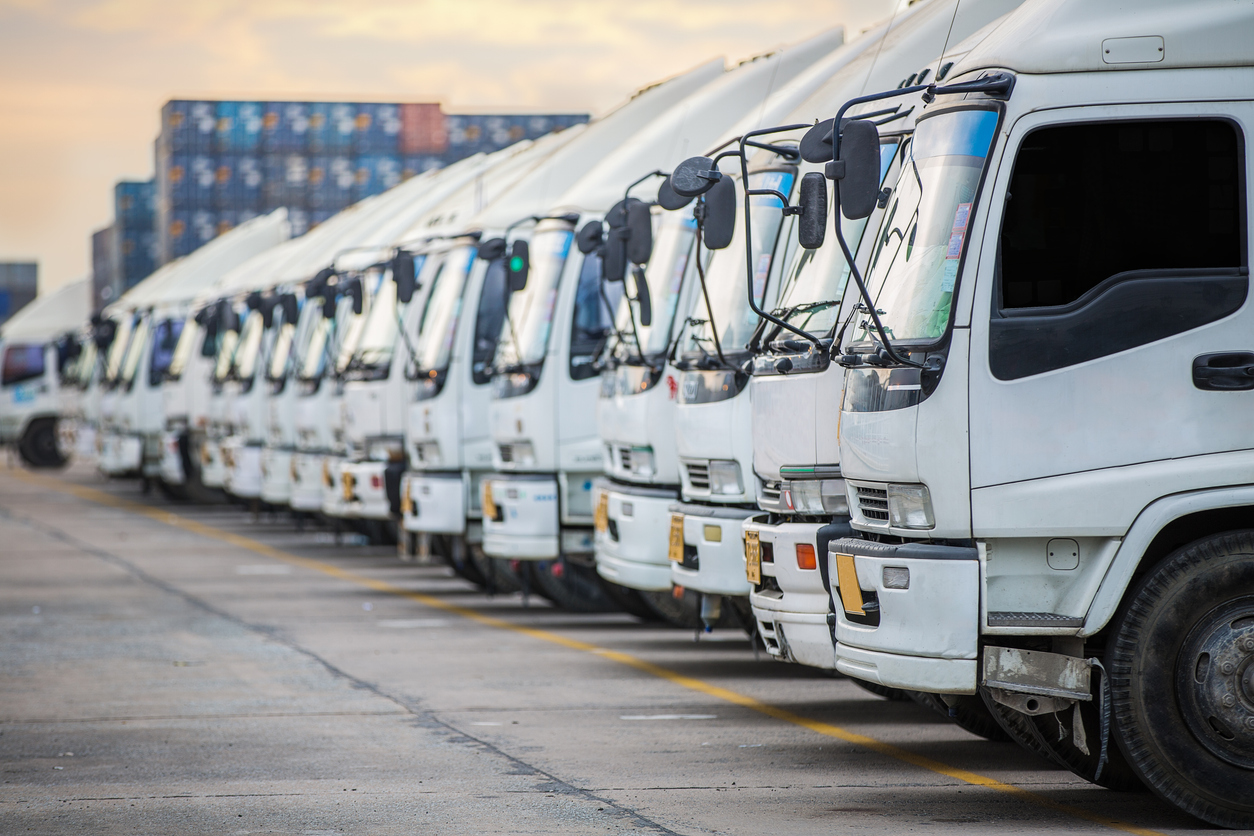
Financial constraints often impact logistics operations, including freight forwarding, customs clearance, and inventory management. Efficient coordination is essential to avoid delays and additional costs.
This is where integrated service providers like Wigmore Trading can support businesses by:
- Coordinating sourcing and supplier verification
- Managing end-to-end logistics in complex environments
- Ensuring proper documentation and compliance with trade regulations
- Facilitating communication between all parties involved in the supply chain
By aligning financial and logistical strategies, businesses can reduce disruption and improve operational efficiency.
Practical Strategies for Businesses
To successfully navigate sanctioned markets, companies should adopt a proactive approach:
- Diversify payment methods and banking partners
- Build relationships with trusted intermediaries
- Leverage regional trade opportunities within Africa
- Invest in compliance expertise and monitoring systems
These strategies not only reduce risk but also create resilience in uncertain operating environments.
Conclusion
Alternative banking solutions for sanctioned economies are no longer optional—they are essential for sustaining trade in restricted markets. From trade finance intermediaries to fintech innovations and barter agreements, businesses have multiple pathways to maintain operations despite financial constraints.
However, success depends on careful planning, strict compliance, and strong supply chain coordination. Companies that adapt quickly and strategically can continue to access opportunities in challenging markets while minimizing risk.
Wigmore Trading can help. Contact Wigmore Trading today to streamline your sourcing and navigate complex trade environments with confidence.
No Comments Yet.




Comments are closed.