
Building a Successful Restaurant Supplier Partnership in Nigeria


Nigeria’s food service industry continues to expand, driven by urbanisation, a growing middle class, and increasing demand for dining experiences. For restaurants, success is not only about menu quality or location—it heavily depends on having a reliable and efficient supply chain. Establishing a strong restaurant supplier partnership in Nigeria is therefore essential for consistent operations, cost control, and long-term growth.
Why Supplier Partnerships Matter in Nigeria’s Restaurant Industry
Restaurants in Nigeria operate in a dynamic and sometimes unpredictable market. Challenges such as fluctuating food prices, inconsistent product availability, and logistics constraints can disrupt operations. A dependable supplier partnership helps mitigate these risks by ensuring:
- Consistent access to quality ingredients
- Stable pricing structures where possible
- Efficient delivery timelines
- Compliance with food safety standards
Rather than relying on multiple fragmented vendors, many successful restaurants are shifting towards structured partnerships with trusted suppliers who understand the local market.
Key Elements of a Strong Restaurant Supplier Partnership in Nigeria
Reliability and Consistency
Suppliers must deliver products on time and in the required quantities. Inconsistent deliveries can lead to menu disruptions and lost revenue. Restaurants should prioritise partners with proven logistics capabilities and inventory management systems.
Quality Assurance
Maintaining food quality is critical for customer satisfaction and brand reputation. Suppliers should adhere to proper storage, handling, and transportation standards, especially for perishable goods such as meat, dairy, and fresh produce.
Transparent Pricing
Price volatility is common in Nigeria due to inflation and supply chain disruptions. A good partnership involves transparent pricing structures and clear communication about cost changes, allowing restaurants to plan effectively.
Compliance and Documentation
Suppliers should comply with local regulatory requirements, including food safety certifications and import documentation where applicable. This is particularly important for restaurants sourcing imported goods or specialty ingredients.
Common Challenges in Supplier Relationships
Despite the importance of supplier partnerships, many restaurants face recurring issues:
- Supply inconsistencies: Irregular stock availability due to poor planning or logistics gaps
- Quality variations: Differences in product standards across deliveries
- Limited scalability: Suppliers unable to meet growing demand as restaurants expand
- Logistics inefficiencies: Delays caused by transportation or infrastructure challenges
Addressing these issues requires a more structured and professional approach to supplier selection and management.
How to Choose the Right Supplier Partner
Selecting the right partner for a restaurant supplier partnership in Nigeria involves more than comparing prices. Restaurants should evaluate suppliers based on:
- Track record and industry experience
- Distribution network and delivery capabilities
- Product range and sourcing channels
- Ability to scale with business growth
- Customer support and communication responsiveness
Conducting due diligence and starting with trial orders can help assess reliability before committing to long-term agreements.
The Role of Integrated Supply Chain Support
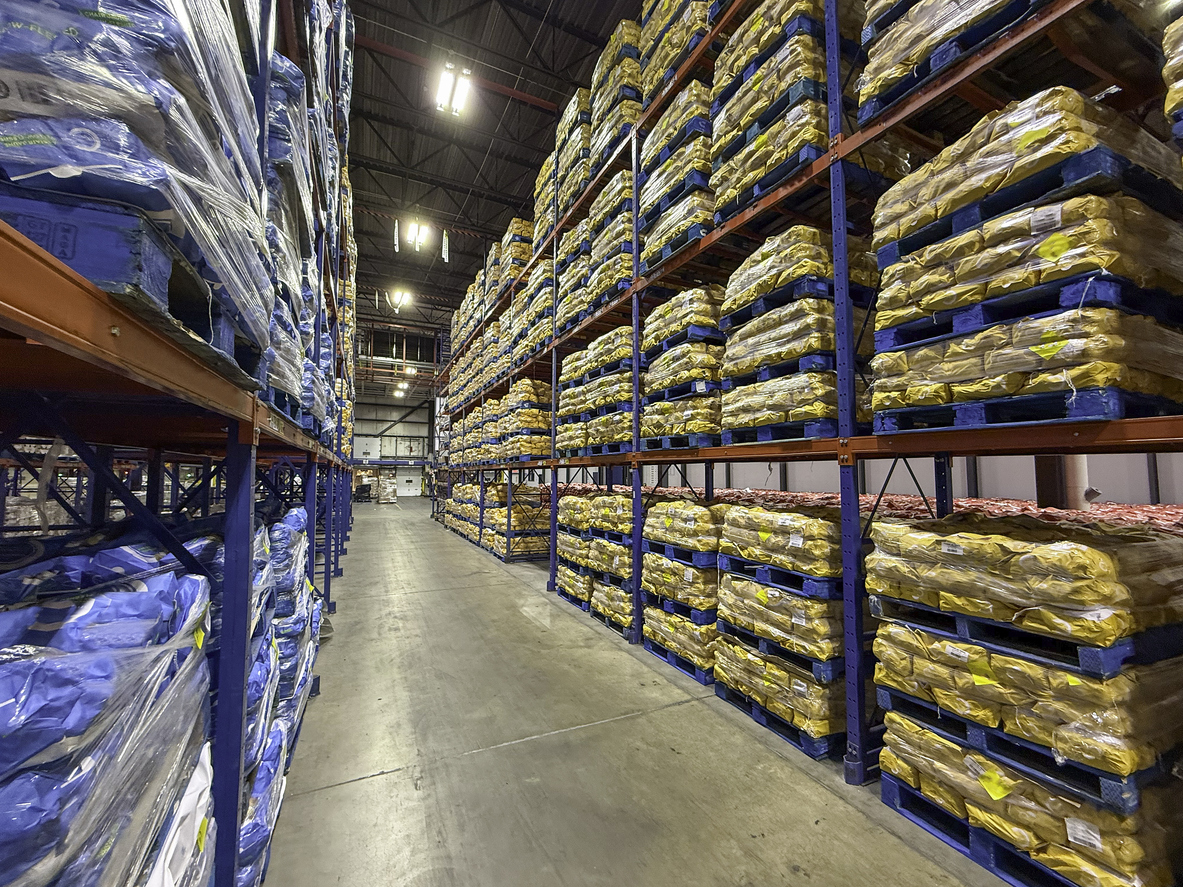
Many restaurants benefit from working with suppliers that offer end-to-end services, including sourcing, warehousing, and distribution. This integrated approach reduces complexity and improves efficiency.
For example, a partner that can manage both local procurement and international sourcing helps restaurants access a wider range of products without dealing with multiple intermediaries. This is particularly valuable for establishments offering diverse or premium menus.
How Wigmore Trading Supports Restaurant Supply Chains
Wigmore Trading provides structured supply chain solutions tailored to the needs of restaurants and hospitality businesses in Nigeria. By combining sourcing expertise with logistics and distribution capabilities, the company helps address common challenges in supplier partnerships.
Key areas of support include:
- Product sourcing: Access to both local and international food products
- Logistics management: Coordinated transportation and delivery systems
- Bulk purchasing: Cost efficiencies through wholesale distribution
- Compliance support: Assistance with import documentation and regulatory requirements
This integrated model enables restaurants to streamline procurement processes while maintaining consistent quality and availability.
Building Long-Term Value from Supplier Partnerships
A successful supplier relationship is not transactional—it is strategic. Restaurants should aim to build long-term partnerships based on trust, communication, and mutual growth. This includes:
- Regular performance reviews with suppliers
- Clear service level agreements (SLAs)
- Collaborative planning for peak demand periods
- Open communication regarding challenges and expectations
Over time, strong partnerships can lead to better pricing, priority access to scarce products, and improved operational efficiency.
Conclusion
Establishing a reliable restaurant supplier partnership in Nigeria is a critical factor in achieving operational stability and business growth. By focusing on reliability, quality, transparency, and scalability, restaurants can build supply chains that support long-term success.
Wigmore Trading can help. Contact Wigmore Trading today to streamline your sourcing.



Comments are closed.