
Building a Profitable Wholesale Food Partnership in Nigeria
Talk to us about this service
Trade, import, logistics, sourcing — whatever you're planning, the fastest way to a quote is a WhatsApp message. Our team replies during Lagos business hours.
WhatsApp usYour message tells us which page you came from
Nigeria’s food market continues to expand due to rapid population growth, urbanisation, and rising demand for fast-moving consumer goods (FMCG). For businesses looking to scale, establishing a reliable wholesale food partnership in Nigeria is not just an opportunity—it is a strategic necessity.
A well-structured partnership allows companies to access consistent supply, reduce operational risks, and improve market reach. However, success depends on understanding the local supply chain, regulatory requirements, and distribution dynamics.
Understanding Nigeria’s Wholesale Food Market
Nigeria’s wholesale food sector is highly fragmented, involving local producers, importers, distributors, and retailers. Key product categories include rice, flour, cooking oil, sugar, beverages, and packaged foods.
Despite strong demand, businesses often face challenges such as:
- Inconsistent supply from local producers
- Import delays and customs bottlenecks
- Poor storage and transportation infrastructure
- Price volatility due to currency fluctuations
These factors make it essential to work with experienced partners who understand both local and international trade processes.
Key Benefits of a Wholesale Food Partnership in Nigeria
1. Reliable Sourcing Channels
Partnering with an established distributor ensures consistent access to high-demand food products. This is especially important for businesses that rely on imported goods or bulk purchasing.
2. Cost Efficiency Through Scale
Wholesale partnerships enable bulk purchasing, reducing per-unit costs and improving margins. This is critical in Nigeria’s competitive FMCG sector.
3. Streamlined Logistics
Efficient logistics can significantly impact profitability. A strong partner helps manage transportation, warehousing, and last-mile delivery.
4. Regulatory Compliance
Nigeria has strict import and food safety regulations. Working with a knowledgeable partner ensures compliance with agencies such as NAFDAC and the Nigeria Customs Service.
Wholesale Food Partnership in Nigeria: Key Considerations
When selecting a partner, businesses should evaluate several critical factors:
Supplier Network
A strong network of local and international suppliers ensures product availability and competitive pricing.
Logistics Capabilities
Efficient warehousing, cold chain management (where necessary), and transportation systems are essential for maintaining product quality.
Market Knowledge
Understanding regional demand patterns across Nigeria’s diverse markets can improve distribution strategies.
Financial Stability
A reliable partner should have the capacity to handle large transactions and maintain consistent supply even during market fluctuations.
Common Challenges and Practical Solutions
Supply Chain Disruptions
Delays in imports or inconsistent local production can disrupt operations.
Solution: Diversify sourcing channels and work with partners who have multiple supplier relationships.
Storage and Spoilage
Poor storage facilities can lead to product losses, especially for perishable goods.
Solution: Invest in proper warehousing or partner with distributors that offer modern storage solutions.
Distribution Inefficiencies
Reaching Nigeria’s vast and sometimes remote markets can be difficult.
Solution: Collaborate with logistics providers that have nationwide distribution networks.
Currency and Pricing Volatility
Exchange rate fluctuations can affect import costs and pricing strategies.
Solution: Use forward planning and bulk purchasing to mitigate risks.
How Wigmore Trading Supports Wholesale Food Partnerships
Navigating Nigeria’s wholesale food market requires expertise across sourcing, logistics, and compliance. Wigmore Trading supports businesses by providing:
- Access to trusted global and local food suppliers
- End-to-end import and export solutions
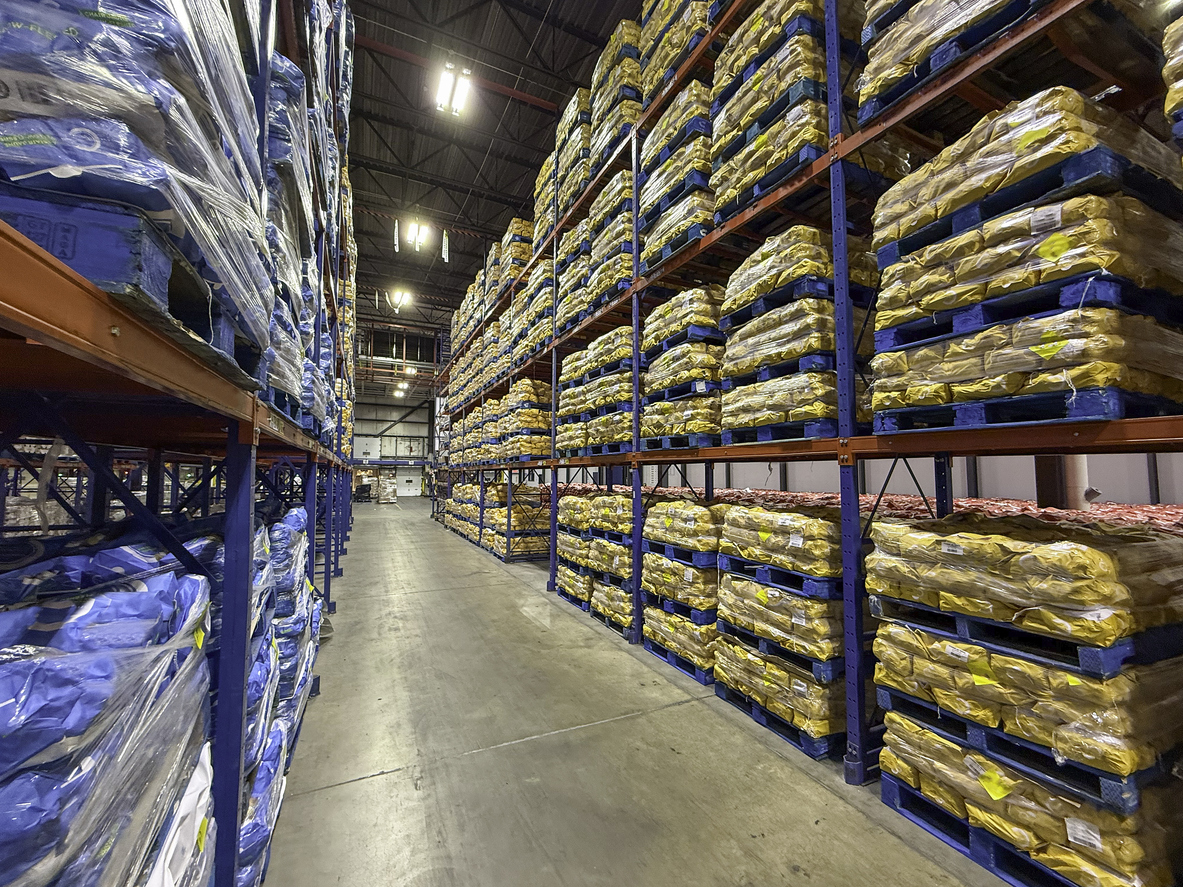
- Efficient warehousing and distribution networks
- Assistance with regulatory compliance and documentation
By leveraging industry experience and established networks, Wigmore Trading helps businesses reduce operational risks and improve supply chain efficiency without unnecessary complexity.
Building a Long-Term Partnership Strategy
A successful wholesale food partnership is not just transactional—it requires long-term planning and collaboration. Businesses should:
- Establish clear agreements on pricing, delivery timelines, and quality standards
- Maintain open communication with partners
- Continuously monitor market trends and adjust strategies
- Invest in technology for inventory and supply chain tracking
Strong partnerships lead to improved reliability, better margins, and sustainable growth.
Conclusion
Establishing a wholesale food partnership in Nigeria offers significant opportunities for businesses looking to scale in one of Africa’s largest markets. However, success depends on selecting the right partners, understanding the supply chain, and addressing common operational challenges.
With the right strategy and support, businesses can build resilient and profitable supply chains that meet growing consumer demand.
Wigmore Trading can help. Contact Wigmore Trading today to streamline your sourcing.






Comments are closed.