
Buy and Export Other Clocks from China with Wigmore Trading

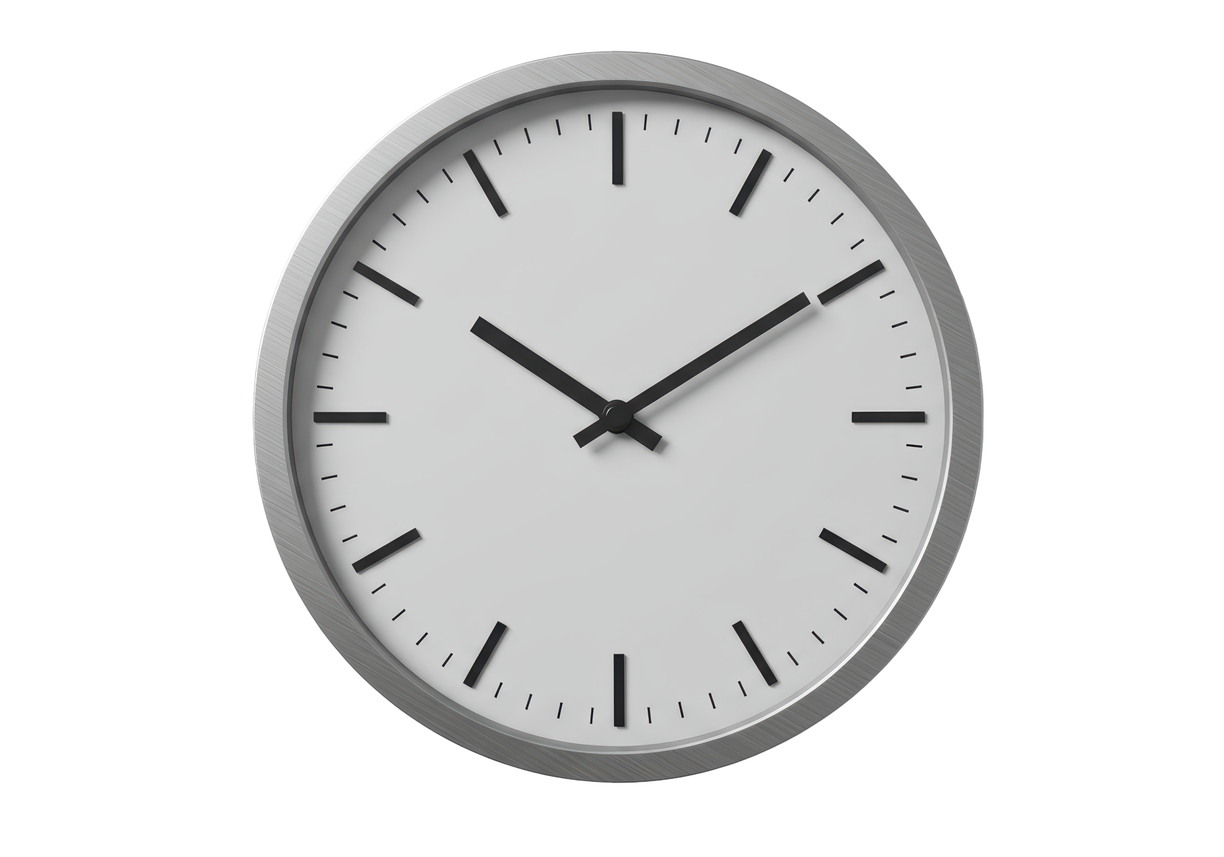
China remains one of the world’s leading manufacturing hubs for clocks, offering a wide range of products from decorative wall clocks to specialised industrial and digital timekeeping devices. For businesses looking to buy and export clocks from China, understanding sourcing, quality control, and logistics is essential to ensure profitability and reliability.
This guide explores how importers, wholesalers, and distributors can effectively source clocks from China while navigating common challenges—and how Wigmore Trading can support the process.
Why Buy and Export Clocks from China?
China dominates global clock manufacturing due to its extensive supplier networks, competitive pricing, and product variety. Buyers can access:
- Decorative clocks for retail and home décor markets
- Digital and LED clocks for commercial use
- Alarm clocks and travel clocks for FMCG distribution
- Industrial or specialised timing devices
For African importers and global distributors, sourcing from China allows access to large volumes at scalable pricing, making it ideal for wholesale distribution.
Understanding the Clock Supply Market in China
When planning to buy and export clocks from China, it’s important to recognise that suppliers range from small factories to large-scale manufacturers. Key sourcing hubs include Guangdong, Zhejiang, and Fujian provinces.
Buyers should evaluate:
- Manufacturing capacity and consistency
- Product certifications (CE, RoHS where applicable)
- Customisation capabilities (branding, packaging, design)
- Minimum order quantities (MOQs)
Working directly with verified suppliers reduces risks such as inconsistent quality or delayed production.
Key Challenges When Exporting Clocks from China
While the opportunities are significant, businesses often face practical challenges when importing clocks:
1. Quality Control Issues
Clock mechanisms and electronics must meet durability standards. Poor-quality components can lead to product returns and reputational damage.
2. Supplier Verification
Not all suppliers meet international compliance or export standards. Identifying reliable partners requires due diligence.
3. Logistics and Shipping Complexity
Clocks—especially fragile or electronic models—require careful packaging and shipping coordination to prevent damage.
4. Customs and Regulatory Compliance
Import regulations vary by country, particularly for electronic clocks. Incorrect documentation can delay shipments.
How to Buy and Export Clocks from China Efficiently
Conduct Thorough Supplier Vetting
Always request product samples and verify factory credentials. Factory audits or third-party inspections can help ensure reliability.
Negotiate Clear Terms
Agree on pricing, production timelines, packaging specifications, and quality standards upfront. Clear contracts reduce misunderstandings.
Implement Quality Assurance Processes
Pre-shipment inspections and production monitoring help ensure consistency, especially for bulk orders.
Plan Logistics Strategically
Choose between air freight for speed or sea freight for cost efficiency. Proper packaging is essential to minimise breakage.
Leveraging Wigmore Trading for Clock Sourcing and Export
For businesses looking to buy and export clocks from China, managing the entire supply chain can be complex. Wigmore Trading provides practical support across each stage of the process.
Supplier Sourcing and Verification
Wigmore Trading helps identify reputable manufacturers, ensuring that suppliers meet quality and compliance standards.
Quality Control and Inspection
Through structured inspection processes, Wigmore Trading ensures that products meet agreed specifications before shipment.
Logistics and Freight Management
From coordinating shipments to handling documentation, Wigmore Trading streamlines logistics to reduce delays and costs.
Compliance and Documentation
Navigating customs requirements can be challenging. Wigmore Trading supports accurate documentation and regulatory compliance, helping avoid disruptions.
By integrating sourcing, quality control, and logistics, businesses can reduce operational risks and focus on distribution and sales.
Market Opportunities for Clock Imports in Africa
Demand for clocks remains strong across African markets, particularly in:
- Retail and home décor sectors
- Corporate and office supply chains
- Educational institutions
- Hospitality and real estate developments
Affordable and functional timekeeping products are essential across both urban and rural markets, making clocks a viable import category for wholesalers and distributors.
Tips for Scaling Your Clock Import Business
To successfully grow your operations:
- Diversify product offerings (digital, decorative, industrial clocks)
- Build long-term relationships with reliable suppliers
- Optimise shipping strategies to reduce costs
- Maintain consistent product quality to retain customers
A structured supply chain approach ensures scalability and long-term profitability.
Conclusion
Choosing to buy and export clocks from China offers significant opportunities for businesses involved in wholesale distribution, FMCG, and retail supply. However, success depends on reliable sourcing, strict quality control, and efficient logistics.
By working with experienced partners like Wigmore Trading, businesses can simplify the import process, reduce risks, and ensure consistent product delivery.
Wigmore Trading can help. Contact Wigmore Trading today to streamline your sourcing.






Comments are closed.