
Buy and Export Hand Tools from China with Wigmore Trading
Talk to us about this service
Trade, import, logistics, sourcing — whatever you're planning, the fastest way to a quote is a WhatsApp message. Our team replies during Lagos business hours.
WhatsApp usYour message tells us which page you came from
China remains the global hub for manufacturing hand tools, offering a wide range of products at competitive prices. For businesses involved in construction, retail, or industrial supply, sourcing and exporting hand tools from China presents a strong opportunity to scale operations and improve margins. However, navigating supplier selection, quality control, logistics, and compliance can be complex.
This guide explains how to efficiently export hand tools from China, key challenges to consider, and how Wigmore Trading supports businesses throughout the process.
Why Source Hand Tools from China?
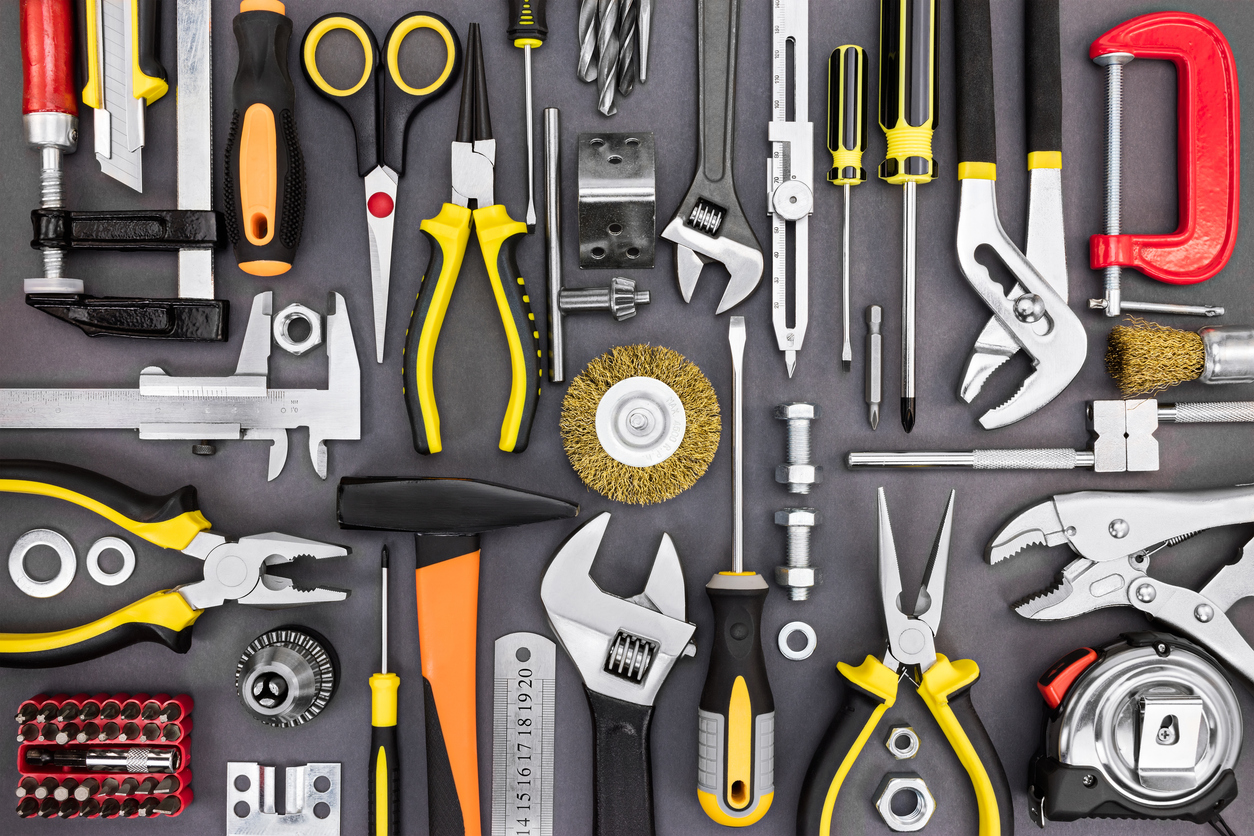
China dominates global hand tool production due to its established manufacturing ecosystem, skilled workforce, and cost efficiencies. Buyers can access a wide variety of products, including:
- Screwdrivers, wrenches, and pliers
- Hammers and cutting tools
- Measuring instruments
- Power tool accessories
Manufacturers often offer flexible production volumes and customization options, making it easier for importers to meet specific market demands.
For African and international distributors, importing from China provides a cost advantage and access to consistent supply chains.
Key Considerations When Exporting Hand Tools from China
While sourcing from China offers clear benefits, businesses must address several critical factors to ensure success.
1. Supplier Verification and Reliability
Not all suppliers meet international standards. Verifying manufacturers is essential to avoid risks such as poor product quality or delayed shipments.
Key steps include:
- Checking certifications (ISO, CE where applicable)
- Reviewing factory audits
- Requesting product samples
Wigmore Trading assists clients by identifying vetted suppliers and conducting due diligence, ensuring reliable sourcing partnerships.
2. Product Quality Control
Consistency is crucial when exporting hand tools, especially for resale or industrial use. Substandard tools can damage brand reputation and lead to financial losses.
Best practices include:
- Pre-production sample approval
- In-line inspections during manufacturing
- Final quality checks before shipment
Wigmore Trading coordinates quality control processes to ensure all products meet agreed specifications and international standards.
3. Pricing and Cost Management
While Chinese suppliers offer competitive pricing, hidden costs can arise from:
- Shipping and freight charges
- Import duties and taxes
- Packaging and labeling requirements
A clear cost breakdown is essential for accurate pricing and profitability.
Wigmore Trading helps businesses optimize procurement costs by negotiating with suppliers and managing end-to-end logistics efficiently.
4. Logistics and Shipping
Efficient logistics are vital when exporting hand tools from China, particularly for bulk shipments. Businesses must choose between:
- Sea freight – cost-effective for large volumes
- Air freight – faster but more expensive
Other considerations include:
- Proper packaging to prevent damage
- Documentation (bill of lading, commercial invoice, packing list)
- Customs clearance requirements
Wigmore Trading provides logistics coordination, ensuring timely delivery and smooth customs processes across African and international markets.
5. Compliance and Import Regulations
Different countries have specific import regulations for tools and hardware products. Non-compliance can lead to delays, fines, or rejected shipments.
Businesses must ensure:
- Correct HS codes are used
- Products meet safety standards
- Documentation is accurate and complete
Wigmore Trading supports compliance by handling documentation and advising on regulatory requirements in destination markets.
Market Opportunities in Africa
Demand for hand tools continues to grow across Africa due to expanding construction, infrastructure development, and retail sectors. Importers and distributors can benefit from:
- Increasing urbanization and housing projects
- Growth in small-scale manufacturing and repair services
- Rising demand for affordable, durable tools
By exporting hand tools from China, businesses can position themselves competitively in these emerging markets.
Wigmore Trading’s regional expertise enables clients to distribute products efficiently within Africa, leveraging established networks and supply chain infrastructure.
How Wigmore Trading Simplifies the Process
Exporting hand tools from China involves multiple stages, from sourcing to final delivery. Wigmore Trading provides integrated support, including:
- Supplier sourcing and verification
- Price negotiation and procurement
- Quality control inspections
- Freight forwarding and logistics
- Customs clearance and compliance
This end-to-end approach reduces operational risks and allows businesses to focus on growth rather than supply chain challenges.
Conclusion
Sourcing and exporting hand tools from China offers significant opportunities for businesses seeking competitive pricing and reliable supply. However, success depends on careful supplier selection, strict quality control, efficient logistics, and compliance with import regulations.
By working with an experienced partner, businesses can streamline operations and reduce risks across the supply chain.
Wigmore Trading can help. Contact Wigmore Trading today to streamline your sourcing.
No Comments Yet.

Comments are closed.