
Buy Horticultural Crops from South Africa: What Importers Should Know

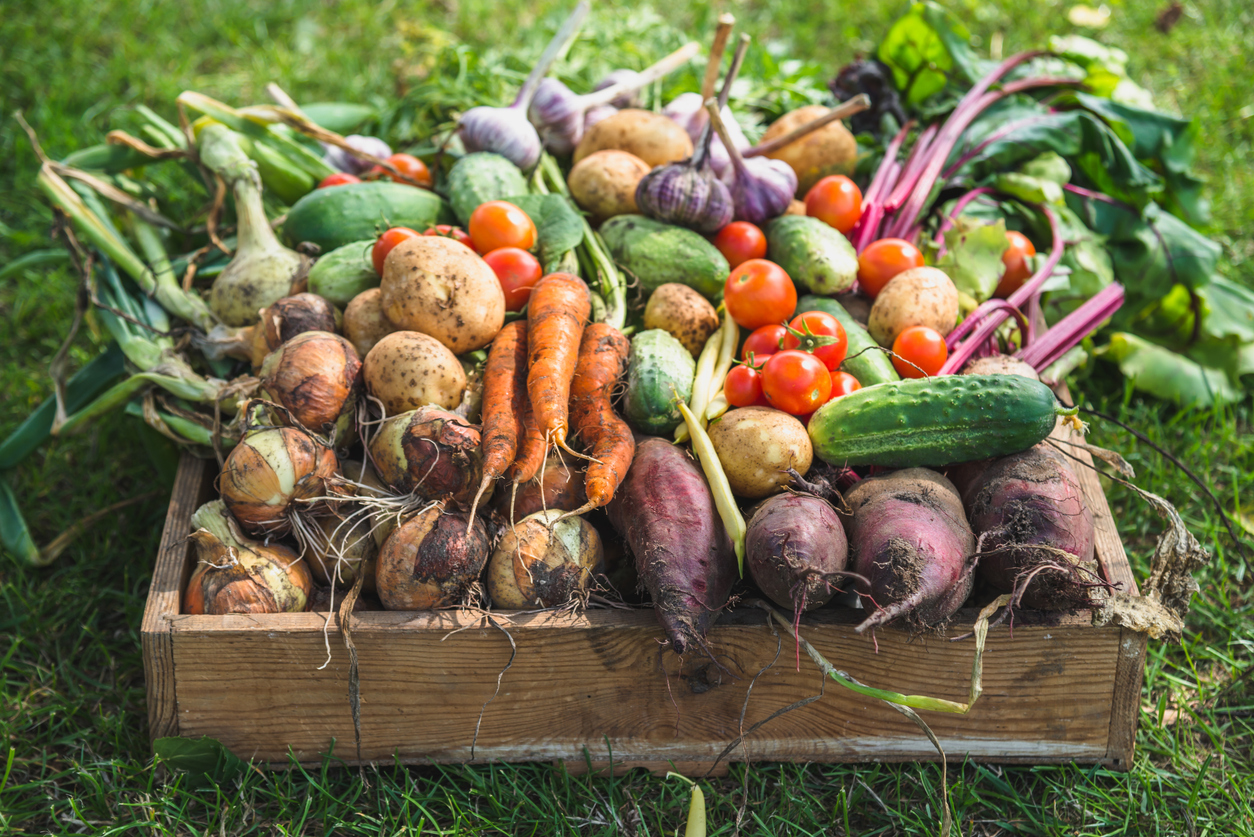
South Africa is a leading source of export-quality fresh produce, supplying global markets with consistent volumes across multiple seasons. Its diverse climate zones, advanced farming practices, and established export infrastructure make it a dependable origin for importers serving retail, wholesale, processing, and foodservice channels.
For businesses looking to source horticultural crops from South Africa, understanding product availability, seasonality, compliance, and logistics is essential. Wigmore Trading can help simplify this process by connecting buyers with reliable producers and managing key supply-chain steps.
Why import Horticultural Crops from South Africa?
South Africa’s horticultural sector is export-oriented and structured to meet international buyer requirements. Growers operate at commercial scale and are accustomed to working with strict quality specifications and delivery timelines.
Key advantages for importers include:
-
Wide crop diversity across citrus, deciduous, stone fruit, and subtropical categories
-
Counter-seasonal supply, helping buyers maintain continuity when other origins are out of season
-
Established export systems, including modern packhouses and cold-chain handling
-
Competitive pricing relative to quality and shelf life
These factors make horticultural crops from South Africa especially attractive to importers looking to reduce supply risk and stabilize year-round availability.
Popular Horticultural Crops from South Africa for importers
Buyers sourcing horticultural crops from South Africa typically focus on products with proven export demand and consistent grades. Commonly traded categories include:
-
Citrus: oranges, lemons, soft citrus, and grapefruit
-
Deciduous fruit: apples and pears for retail and processing markets
-
Table grapes: multiple varieties across staggered production regions
-
Stone fruit: peaches, nectarines, plums, and apricots during peak season
-
Subtropical crops: avocados and selected warm-climate fruit
Choosing the right mix depends on your end market. Retail buyers often prioritize appearance and uniform sizing, while processors may focus more on yield, sugar levels, and consistency.
Managing seasonality for Horticultural Crops from South Africa
Seasonality planning is critical when importing fresh produce. South Africa’s regional diversity allows overlapping harvest windows, but timing still needs to be carefully managed.
To reduce risk and control costs, importers should:
-
map seasonal availability by product and variety
-
align harvest windows with destination market demand
-
plan shipping schedules around transit times and port congestion
-
stagger arrivals to avoid oversupply and price pressure
Wigmore Trading can support buyers by aligning sourcing schedules with commercial needs, whether you’re buying spot volumes or planning longer-term supply programs.
Quality and compliance considerations
Fresh produce imports require strict adherence to food safety, quality, and phytosanitary standards. Failure in any of these areas can lead to costly delays or rejected shipments.
Importers should ensure:
-
compliance with destination market phytosanitary rules
-
proper documentation and traceability from farm to shipment
-
clear quality specifications agreed before packing
-
temperature control and monitoring throughout transit
Working with experienced sourcing partners helps reduce these risks. Wigmore Trading supports buyers by coordinating quality checks, documentation, and shipment readiness to protect product integrity.
Logistics challenges when shipping Horticultural Crops from South Africa
Horticultural products are highly sensitive to handling and transit conditions. Common challenges include temperature deviations, packaging failures, and shipping delays.
Risk mitigation steps include:
-
using export-grade cartons suitable for long-distance shipping
-
confirming pre-cooling and correct reefer settings
-
scheduling inspections before loading
-
planning buffer time for documentation and port operations
Wigmore Trading can help manage logistics coordination so your horticultural crops arrive in market-ready condition.
Buy with confidence through Wigmore Trading
If you’re planning to buy horticultural crops from South Africa, Wigmore Trading offers practical sourcing and logistics support without unnecessary complexity. The team works with vetted producers and export partners to help buyers secure reliable supply at competitive terms.
Wigmore Trading can help with:
-
sourcing suitable crops and grades
-
aligning supply with seasonal demand
-
managing export documentation and shipping coordination
-
supporting wholesale, retail, and processing buyers
Contact Wigmore Trading today to streamline your sourcing and strengthen your South African supply chain.






Comments are closed.