
Choosing the Right Food Logistics Partner in Nigeria: A Practical Guide for Importers and Distributors


Nigeria’s food supply chain is complex, fast-moving, and highly sensitive to delays, temperature control issues, and regulatory requirements. For importers, wholesalers, and FMCG distributors, selecting the right logistics partner is not just an operational decision—it directly impacts product quality, cost efficiency, and market competitiveness.
This guide explains how to choose a reliable food logistics partner in Nigeria, the key challenges businesses face, and how to build a resilient supply chain.
Understanding Food Logistics in Nigeria
Food logistics involves the transportation, storage, and distribution of perishable and non-perishable food products. In Nigeria, this includes:
- Import handling at ports such as Apapa and Tin Can Island
- Inland transportation across varying road conditions
- Temperature-controlled warehousing
- Distribution to retailers, wholesalers, and open markets
Due to infrastructure constraints, inconsistent power supply, and regulatory bottlenecks, food logistics requires careful planning and experienced coordination.
Why Choosing the Right Food Logistics Partner in Nigeria Matters
A reliable logistics partner plays a critical role in maintaining product integrity and ensuring timely delivery.
Key benefits include:
- Reduced spoilage and waste through proper cold chain management
- Regulatory compliance with NAFDAC and SON requirements
- Cost optimisation via efficient routing and consolidation
- Faster market access for imported and locally sourced goods
Without the right partner, businesses risk delays, product damage, and financial losses.
Common Challenges in Food Logistics
1. Cold Chain Management Issues
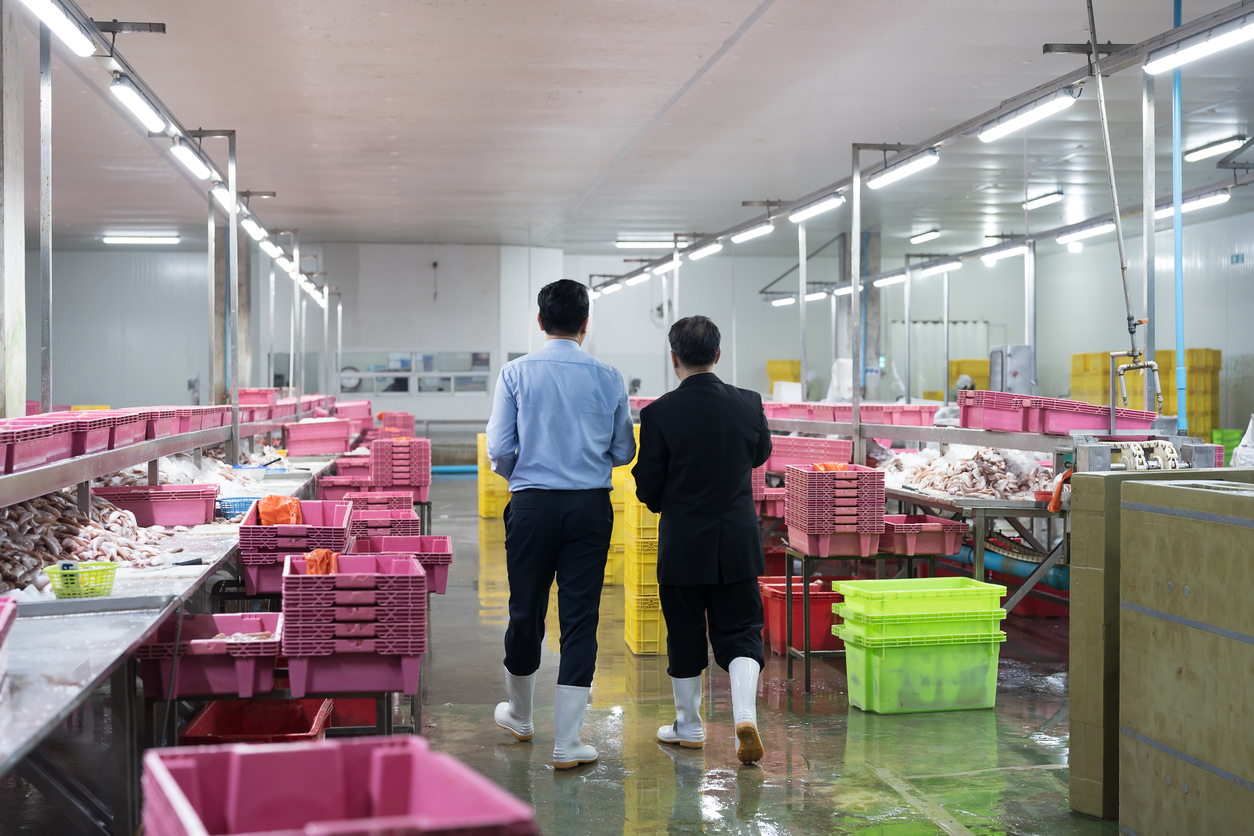
Maintaining consistent temperature control is essential for perishable goods such as dairy, meat, and frozen foods. Power outages and inadequate storage facilities often disrupt cold chains.
2. Port Congestion and Delays
Nigerian ports are known for congestion, which can delay cargo clearance and increase demurrage costs.
3. Regulatory Complexity
Importing food products requires compliance with multiple agencies, including NAFDAC, Customs, and quarantine services.
4. Transportation Infrastructure
Road conditions and traffic congestion can affect delivery timelines, especially for last-mile distribution.
Key Factors to Consider When Selecting a Logistics Partner
Experience in Food Handling
Choose a partner with proven expertise in handling food products. This includes knowledge of storage requirements, shelf-life management, and hygiene standards.
Cold Storage and Temperature Control
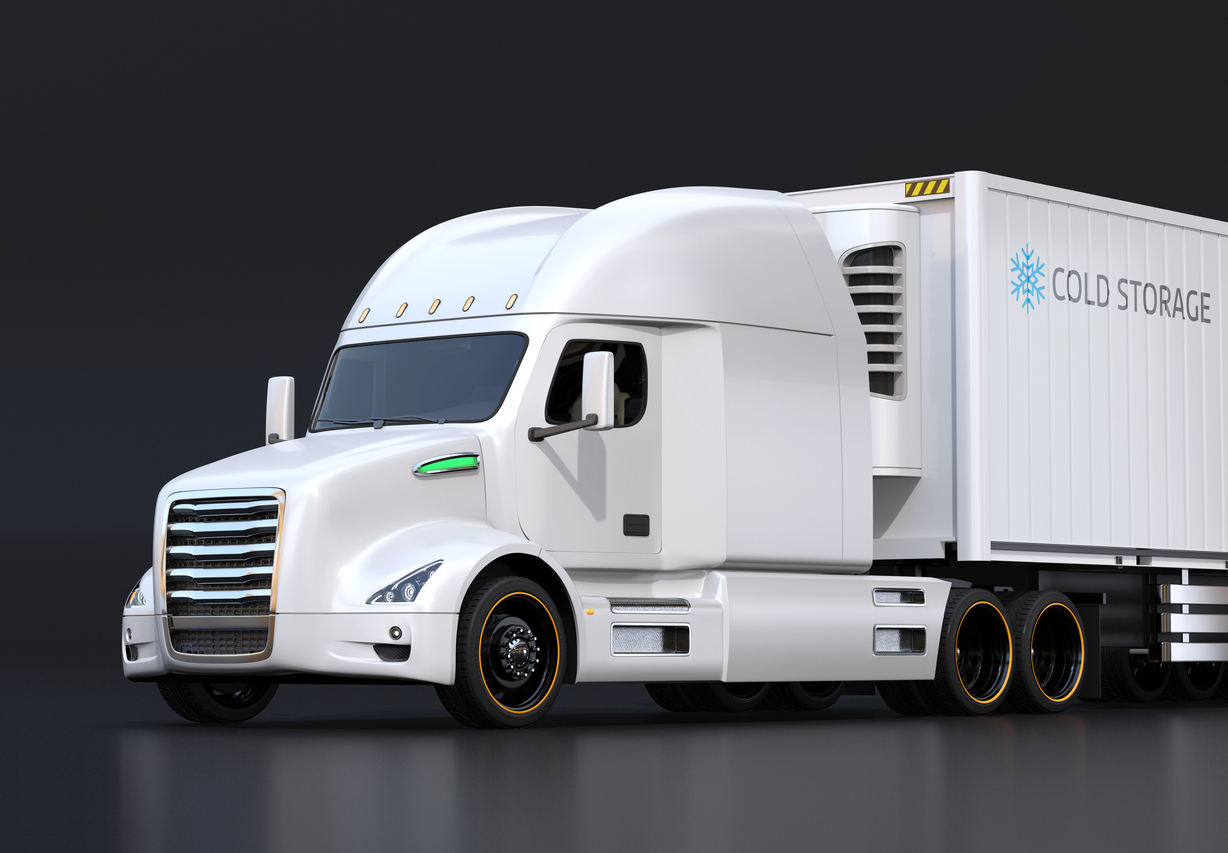
Ensure access to reliable refrigerated transport and warehousing. Temperature monitoring systems should be in place to maintain product quality.
Strong Customs and Compliance Support
A good logistics partner should understand import regulations and manage documentation efficiently to avoid delays.
Nationwide Distribution Capability
Your partner should be able to deliver across Nigeria, including major commercial hubs and emerging markets.
Technology and Tracking
Real-time tracking and inventory visibility help businesses manage stock levels and respond quickly to disruptions.
How Wigmore Trading Supports Food Logistics in Nigeria
For businesses looking to streamline operations, working with an experienced partner like Wigmore Trading can provide practical advantages.
Wigmore Trading supports clients by:
- Managing end-to-end logistics, from international sourcing to final delivery
- Facilitating customs clearance to reduce delays at Nigerian ports
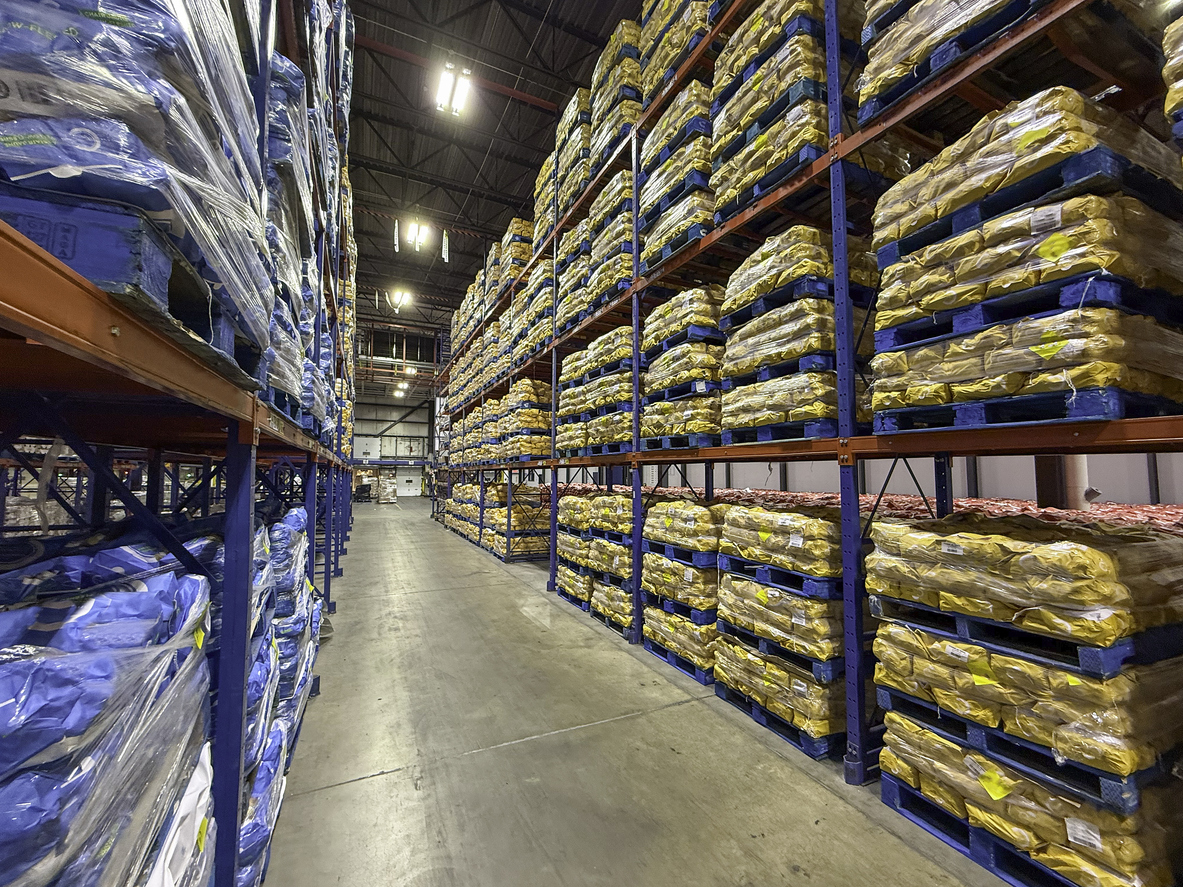
- Providing warehousing and distribution solutions tailored to FMCG and food products
- Ensuring compliance with local regulatory requirements
- Coordinating reliable transport networks for efficient nationwide delivery
Rather than relying on multiple service providers, businesses can benefit from a more integrated approach that reduces complexity and improves efficiency.
Practical Tips for Improving Food Supply Chains
- Plan shipments in advance to account for port delays
- Use consolidated shipping to reduce costs
- Invest in demand forecasting to avoid overstocking or stockouts
- Work with experienced partners who understand local market conditions
- Prioritise compliance to prevent costly disruptions
These steps can significantly improve reliability and profitability in food distribution.
Conclusion
Selecting the right food logistics partner in Nigeria is essential for maintaining product quality, controlling costs, and ensuring consistent supply. With the right expertise, infrastructure, and local knowledge, businesses can overcome common logistics challenges and operate more efficiently.
Wigmore Trading can help. Contact Wigmore Trading today to streamline your sourcing.



Comments are closed.