
Choosing the Right Food Warehouse Partner in Nigeria for Efficient Supply Chains


Nigeria’s fast-growing FMCG and food distribution sector relies heavily on efficient storage, inventory management, and logistics. For importers, wholesalers, and retailers, selecting a reliable food warehouse partner in Nigeria is a critical decision that directly impacts product quality, delivery timelines, and overall profitability.
This article outlines key considerations when choosing a warehouse partner, common industry challenges, and how businesses can optimise their supply chains through strategic partnerships.
Why a Food Warehouse Partner Matters
Food products—especially perishable and fast-moving goods—require specialised handling, storage conditions, and regulatory compliance. A dependable warehouse partner ensures:
- Proper storage conditions (temperature, humidity, hygiene)
- Efficient inventory management
- Reduced spoilage and product loss
- Faster order fulfilment and distribution
- Compliance with Nigerian food safety standards
Without a structured warehousing system, businesses risk delays, product damage, and regulatory issues that can disrupt operations.
Key Features of a Reliable Food Warehouse Partner in Nigeria
When evaluating a food warehouse partner in Nigeria, businesses should prioritise the following:
1. Strategic Location
Warehouses located near major ports like Lagos or close to distribution hubs reduce transportation time and costs. This is especially important for imported goods that need quick clearance and dispatch.
2. Temperature-Controlled Storage
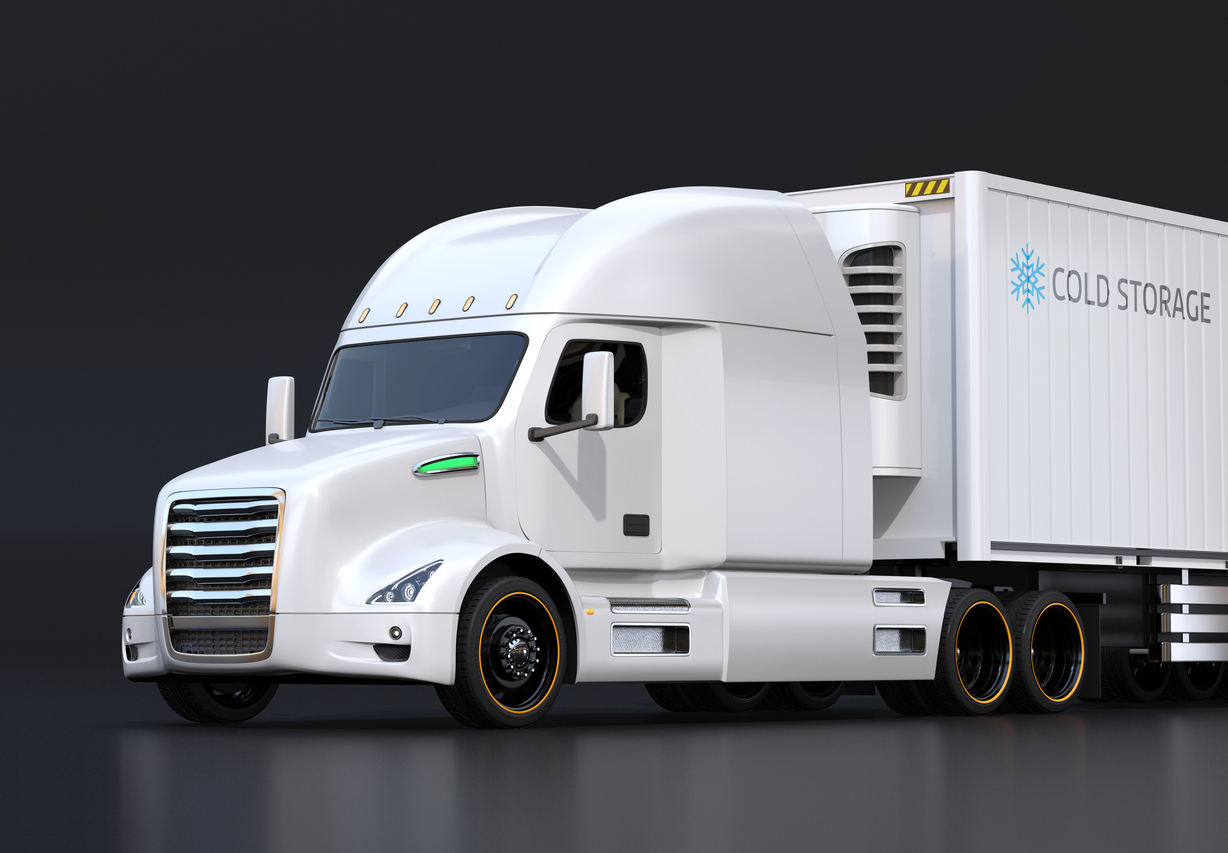
For perishable goods such as dairy, frozen foods, and beverages, cold chain infrastructure is essential. A warehouse partner should offer:
- Refrigerated storage
- Freezer facilities
- Real-time temperature monitoring
3. Inventory Management Systems
Modern warehouses use digital inventory systems to track stock levels, expiry dates, and batch numbers. This improves transparency and reduces the risk of stockouts or overstocking.
4. Compliance and Certifications
A credible warehouse partner must comply with Nigerian regulatory bodies such as NAFDAC and SON. Proper documentation and adherence to food safety standards protect your business from legal risks.
5. Distribution Capabilities
Beyond storage, an ideal partner should support last-mile delivery and nationwide distribution. This ensures products move efficiently from warehouse to market.
Common Challenges in Food Warehousing
Despite the growing demand, businesses in Nigeria often face several warehousing challenges:
Inconsistent Storage Conditions
Many facilities lack proper temperature control, leading to product spoilage and financial losses.
Poor Inventory Visibility
Manual tracking systems increase the risk of errors, expired goods, and inefficient stock management.
Logistics Bottlenecks
Traffic congestion, port delays, and poor infrastructure can disrupt supply chains.
Regulatory Complexity
Navigating compliance requirements for food imports and distribution can be time-consuming and costly.
Practical Solutions for Businesses
To overcome these challenges, businesses should adopt a more integrated approach to warehousing and logistics:
- Partner with experienced providers that offer end-to-end solutions
- Use technology-driven inventory systems for better tracking
- Prioritise warehouses with strong compliance frameworks
- Consolidate storage and distribution under one provider where possible
This is where working with a professional partner like Wigmore Trading can make a significant difference.
How Wigmore Trading Supports Food Warehousing and Distribution
Wigmore Trading provides comprehensive solutions for businesses seeking a dependable food warehouse partner in Nigeria. With experience across importation, storage, and distribution, the company supports clients through:
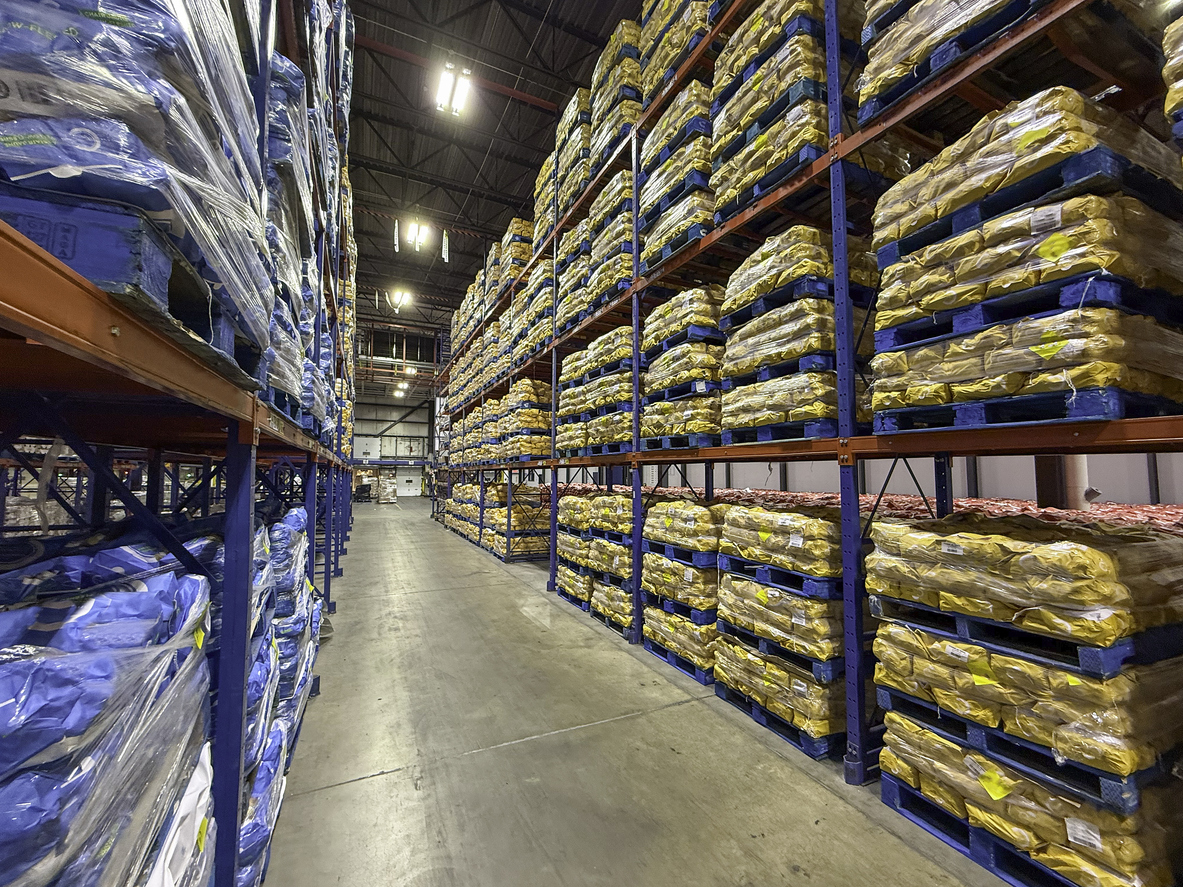
- Secure and strategically located warehousing facilities
- Efficient handling of FMCG and food products
- Integrated logistics and nationwide distribution networks
- Assistance with regulatory compliance and documentation
- Streamlined supply chain management from sourcing to delivery
By combining warehousing with logistics expertise, Wigmore Trading helps businesses reduce operational risks and improve efficiency.
Choosing the Right Partner for Long-Term Growth
Selecting a warehouse partner is not just about storage—it’s about building a resilient supply chain. Businesses should look for partners who understand the complexities of Nigeria’s food industry and can adapt to changing market demands.
Key questions to ask include:
- Does the partner offer scalable solutions as your business grows?
- Can they handle both storage and distribution efficiently?
- Do they have a proven track record in food handling and compliance?
A well-chosen partner can help businesses maintain product quality, meet customer demand, and expand into new markets with confidence.
Conclusion
The role of a reliable food warehouse partner in Nigeria cannot be overstated. From ensuring product safety to enabling efficient distribution, the right partner is essential for success in Nigeria’s competitive food and FMCG sector.
Businesses that invest in strong warehousing partnerships position themselves for better operational efficiency, reduced losses, and improved customer satisfaction.
Wigmore Trading can help. Contact Wigmore Trading today to streamline your sourcing.



Comments are closed.