
Cold Chain Investment in Nigeria: Unlocking Growth in Agriculture and FMCG Supply Chains

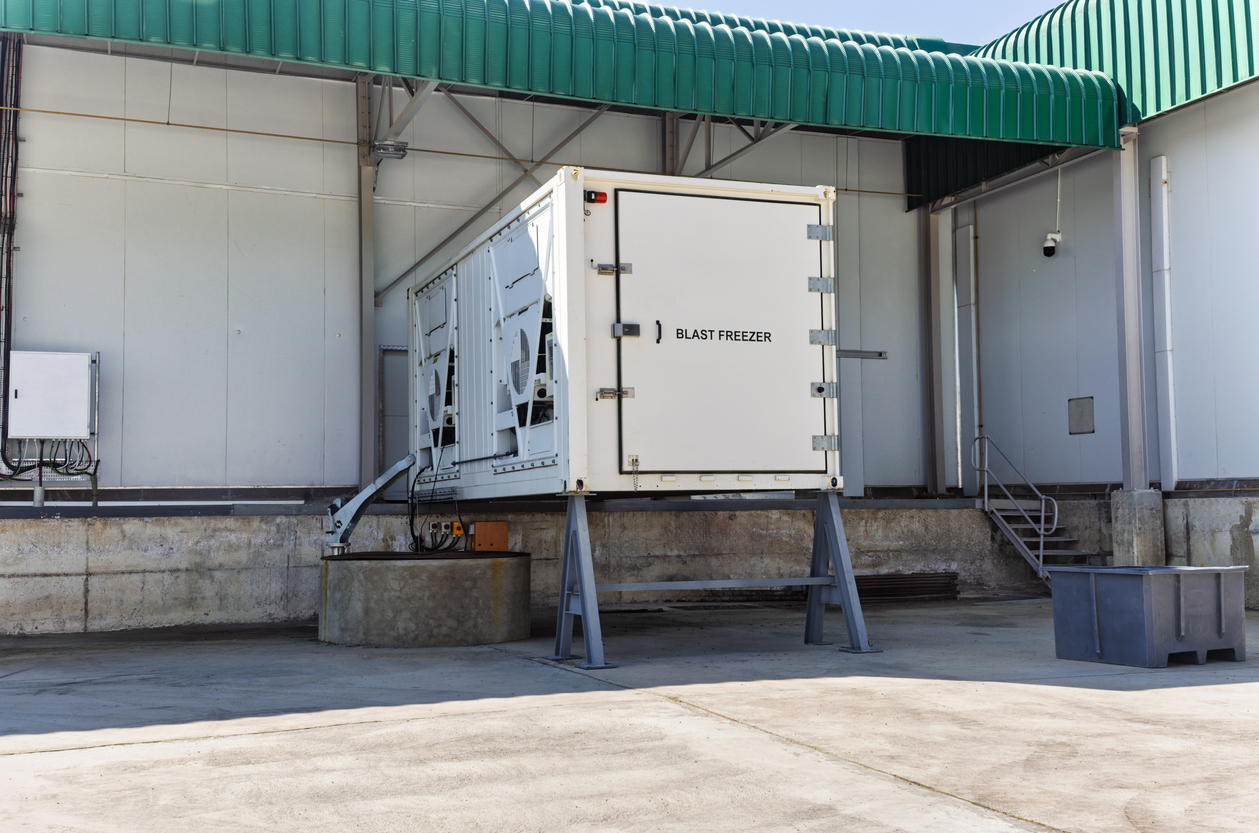
Nigeria’s growing population and expanding consumer markets are driving demand for reliable food distribution systems. Yet, a significant portion of perishable goods is still lost due to inadequate storage and transportation infrastructure. Cold chain investment in Nigeria is emerging as a critical solution to reduce waste, improve food security, and strengthen supply chains across agriculture, pharmaceuticals, and FMCG sectors.
Understanding Cold Chain Infrastructure in Nigeria
A cold chain refers to a temperature-controlled supply chain that preserves perishable products from production to consumption. It includes refrigerated storage, temperature-controlled transportation, and monitoring systems.
In Nigeria, cold chain infrastructure remains underdeveloped. Many farmers, distributors, and retailers rely on informal systems that expose products to heat, leading to spoilage. This gap presents a major opportunity for investors, logistics providers, and supply chain specialists.
Why Cold Chain Investment in Nigeria Matters
Reducing Post-Harvest Losses
Nigeria loses a significant percentage of its agricultural produce annually due to poor storage and transport conditions. Investing in cold chain solutions helps:
- Extend shelf life of fruits, vegetables, dairy, and meat
- Stabilise market supply
- Increase farmers’ income
Supporting FMCG and Retail Growth
As modern retail expands, supermarkets and quick-service restaurants require consistent quality and supply. Cold chain investment ensures:
- Reliable product availability
- Compliance with safety standards
- Improved customer satisfaction
Enabling Pharmaceutical Distribution
Temperature-sensitive medicines, vaccines, and biologics depend on strict storage conditions. Strengthening cold chain systems supports:
- Public health initiatives
- Regulatory compliance
- Efficient last-mile delivery
Key Challenges Facing Cold Chain Development
Despite its importance, cold chain investment in Nigeria faces several challenges:
Infrastructure Gaps
Limited access to reliable electricity and poor transport networks increase operational costs and complexity.
High Capital Requirements
Cold storage facilities and refrigerated vehicles require significant upfront investment, which can deter new entrants.
Fragmented Supply Chains
Many supply chains in Nigeria are informal, making coordination and standardisation difficult.
Limited Technical Expertise
Operating and maintaining cold chain systems requires specialised knowledge that is still developing locally.
Opportunities for Investors and Businesses
Despite these challenges, the sector presents strong growth potential.
Agriculture and Export Markets
Nigeria’s agricultural sector offers vast opportunities for exporting perishable goods such as fruits, seafood, and vegetables. Cold chain investment enables:
- Compliance with international export standards
- Reduced spoilage during transit
- Access to premium global markets
Urban Distribution Networks
With rapid urbanisation, demand for fresh and frozen goods in cities like Lagos and Abuja is rising. Investors can capitalise on:
- Last-mile cold delivery services
- Urban cold storage hubs
- E-commerce grocery logistics
Public-Private Partnerships
Government initiatives and international development programs are increasingly supporting cold chain projects, creating opportunities for collaboration and funding.
Practical Strategies for Cold Chain Investment in Nigeria
Adopt Modular and Scalable Solutions
Rather than large, capital-intensive facilities, businesses can start with modular cold storage units that scale with demand.
Leverage Renewable Energy
Solar-powered refrigeration systems help mitigate unreliable electricity supply and reduce operating costs.
Integrate Technology
Digital monitoring systems improve temperature tracking, inventory management, and supply chain transparency.
Partner with Experienced Logistics Providers
Working with established partners ensures efficient implementation and reduces operational risks.
How Wigmore Trading Supports Cold Chain Development
Navigating cold chain investment in Nigeria requires a deep understanding of sourcing, logistics, and compliance. Wigmore Trading plays a vital role in supporting businesses entering or expanding in this space.
Through its expertise in import/export and distribution, Wigmore Trading can assist with:
- Sourcing cold chain equipment and materials from reliable global suppliers
- Managing logistics and transportation, including temperature-sensitive shipments
- Ensuring regulatory compliance for food and pharmaceutical products
- Coordinating supply chain operations across multiple stakeholders
By leveraging established networks and industry knowledge, businesses can reduce risk and accelerate implementation.
The Future of Cold Chain Investment in Nigeria
The outlook for cold chain investment in Nigeria is strong. As demand for high-quality food, pharmaceuticals, and FMCG products continues to grow, the need for efficient temperature-controlled logistics will only increase.
Advancements in technology, increased private sector participation, and government support are expected to drive further development. Companies that invest early in cold chain infrastructure will be well-positioned to benefit from improved efficiency, reduced waste, and expanded market access.
Conclusion
Cold chain investment in Nigeria is not just a logistics upgrade—it is a strategic necessity for modern supply chains. From reducing agricultural losses to supporting FMCG growth and healthcare delivery, the benefits are far-reaching.
However, success requires careful planning, reliable partnerships, and a clear understanding of local challenges. Businesses that take a structured approach to cold chain development can unlock significant value in Nigeria’s evolving market.
Wigmore Trading can help. Contact Wigmore Trading today to streamline your sourcing.




Comments are closed.