
Conveyor Belts Import from China to Nigeria: A Practical Guide for Industrial Buyers

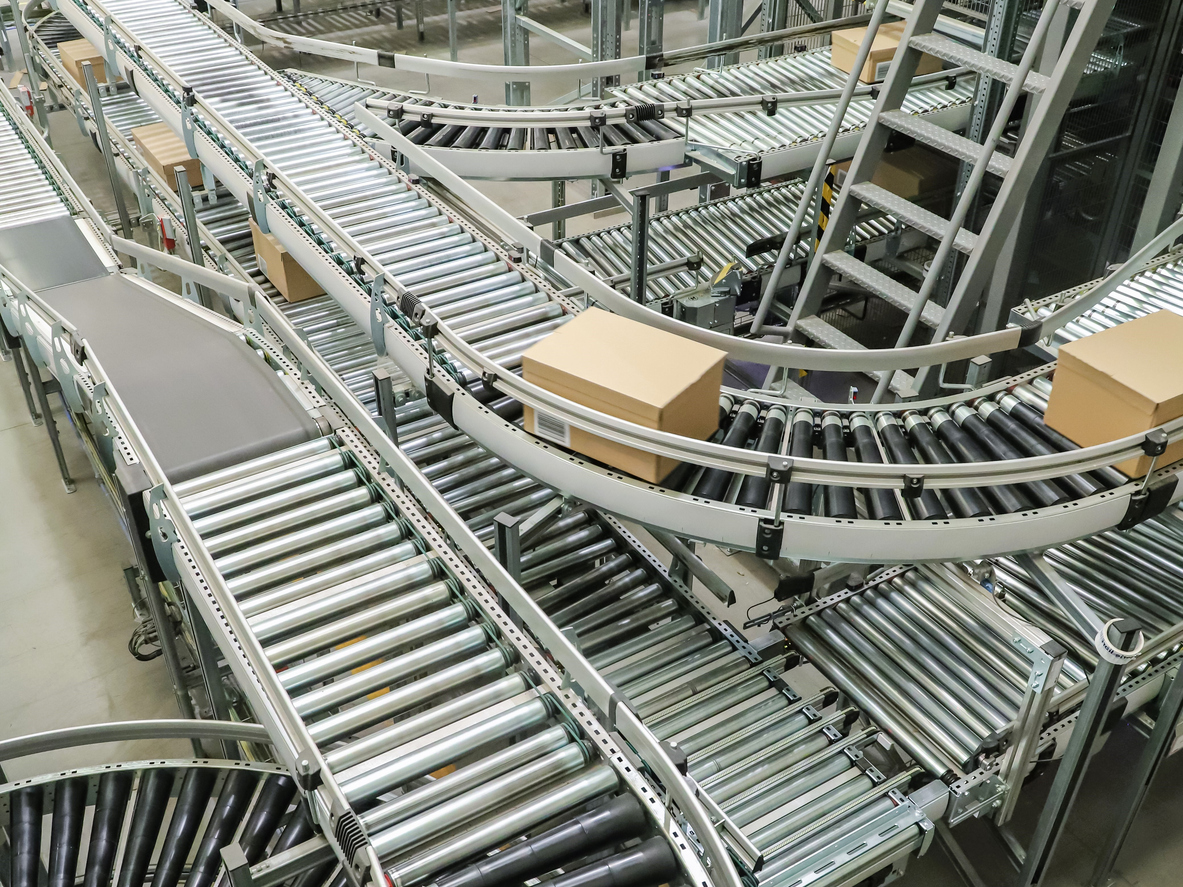
Industrial growth in Nigeria continues to drive demand for reliable material handling systems across manufacturing, mining, agriculture, ports, and logistics. As a result, conveyor belts import from China to Nigeria has become an increasingly common sourcing strategy for businesses seeking cost-effective, durable, and customizable solutions.
China remains one of the world’s largest producers of conveyor belts, offering a wide range of specifications and competitive pricing. However, importing industrial equipment requires careful planning, supplier verification, regulatory compliance, and efficient logistics management. This guide explains the process and key considerations for Nigerian importers.
Why Conveyor Belts Import from China to Nigeria Is Increasing
Chinese manufacturers produce conveyor belts for diverse applications, including:
-
Mining and quarry operations
-
Cement and construction industries
-
Food processing and FMCG manufacturing
-
Agricultural processing plants
-
Port and warehouse logistics
The appeal of conveyor belts import from China to Nigeria lies in several factors:
-
Competitive unit pricing due to large-scale manufacturing
-
Wide variety of belt types (PVC, rubber, steel cord, modular plastic)
-
Customizable widths, tensile strengths, and resistance properties
-
Access to technical specifications and international certifications
For Nigerian industrial buyers, this sourcing route offers scalability and flexibility, especially for large infrastructure or production projects.
Types of Conveyor Belts Commonly Imported into Nigeria
Before initiating a conveyor belts import from China to Nigeria, businesses must clearly define their operational requirements. Common belt types include:
Rubber Conveyor Belts
Widely used in mining, quarrying, and heavy-duty industrial operations. These belts are designed for high tensile strength and abrasion resistance.
PVC and PU Conveyor Belts
Popular in food processing and FMCG production due to hygiene standards and ease of cleaning.
Steel Cord Conveyor Belts
Suitable for long-distance and high-load applications, such as cement plants and bulk material handling.
Heat-Resistant and Oil-Resistant Belts
Used in environments where high temperatures or chemical exposure are factors.
Choosing the correct specification is essential to avoid premature wear, operational downtime, or compliance issues.
Key Steps in Conveyor Belts Import from China to Nigeria
Successfully managing a conveyor belts import from China to Nigeria involves several structured steps.
Supplier Identification and Verification
Importers should assess:
-
Manufacturing capacity
-
Export experience
-
Product certifications (ISO, CE where applicable)
-
Technical documentation
-
Sample testing capability
Due diligence helps prevent quality inconsistencies and supply chain disruptions.
Product Specification and Quality Control
Detailed specifications must include:
-
Belt width and thickness
-
Tensile strength
-
Cover grade
-
Resistance properties
-
Roll length and packaging
Pre-shipment inspection or third-party quality checks can reduce the risk of defective goods arriving in Nigeria.
Regulatory Compliance in Nigeria
Industrial imports must comply with Nigerian Customs Service requirements and, where applicable, standards from regulatory bodies such as SON (Standards Organisation of Nigeria).
Documentation typically includes:
-
Form M
-
Pre-Arrival Assessment Report (PAAR)
-
Bill of Lading
-
Commercial Invoice
-
Packing List
Failure to meet compliance standards can lead to shipment delays or additional costs.
Logistics Considerations for Conveyor Belts Import from China to Nigeria
Conveyor belts are heavy, bulky goods, often shipped in rolls or pallets. Logistics planning is therefore critical.
Freight Options
-
Sea freight is the most cost-effective method for bulk industrial shipments.
-
Full Container Load (FCL) is often preferred for large orders to reduce damage risk.
Port Handling and Inland Transportation
Upon arrival at Nigerian ports (Apapa, Tin Can, or Onne), cargo must be cleared efficiently and transported to factories, warehouses, or project sites. Proper handling reduces the risk of deformation or structural damage to the belts.
Working with an experienced logistics and supply chain partner can streamline customs clearance, port coordination, and final-mile delivery.
Cost Factors in Conveyor Belts Import from China to Nigeria
Importers must consider more than just the factory price. Total landed cost includes:
-
Unit cost from manufacturer
-
Freight charges
-
Marine insurance
-
Customs duties and port fees
-
Inland transport
-
Inspection and documentation fees
Fluctuating exchange rates and shipping rates can significantly impact profitability. Clear cost modelling before placing an order helps protect margins.
Risk Management and Supply Chain Stability
Industrial operations rely heavily on uninterrupted material flow. Delays in sourcing conveyor belts can halt production or delay infrastructure projects.
To reduce risk:
-
Avoid relying on a single supplier
-
Maintain buffer stock where possible
-
Use structured procurement timelines
-
Partner with experienced import facilitators
A professional sourcing and logistics partner can assist with supplier vetting, quality control coordination, freight booking, documentation management, and customs clearance.
How Wigmore Trading Supports Conveyor Belts Import from China to Nigeria
For Nigerian manufacturers, mining operators, and industrial distributors, managing international procurement can be complex. Wigmore Trading supports businesses by:
-
Sourcing verified conveyor belt manufacturers in China
-
Coordinating inspections and quality checks
-
Managing freight and shipping arrangements
-
Handling customs documentation and clearance
-
Organising inland distribution within Nigeria
By integrating sourcing, compliance, and logistics management, businesses can reduce risk and focus on operational efficiency rather than administrative bottlenecks.
Conclusion
The growth of infrastructure, manufacturing, and industrial processing in Nigeria continues to increase demand for reliable material handling systems. A well-structured conveyor belts import from China to Nigeria strategy offers cost efficiency, product variety, and scalability.
However, successful importation requires technical clarity, supplier due diligence, regulatory compliance, and strong logistics coordination. With the right systems and partnerships in place, Nigerian businesses can secure high-quality conveyor belts while maintaining operational continuity.
Wigmore Trading can help. Contact Wigmore Trading today to streamline your sourcing.




Comments are closed.