

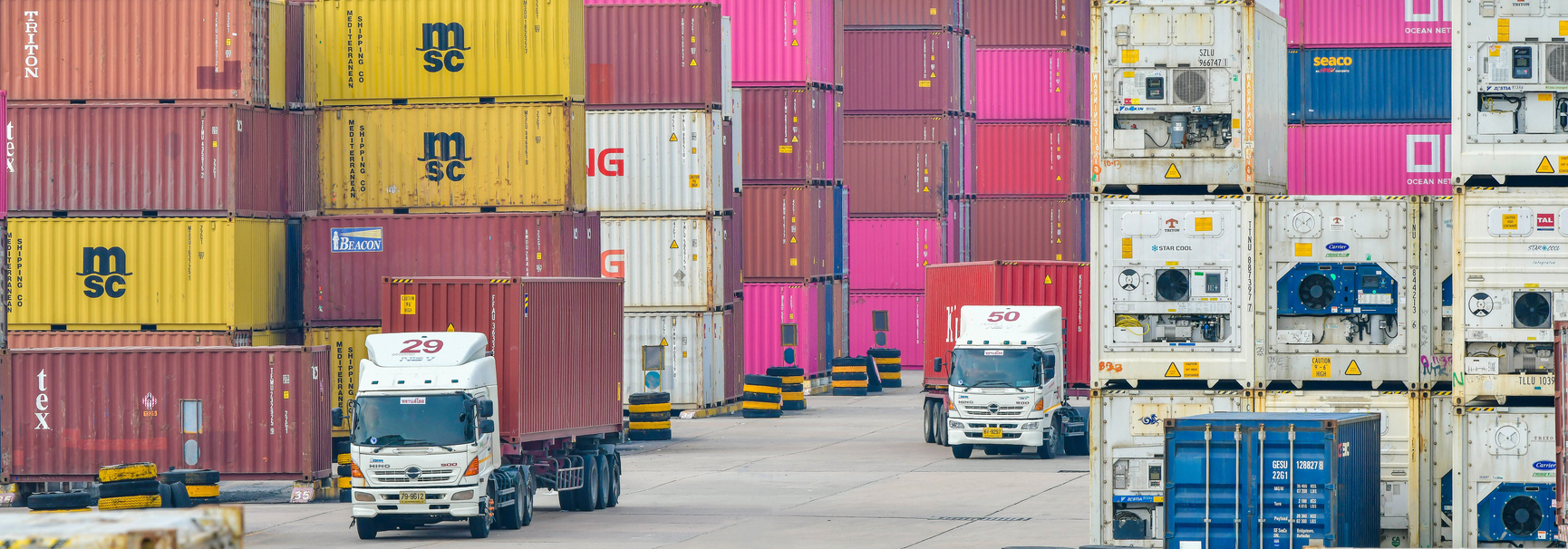
Export Advisory Services for Businesses Affected by Currency Fluctuations in Ghana
Currency fluctuations are a persistent challenge for businesses engaged in international trade, particularly in emerging markets like Ghana. Exchange rate volatility can significantly impact pricing, profit margins, and supply chain stability. For exporters and importers alike, navigating these risks requires informed decision-making and structured support.
This is where export advisory services for businesses affected by currency fluctuations in Ghana become essential. By combining market insight, financial strategies, and operational expertise, businesses can better manage uncertainty and maintain competitiveness in global markets.
Understanding Currency Fluctuations in Ghana’s Trade Environment
Ghana’s economy, like many in West Africa, is influenced by global commodity prices, inflation, and foreign exchange supply constraints. The Ghanaian cedi has experienced periodic depreciation, which affects:
- Cost of imported raw materials and finished goods
- Export pricing competitiveness
- Contract valuation in foreign currencies
- Profit margins and cash flow predictability
For businesses operating across borders, even small exchange rate shifts can lead to significant financial exposure.
Key Risks for Exporters and Importers
Pricing Instability
Exporters may struggle to maintain consistent pricing when exchange rates fluctuate. Contracts agreed in foreign currencies can lose value when converted back to local currency.
Margin Erosion
Importers sourcing goods in USD or EUR may face increased costs when the cedi weakens, reducing profitability unless prices are adjusted.
Supply Chain Disruptions
Currency volatility can delay payments, disrupt supplier relationships, and create uncertainty in procurement planning.
Financial Planning Challenges
Forecasting becomes more complex, making it difficult to plan inventory, expansion, or long-term investments.
How Export Advisory Services Help Businesses Adapt
Engaging professional advisory services provides businesses with structured strategies to mitigate these risks.
1. Currency Risk Assessment and Strategy Development
Advisors evaluate exposure to foreign exchange risks and recommend tailored strategies such as:
- Currency diversification
- Forward contracts or hedging solutions
- Multi-currency pricing models
This helps stabilise revenues and reduce unexpected losses.
2. Market and Pricing Guidance
Advisory services support businesses in adjusting pricing strategies based on currency trends. This includes:
- Revising export pricing structures
- Identifying more stable trading currencies
- Benchmarking against competitors in regional and global markets
3. Supplier and Buyer Negotiation Support
Experienced advisors can help renegotiate terms with suppliers and buyers to include:
- Flexible pricing clauses
- Currency adjustment mechanisms
- Shorter payment cycles
These measures reduce exposure to long-term currency risk.
4. Compliance and Trade Documentation
Currency fluctuations often intersect with regulatory requirements, particularly in export documentation and customs declarations. Advisory services ensure compliance with:
- Ghana Export Promotion Authority (GEPA) guidelines
- Central bank foreign exchange regulations
- International trade documentation standards
5. Supply Chain Optimisation
Advisors analyse supply chains to identify opportunities for cost savings and risk reduction, such as:
- Sourcing from alternative markets
- Consolidating shipments
- Adjusting logistics routes to reduce costs
The Role of Wigmore Trading in Supporting Ghanaian Businesses
Wigmore Trading plays a practical role in helping businesses navigate these challenges by combining sourcing, logistics, and advisory expertise.
For businesses affected by currency volatility, Wigmore Trading can:
- Source goods from diverse international markets to reduce dependency on a single currency
- Provide flexible procurement solutions aligned with current exchange rates
- Manage end-to-end logistics to control costs and improve efficiency
- Support compliance with export and import regulations across African and global markets
By integrating advisory insights with operational execution, businesses can move from reactive decision-making to a more structured and resilient trade strategy.
Building Long-Term Resilience Against Currency Volatility
While short-term strategies are important, businesses in Ghana should also focus on long-term resilience.
Key approaches include:
- Diversifying export markets to spread currency risk
- Strengthening relationships with reliable international partners
- Investing in data-driven financial planning
- Leveraging regional trade agreements such as AfCFTA to access new markets
Export advisory services provide the expertise needed to implement these strategies effectively.
Conclusion
Currency fluctuations are an unavoidable aspect of international trade, particularly in dynamic markets like Ghana. However, with the right advisory support, businesses can manage risks, protect margins, and maintain stable operations.
Export advisory services for businesses affected by currency fluctuations in Ghana offer practical solutions—from risk assessment and pricing strategies to supply chain optimisation and compliance support.
Wigmore Trading can help businesses navigate these complexities with integrated sourcing, logistics, and advisory services tailored to African trade environments. Contact Wigmore Trading today to streamline your sourcing.






Comments are closed.