
Reliable Food Supply for Hotels in Nigeria: Ensuring Consistency and Quality

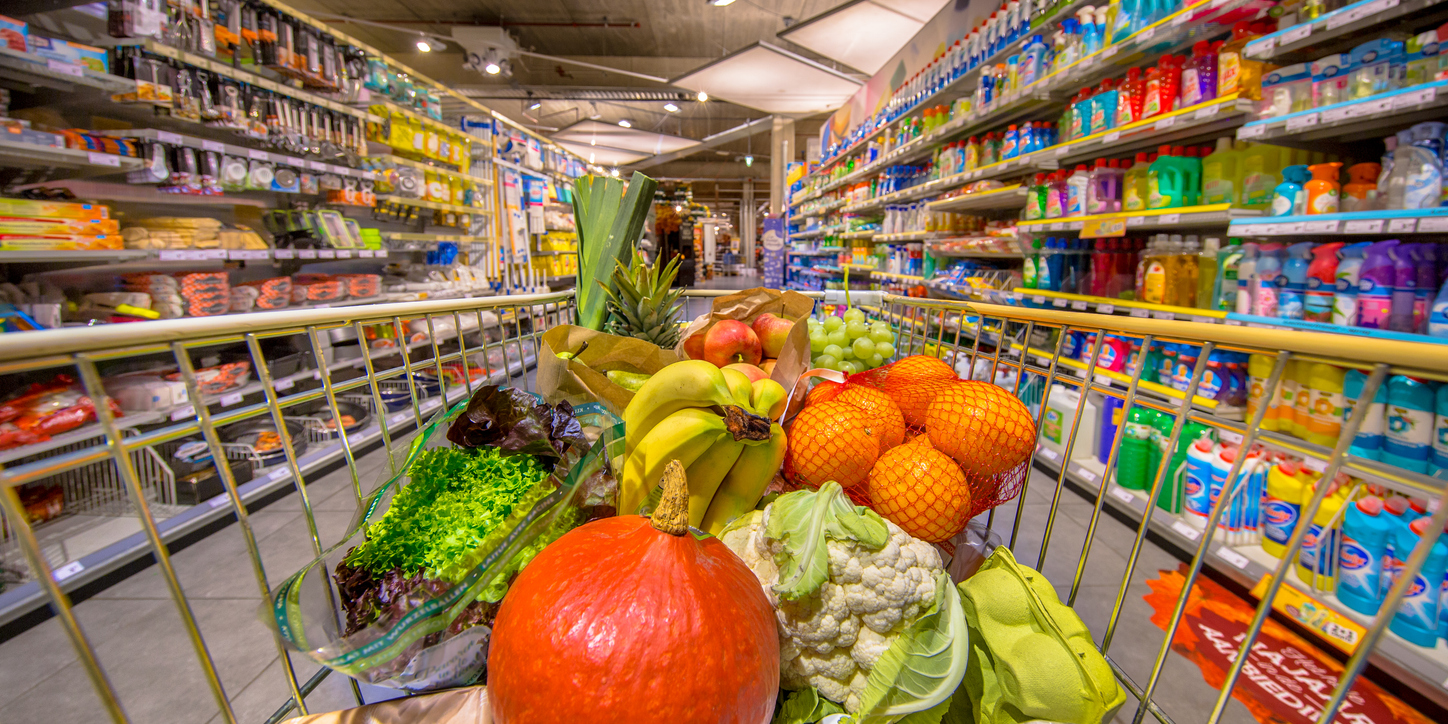
Nigeria’s hospitality industry continues to expand, driven by tourism, business travel, and urban growth. For hotels, one of the most critical operational factors is maintaining a consistent and high-quality food supply. From breakfast buffets to fine dining experiences, reliable sourcing directly impacts guest satisfaction, cost control, and brand reputation.
This article explores the key considerations around food supply for hotels in Nigeria, common challenges, and practical solutions to ensure efficiency and consistency in procurement and distribution.
Understanding the Importance of Food Supply for Hotels in Nigeria
Hotels rely on a steady flow of fresh and packaged food products to meet daily demand. Unlike other businesses, fluctuations in supply can immediately affect service delivery.
Key requirements include:
- Consistent availability of fresh produce, proteins, and dry goods
- Compliance with food safety and hygiene standards
- Reliable logistics for timely delivery
- Competitive pricing to maintain profit margins
Given Nigeria’s diverse supply chain landscape, hotels must carefully structure their sourcing strategies to avoid disruptions.
Key Challenges in Hotel Food Supply Chains
1. Inconsistent Product Availability
Seasonality, poor storage infrastructure, and fragmented agricultural supply chains often lead to inconsistent availability of key food items.
2. Logistics and Transportation Issues
Road conditions, fuel costs, and distribution inefficiencies can delay deliveries, affecting freshness and inventory planning.
3. Quality Control Concerns
Without proper supplier vetting, hotels risk receiving substandard or non-compliant food products.
4. Price Volatility
Food prices in Nigeria can fluctuate due to inflation, currency changes, and import dependencies, making budgeting difficult.
5. Supplier Fragmentation
Many hotels source from multiple small suppliers, increasing complexity and reducing supply chain visibility.
Best Practices for Managing Food Supply in Hotels
Centralised Procurement Systems
Hotels benefit from consolidating suppliers and working with structured procurement partners. This improves consistency, simplifies ordering, and enhances accountability.
Inventory Planning and Forecasting
Using data to predict demand helps reduce waste and avoid stockouts. Hotels should align procurement cycles with occupancy rates and seasonal trends.
Supplier Vetting and Compliance
Working with verified suppliers ensures adherence to food safety standards, including proper handling, packaging, and storage.
Cold Chain Management
Perishable goods require temperature-controlled logistics to maintain quality from source to kitchen.
Diversified Sourcing Strategy
Combining local sourcing with strategic imports helps mitigate risks related to seasonality and supply shortages.
The Role of Reliable Distribution Partners
To overcome these challenges, many hotels are turning to experienced supply chain partners who can manage sourcing, logistics, and compliance under one framework.
A structured distributor offers:
- Access to a wide network of local and international suppliers
- Quality assurance processes
- Efficient warehousing and inventory management
- Streamlined delivery schedules
- Reduced administrative burden
This approach allows hotel operators to focus on service delivery while ensuring supply chain reliability.
How Wigmore Trading Supports Food Supply for Hotels in Nigeria
Wigmore Trading plays a key role in supporting hotels across Nigeria with dependable sourcing and distribution solutions.
Through its established network, Wigmore Trading helps hotels:
- Source high-quality food products locally and internationally
- Manage bulk purchasing for cost efficiency
- Ensure compliance with food safety and import regulations
- Provide reliable logistics and timely delivery
- Maintain consistent inventory levels
By integrating procurement and logistics services, Wigmore Trading reduces the complexity associated with managing multiple suppliers, helping hotels maintain operational stability.
Adapting to Nigeria’s Evolving Hospitality Market
As Nigeria’s hospitality sector grows, expectations around food quality, variety, and sustainability are increasing. Hotels must adapt by building resilient and transparent supply chains.
Emerging trends include:
- Increased demand for traceable and ethically sourced products
- Greater reliance on technology for inventory and procurement management
- Expansion of partnerships with professional distributors
- Focus on reducing food waste and improving efficiency
Hotels that invest in structured supply chain systems are better positioned to scale operations and maintain consistent service standards.
Conclusion
A reliable food supply for hotels in Nigeria is essential for delivering quality guest experiences and maintaining profitability. By addressing common supply chain challenges and adopting structured procurement strategies, hotels can improve efficiency and reduce operational risks.
Working with experienced partners like Wigmore Trading enables hotels to streamline sourcing, ensure product quality, and maintain consistent supply across all operations.
Wigmore Trading can help. Contact Wigmore Trading today to streamline your sourcing.




Comments are closed.