
Fuel Supply Security Consulting for Middle East Crisis Risk Management

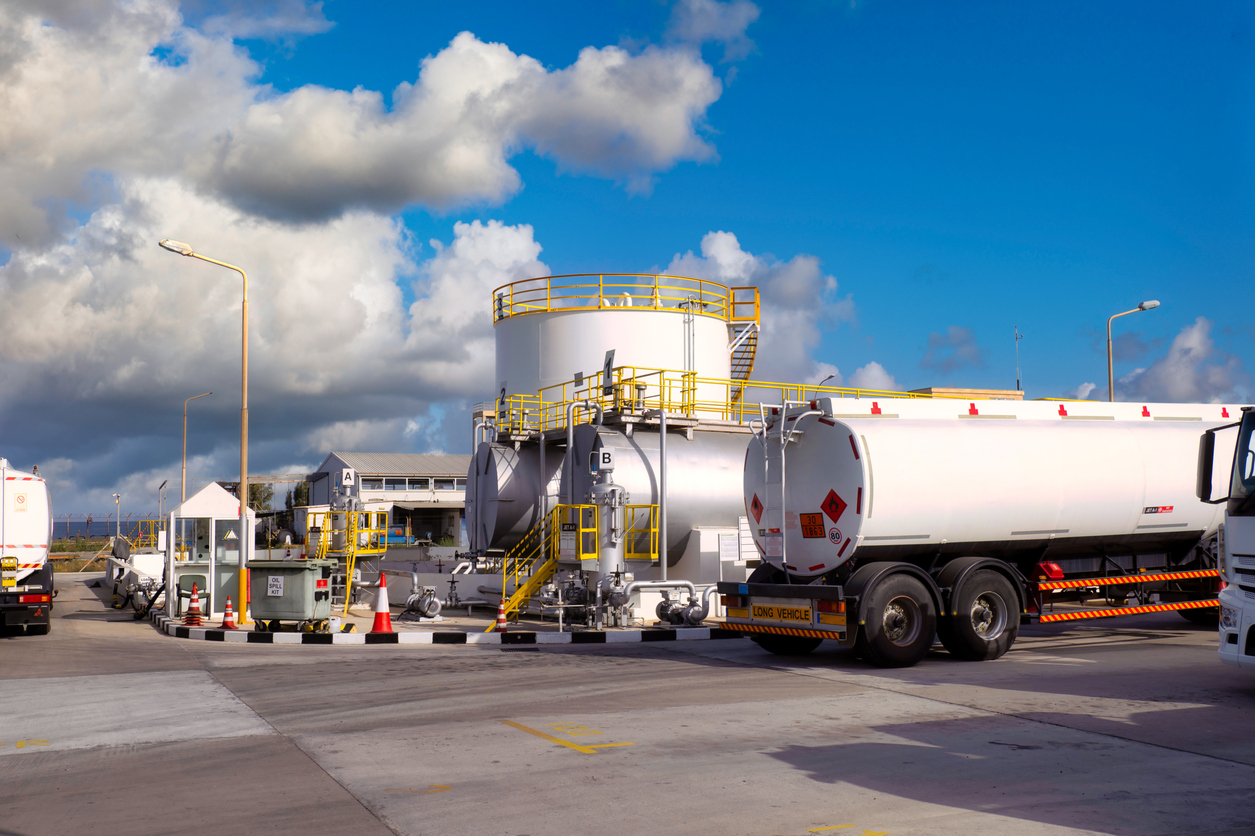
Fuel disruptions rarely come from a single cause. They are usually the outcome of geopolitical shocks, shipping constraints, insurance and finance pressures, refinery outages, or sudden regulatory changes. During periods of heightened uncertainty in the Middle East—where major producing, refining, and maritime transit routes influence global energy flows—companies that rely on diesel, petrol (gasoline), aviation fuel, LPG, or marine fuel often face higher price volatility and greater delivery risk.
Fuel supply security consulting helps businesses reduce exposure to these risks by strengthening procurement, logistics, storage planning, and supplier governance. For importers, distributors, industrial users, and FMCG operators with fuel-dependent fleets and cold chains, the goal is practical: maintain continuity, protect margins, and avoid operational downtime.
Understanding Fuel Supply Security in a Middle East Crisis Context
A Middle East crisis can affect fuel availability and reliability even for buyers located far outside the region. Common transmission channels include:
- Shipping disruption and route changes that increase transit times and freight costs
- Tighter marine insurance terms or higher war-risk premiums
- Port congestion and scheduling volatility that weakens delivery predictability
- Market rebalancing as cargos are redirected and spot demand spikes
- Payment and compliance friction as counterparties tighten controls
Fuel supply security is not just about having “more suppliers.” It is about building a supply system that can absorb shocks without forcing emergency purchases at the worst possible moment.
Why Fuel Supply Security Consulting Matters for African Trade and Logistics
Across African trade corridors, fuel reliability is closely linked to economic continuity. Fuel shortages or delayed deliveries can disrupt:
- Primary and secondary distribution to wholesalers and retailers
- Temperature-controlled logistics for food, beverages, and pharmaceuticals
- Manufacturing uptime and generator-dependent operations
- Port and inland transport cycles that underpin import/export schedules
Because many businesses buy fuel through a mix of spot purchases, local marketers, and import-linked supply, disruptions can cascade quickly. Fuel supply security consulting brings structure to procurement decisions, contract design, and logistics execution—so fuel planning supports the broader supply chain rather than reacting to it.
Fuel Supply Security Consulting: A Practical Risk Assessment Framework
A strong consulting approach starts with a clear diagnostic, often using a simple “risk-to-impact” map:
- Demand profile: volumes, seasonality, critical sites, and minimum operating levels
- Supply dependencies: key suppliers, refineries/depots, and single points of failure
- Logistics pathways: ports, storage locations, inland haulage routes, and contingencies
- Financial exposure: currency risk, payment terms, and working capital stress under price spikes
- Compliance and documentation: import permits, quality standards, HS codes, and safety requirements
The output is a prioritized action plan—what to fix first, what to monitor, and where to invest for resilience.
Supply Diversification Without Complexity Overload
Diversification works only when it is operationally manageable. Fuel supply security consulting typically recommends:
- Tiered supplier strategy: primary, secondary, and emergency suppliers with clear trigger points
- Contract mix: balanced exposure between term contracts and spot purchases
- Specification alignment: ensuring alternate suppliers can meet required fuel standards
- Geographic optionality: flexibility to load from different supply hubs when economics shift
For many buyers, the biggest mistake is diversifying suppliers but not diversifying logistics and financing options. A robust plan accounts for both.
Logistics Resilience: Shipping, Storage, and Last-Mile Reliability
When disruption risk rises, logistics details become the difference between continuity and downtime. Fuel supply security consulting commonly focuses on:
- Shipment planning: lead-time buffers, alternative routing, and realistic ETAs
- Storage strategy: minimum stock levels, tank integrity, and replenishment cadence
- Quality assurance: sampling protocols, handling standards, and contamination prevention
- Inland distribution planning: trucking capacity, security, and route reliability
For fuel-dependent FMCG distribution networks, the practical solution is often a combination of improved reorder points, dependable haulage capacity, and clear escalation procedures when schedules slip.
Commercial Controls That Protect You During Volatility
During crisis-linked volatility, commercial terms can either stabilize your operations or amplify risk. Key consulting actions include:
- Clear pricing formulas (index-linked where appropriate) and transparent adjustment rules
- Service level agreements (SLAs) for delivery windows, penalties, and dispute handling
- Credit and payment structuring that reduces cashflow shocks
- Force majeure clarity to avoid surprises when markets tighten
Good contract design is not about being aggressive—it is about avoiding ambiguity when conditions change.
How Wigmore Trading Supports Fuel Supply Security
Wigmore Trading supports businesses with end-to-end capabilities that align with fuel supply security consulting outcomes, including:
- Sourcing and supplier coordination to help clients access reliable supply channels
- Import and documentation support to reduce delays tied to permits, standards, and customs processes
- Logistics and distribution planning across key African trade routes, linking procurement to delivery execution
- Supply chain risk planning that integrates fuel needs with fleet, warehousing, and FMCG distribution requirements
This approach is especially useful for organizations that need both strategic guidance and practical implementation support—where procurement decisions must match real-world port, storage, and inland transport constraints.
Conclusion: Turning Fuel Risk Into a Managed Supply System
In periods of heightened uncertainty, fuel supply security is best treated as a supply chain discipline—not an emergency response. With the right consulting framework, businesses can reduce disruption exposure, improve delivery reliability, and make procurement decisions that hold up under volatility.
Wigmore Trading can help. Contact Wigmore Trading today to streamline your sourcing and strengthen supply continuity.






Comments are closed.