
How Food Supply Investors in Nigeria Can Build Profitable and Resilient Supply Chains

Nigeria’s food sector presents one of the most compelling investment opportunities in Africa. With a rapidly growing population, increasing urbanisation, and rising demand for processed and packaged goods, the need for efficient food supply systems has never been greater. For food supply investors in Nigeria, understanding the dynamics of sourcing, logistics, and distribution is essential to achieving sustainable returns.
This article explores the opportunities, challenges, and practical strategies investors can adopt to succeed in Nigeria’s food supply industry.
Understanding the Opportunity for Food Supply Investors in Nigeria
Nigeria’s food market is valued in the billions, driven by staples such as rice, wheat, maize, and processed foods. However, inefficiencies in the supply chain—ranging from post-harvest losses to poor logistics—create both risks and opportunities.
For investors, this means:
- Strong demand across wholesale and retail channels
- Opportunities in importation and local sourcing
- Growth in FMCG distribution networks
- Increasing need for structured supply chains
Investors who can bridge supply gaps and ensure consistent product availability stand to gain significant market share.
Key Challenges Facing Food Supply Investors in Nigeria
Despite the potential, the sector comes with operational complexities that must be addressed strategically.
1. Supply Chain Inefficiencies
Many food products are lost due to inadequate storage, transportation delays, and poor infrastructure. This directly affects profitability.
2. Import and Regulatory Compliance
Importing food products requires strict adherence to Nigerian regulations, including NAFDAC approvals, customs documentation, and quality standards.
3. Price Volatility
Fluctuations in global commodity prices and currency exchange rates can impact margins, particularly for import-dependent investors.
4. Distribution Bottlenecks
Reaching fragmented markets across Nigeria requires reliable distribution networks and strong local partnerships.
Strategies for Food Supply Investors in Nigeria to Succeed
To navigate these challenges, investors must adopt structured and scalable approaches.
Build Strong Sourcing Networks
Reliable sourcing is the foundation of a successful food supply business. Investors should diversify between:
- Local agricultural producers
- International suppliers
- Bulk commodity traders
Partnering with experienced sourcing companies can reduce risks related to quality and supplier reliability.
Invest in Efficient Logistics and Warehousing
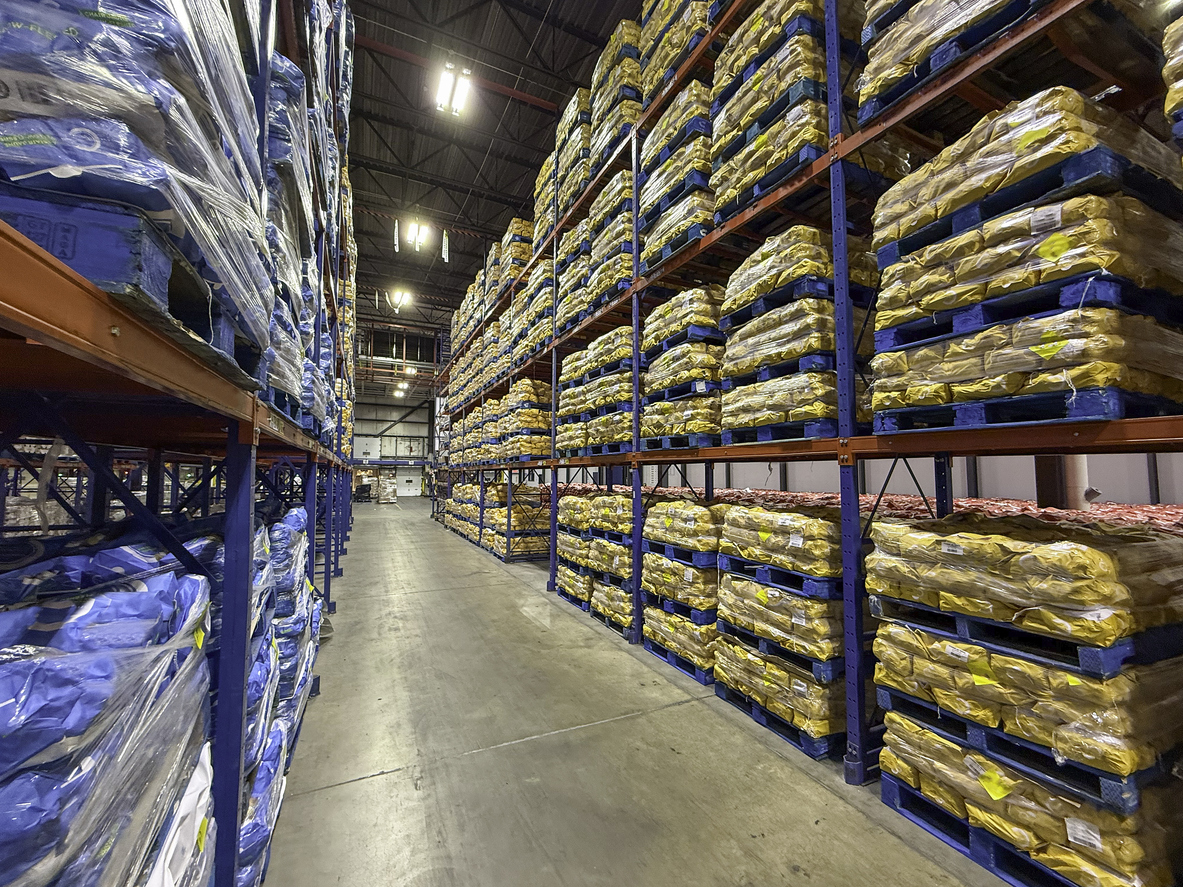
Logistics plays a critical role in maintaining product quality and reducing losses. Key considerations include:
- Temperature-controlled storage for perishables
- Strategic warehouse locations near demand centres
- Optimised transport routes to reduce delays
Efficient logistics systems not only improve margins but also enhance customer satisfaction.
Ensure Regulatory Compliance from the Start
Compliance is non-negotiable in Nigeria’s food sector. Investors should:
- Secure necessary certifications and permits
- Work with compliance experts to navigate import regulations
- Maintain proper documentation for all shipments
This reduces the risk of delays, fines, or product seizures.
Strengthen Distribution Channels
A strong distribution network ensures products reach the market efficiently. Investors can:
- Partner with established distributors
- Supply supermarkets, wholesalers, and open markets
- Leverage regional distribution hubs
This approach improves market penetration and ensures consistent sales flow.
The Role of Wigmore Trading in Supporting Food Supply Investors
For many investors, operational complexity can be a major barrier to entry. This is where working with an experienced partner becomes valuable.
Wigmore Trading supports food supply investors in Nigeria by providing:
- End-to-end sourcing of food commodities and FMCG products
- Import and export logistics management
- Regulatory compliance support
- Warehousing and distribution solutions
By streamlining these processes, investors can focus on scaling their business while reducing operational risks.
Market Trends Shaping Food Supply Investment in Nigeria
Understanding current trends can help investors make informed decisions.
Growth of Processed Foods
Demand for packaged and ready-to-eat foods is increasing, driven by urban lifestyles.
Expansion of Modern Retail
Supermarkets and retail chains are expanding, creating consistent demand for bulk supply.
Digital Supply Chain Solutions
Technology is improving inventory tracking, logistics planning, and supplier coordination.
Increased Focus on Food Security
Government policies are encouraging both local production and strategic imports, opening new investment pathways.
Conclusion
Nigeria’s food supply sector offers significant opportunities for investors willing to adopt structured and efficient approaches. While challenges such as logistics, compliance, and price volatility exist, they can be effectively managed with the right strategies and partnerships.
For food supply investors in Nigeria, success depends on building resilient supply chains, ensuring compliance, and maintaining strong distribution networks. With the right support, investors can unlock long-term growth and profitability in one of Africa’s most dynamic markets.
Wigmore Trading can help. Contact Wigmore Trading today to streamline your sourcing.





Comments are closed.