
How to Apply Herbicides Safely on the Farm: Best Practices for Effective Weed Control

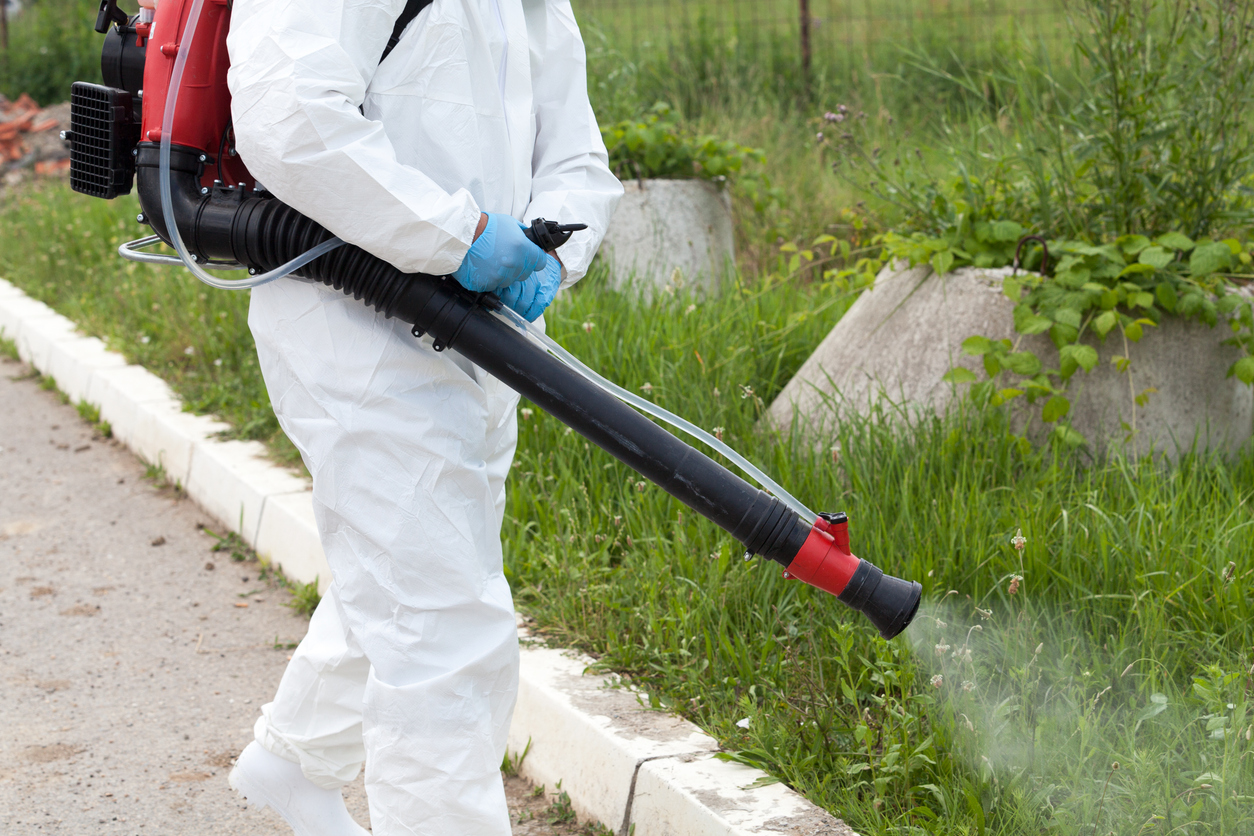
Effective weed control is essential for maintaining crop yields, protecting soil health, and ensuring long-term farm productivity. However, improper herbicide use can lead to crop damage, environmental harm, and serious health risks for farm workers. Understanding how to apply herbicides safely on the farm is therefore critical for any commercial or small-scale agricultural operation.
This guide outlines practical, proven steps to ensure safe, efficient, and compliant herbicide application—while showing how Wigmore Trading can support farmers with reliable agrochemical sourcing and supply solutions.
Why Safe Herbicide Application Matters on the Farm
Herbicides play a vital role in modern agriculture, especially in regions facing high weed pressure. When applied incorrectly, they can:
-
Damage crops through drift or overdosing
-
Contaminate soil and water sources
-
Harm livestock and beneficial insects
-
Pose health risks to applicators and nearby communities
Safe herbicide application protects not only your crops, but also your workforce, environment, and farm profitability.
Wigmore Trading can help farmers access quality-assured herbicides and professional guidance to minimize these risks.
Understand the Herbicide Label Before Application
One of the most overlooked but critical steps in learning how to apply herbicides safely on the farm is carefully reading the product label.
Always check:
-
Recommended dosage and dilution rates
-
Target crops and weeds
-
Application methods (sprayer type, timing)
-
Safety precautions and re-entry intervals
Labels are legally binding and designed to ensure safe and effective use. Using unapproved rates or methods increases the risk of crop injury and regulatory violations.
Wigmore Trading supplies herbicides with clear documentation and can assist buyers in selecting products appropriate for their specific crops and conditions.
Use the Right Protective Equipment When Applying Herbicides
Personal Protective Equipment (PPE) is essential for reducing exposure during mixing, loading, and spraying.
Minimum PPE typically includes:
-
Chemical-resistant gloves
-
Long-sleeved clothing and trousers
-
Protective boots
-
Face masks or respirators
-
Eye protection
Even low-toxicity herbicides can cause irritation or long-term health issues with repeated exposure. Ensuring proper PPE use is a core component of safe herbicide application on farms of all sizes.
Apply Herbicides Under Suitable Weather Conditions
Weather plays a major role in herbicide performance and safety.
Avoid application when:
-
Wind speeds are high (risk of spray drift)
-
Rain is expected shortly after spraying
-
Temperatures are extremely high
Calm, dry conditions improve weed absorption while reducing off-target damage. Monitoring weather forecasts before spraying is a simple but effective safety measure.
Farmers sourcing consistent, high-quality herbicides through Wigmore Trading benefit from predictable performance under recommended conditions.
Calibrate and Maintain Spraying Equipment
Incorrect sprayer calibration is a common cause of over-application or under-application.
Best practices include:
-
Regularly checking nozzle output and spray patterns
-
Ensuring even pressure across all nozzles
-
Cleaning equipment thoroughly after use
Proper calibration ensures the correct amount of herbicide reaches the target weeds—no more, no less. This reduces waste, lowers costs, and improves safety.
Store and Dispose of Herbicides Responsibly
Safe herbicide use extends beyond the field.
Storage guidelines:
-
Keep herbicides in original containers
-
Store in locked, well-ventilated areas
-
Keep away from food, feed, and water sources
Disposal guidelines:
-
Never pour leftover herbicide into drains or soil
-
Follow local regulations for container disposal
-
Rinse containers as instructed on the label
Responsible storage and disposal protect farm workers, livestock, and surrounding communities.
Train Farm Workers on Safe Herbicide Application
Training is essential for anyone involved in handling or applying herbicides.
Training should cover:
-
How to apply herbicides safely on the farm
-
Emergency procedures for spills or exposure
-
Correct mixing and application techniques
Well-trained teams reduce accidents, improve efficiency, and maintain compliance with agricultural safety standards.
Wigmore Trading works with agribusinesses and distributors that prioritize safe handling practices across African and international supply chains.
How Wigmore Trading Supports Safe and Reliable Herbicide Use
Wigmore Trading plays a key role in helping farmers and agribusinesses source quality agrochemicals safely and efficiently.
We provide:
-
Access to reputable herbicide brands
-
Reliable import and export logistics
-
Support for bulk and wholesale buyers
-
Supply solutions tailored to African markets
By partnering with Wigmore Trading, farmers and distributors can streamline sourcing while maintaining safety and regulatory compliance.
Final Thoughts on Applying Herbicides Safely on the Farm
Understanding how to apply herbicides safely on the farm is not just about protecting crops—it’s about safeguarding people, the environment, and long-term agricultural productivity. With the right knowledge, equipment, and supply partners, herbicides can be used responsibly and effectively.
Wigmore Trading can help. Get in touch with our team to learn more about sourcing reliable herbicides and agricultural inputs.






Comments are closed.