
How to Become a Semovita Distributor in Nigeria
Talk to us about this service
Trade, import, logistics, sourcing — whatever you're planning, the fastest way to a quote is a WhatsApp message. Our team replies during Lagos business hours.
WhatsApp usYour message tells us which page you came from
Semovita remains one of the most widely consumed staple foods in Nigeria, especially in urban households, restaurants, food service businesses, hotels, caterers, and retail stores. For entrepreneurs and FMCG buyers, understanding how to become a Semovita distributor in Nigeria can open access to a steady, high-demand food category with strong repeat purchase potential.
However, Semovita distribution is not simply about buying bags of product and reselling them. Successful distributors understand supply channels, pricing, storage, transportation, buyer credit terms, and regional demand patterns. They also know how to manage stock movement in a market where margins can be affected by fuel costs, inflation, currency pressure, and delivery delays.
Understanding the Semovita Market Before You Start
Semovita is commonly sold through supermarkets, open markets, neighborhood shops, wholesalers, foodstuff dealers, and institutional buyers. Demand is usually strongest in densely populated areas where families rely on convenient swallow foods for daily meals.
Before becoming a Semovita distributor, you should assess:
- Your target location and customer base
- Whether you want to supply retailers, wholesalers, caterers, or direct consumers
- Storage space and transport access
- Expected monthly sales volume
- Your ability to buy in bulk consistently
- Competition from existing foodstuff distributors
For example, a distributor in Lagos may face faster stock turnover but also higher logistics costs due to traffic, warehousing expenses, and delivery delays around busy commercial areas. In contrast, a distributor in smaller cities may enjoy lower operating costs but require stronger relationships with retailers to move stock quickly.
What Capital Do You Need to Become a Semovita Distributor?
The capital required depends on whether you want to operate as a small reseller, sub-distributor, or large FMCG distributor. A small foodstuff trader may start with limited stock, while a serious distributor will need enough capital for bulk purchase, warehousing, delivery, staff, and working cash.
Typical cost areas include:
- Initial stock purchase
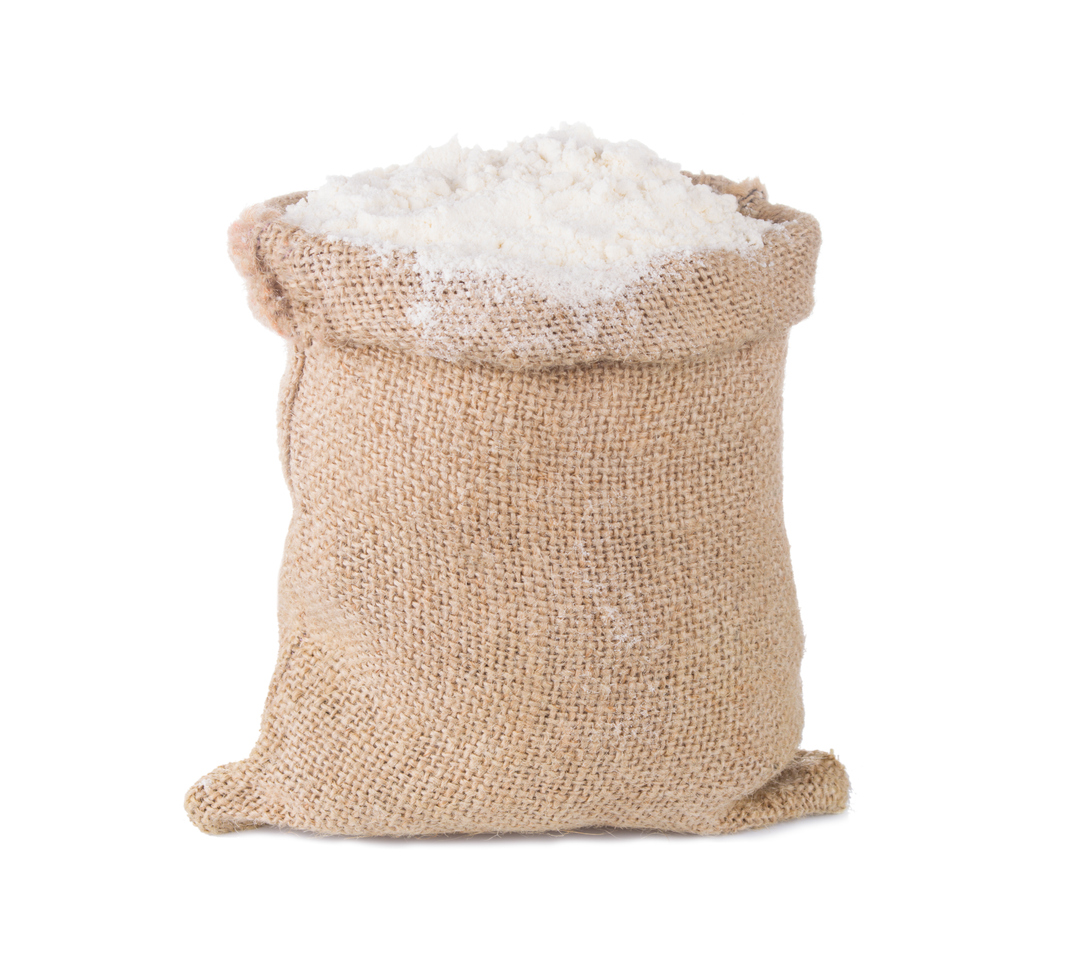
Semovita is usually supplied in cartons or bags, depending on the brand and packaging size. Bulk buying gives better margins but requires more upfront capital. - Storage and warehousing
Food products must be stored in a clean, dry, pest-free environment. Poor storage can damage packaging, reduce product quality, and lead to customer complaints. - Transport and delivery
Distributors need a reliable way to move goods to retailers, markets, supermarkets, and food service buyers. Delivery costs can reduce profit if pricing is not planned properly. - Business registration and compliance
Formal distributors often benefit from having a registered business, tax identification, business bank account, and proper invoicing system. - Credit management
Many retailers ask for goods on credit. This can help sales but also creates cash flow risk if payments are delayed.
How to Source Semovita for Distribution
The most important step in learning how to become a Semovita distributor in Nigeria is finding a reliable supply source. You may source directly from manufacturers, authorized wholesalers, FMCG suppliers, or procurement partners.
Before choosing a supplier, check:
- Product authenticity
- Consistent availability
- Minimum order quantity
- Wholesale pricing
- Delivery timelines
- Expiry dates and batch details
- Payment terms
- Ability to supply larger volumes as your business grows
Supplier reliability matters because stockouts can damage your reputation with retailers. If your customers cannot depend on you, they may quickly move to another distributor.
Wigmore Trading supports businesses with FMCG supply, procurement assistance, bulk sourcing, and logistics coordination. For buyers entering the Semovita market, working with an experienced sourcing partner can reduce supplier risk and help simplify stock procurement.
Building a Distribution Network That Actually Sells
Many new distributors focus only on buying stock. The real work is building a customer network that buys repeatedly.
Your potential customers may include:
- Foodstuff shops
- Market traders
- Mini-marts and supermarkets
- Restaurants and bukas
- Caterers
- Hotels
- Schools and canteens
- Wholesale buyers
- Regional resellers
Start by mapping active food markets, retail clusters, and high-consumption areas. Visit buyers directly, understand their preferred pack sizes, compare competitor prices, and ask how often they restock. Some retailers care most about price, while others value fast delivery and product availability.
A practical approach is to begin with a focused delivery route. For example, instead of trying to cover all of Lagos immediately, a distributor may start with Surulere, Yaba, Mushin, or Alaba retail clusters before expanding.
Pricing, Margins, and Cash Flow Control
Semovita distribution margins can be affected by purchase price, transport cost, fuel price, loading fees, market competition, and customer credit. A small margin can disappear quickly if deliveries are poorly planned.
To protect profit, distributors should:
- Buy in economic quantities
- Track landed cost per carton or bag
- Separate transport cost from product cost
- Avoid uncontrolled credit sales
- Monitor slow-moving stock
- Rotate inventory by expiry date
- Review prices when suppliers adjust rates
Cash flow is especially important in FMCG distribution. Even when sales look strong, too much unpaid credit can prevent you from restocking.
Storage and Inventory Mistakes to Avoid
Food distribution requires discipline. Semovita should not be stored in damp rooms, exposed to pests, or stacked carelessly. Damaged packaging can make retailers reject stock, even when the product inside is still usable.
Good inventory practice includes:
- Keeping stock off the floor
- Using pallets where possible
- Separating old and new stock
- Checking expiry dates regularly
- Keeping records of incoming and outgoing stock
- Protecting products from water, rodents, and excessive heat
These small operational habits help reduce losses and improve customer confidence.
Working With a Supply Partner Like Wigmore Trading
Businesses that want to become Semovita distributors may benefit from working with a partner that understands FMCG sourcing, bulk procurement, warehousing, and logistics coordination. Wigmore Trading helps businesses source and move products across Nigeria and wider African trade channels.
Whether you are starting as a regional distributor or expanding an existing foodstuff business, Wigmore Trading can support procurement planning, supplier coordination, bulk supply solutions, and logistics arrangements based on your business needs.
Getting Started as a Semovita Distributor
To begin, define your target market, estimate your capital, secure a reliable supplier, arrange proper storage, and build a clear sales route. Start with manageable volumes, track your costs carefully, and grow your customer base through reliable service.
For businesses looking for dependable Semovita sourcing and FMCG distribution support, Wigmore Trading can help streamline procurement and supply coordination. Get in touch with the Wigmore Trading team to discuss your bulk supply requirements.



Comments are closed.