
How to Start and Grow a Food Supply Startup in Nigeria Fast


Nigeria’s food supply chain is one of the largest and most dynamic in Africa, yet it remains fragmented and inefficient. This creates a strong opportunity for entrepreneurs looking to build a food supply startup in Nigeria. With rising urban populations, increasing demand for fast-moving consumer goods (FMCG), and a growing middle class, the sector offers significant commercial potential.
This guide explores the opportunities, challenges, and practical steps to launching and scaling a food supply business in Nigeria.
Understanding the Food Supply Startup in Nigeria Market
A food supply startup in Nigeria typically operates within sourcing, aggregation, distribution, or logistics of food products. These startups connect farmers, manufacturers, wholesalers, and retailers across the value chain.
Key market drivers include:
- Rapid urbanisation in cities like Lagos, Abuja, and Port Harcourt
- Growing demand for packaged and processed foods
- Increasing reliance on structured supply chains by supermarkets and restaurants
- Expansion of e-commerce and B2B distribution platforms
Despite this demand, inefficiencies such as poor storage, transportation delays, and inconsistent supply create gaps that startups can fill.
Key Opportunities in the Food Supply Sector
1. Agricultural Aggregation and Distribution
Many smallholder farmers struggle to access large markets. Startups can aggregate produce and supply directly to retailers, restaurants, and exporters.
2. FMCG Wholesale Supply
Retailers across Nigeria require reliable suppliers for packaged goods. A startup can focus on bulk sourcing and consistent distribution of FMCG products.
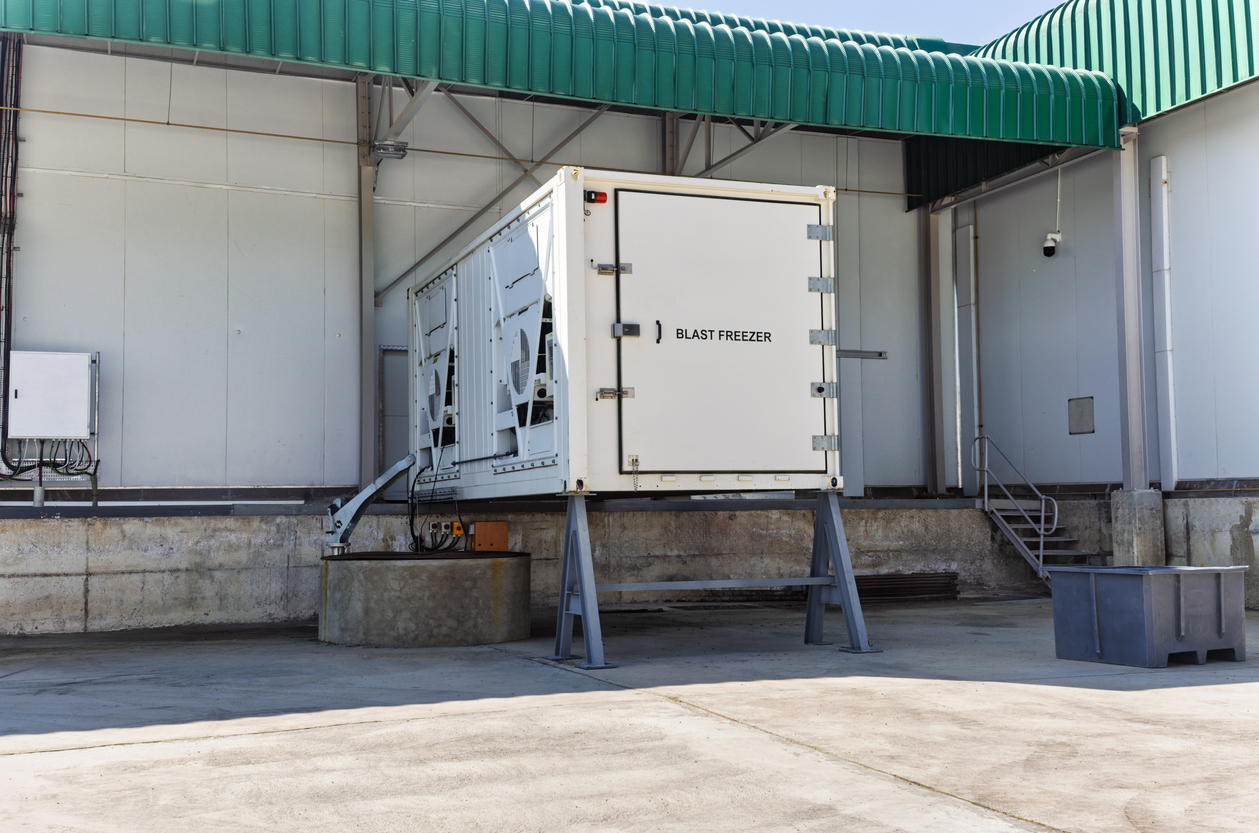
3. Cold Chain Logistics
Perishable goods like vegetables, dairy, and meat often suffer from poor storage. Investing in cold storage and temperature-controlled logistics can significantly reduce losses.
4. Import and Export Supply Chains
Nigeria imports large volumes of food products such as rice, wheat, and processed goods. Startups can build businesses around import sourcing and distribution, ensuring compliance and efficient logistics.
Wigmore Trading supports businesses in this space by helping source quality products globally and managing importation processes, reducing the complexity for startups entering international trade.
Challenges Facing Food Supply Startups in Nigeria
Infrastructure Limitations
Poor road networks, port congestion, and inconsistent power supply can disrupt operations and increase costs.
Supply Chain Fragmentation
The market is highly informal, with multiple intermediaries affecting pricing and transparency.
Regulatory Compliance
Food importation and distribution require adherence to regulations from agencies such as NAFDAC and SON.
Financing Constraints
Access to working capital remains a major barrier, especially for inventory-heavy businesses.
How to Build a Successful Food Supply Startup in Nigeria
1. Identify a Clear Niche
Instead of trying to serve the entire market, focus on a specific segment such as:
- Fresh produce supply
- Packaged FMCG distribution
- Institutional supply (hotels, restaurants, supermarkets)
A defined niche helps streamline operations and build expertise.
2. Build Strong Supplier Relationships
Reliable sourcing is critical. Whether working with local farmers or international manufacturers, consistency in quality and supply is essential.
Partnering with experienced sourcing companies like Wigmore Trading can help startups access vetted suppliers and maintain product standards.
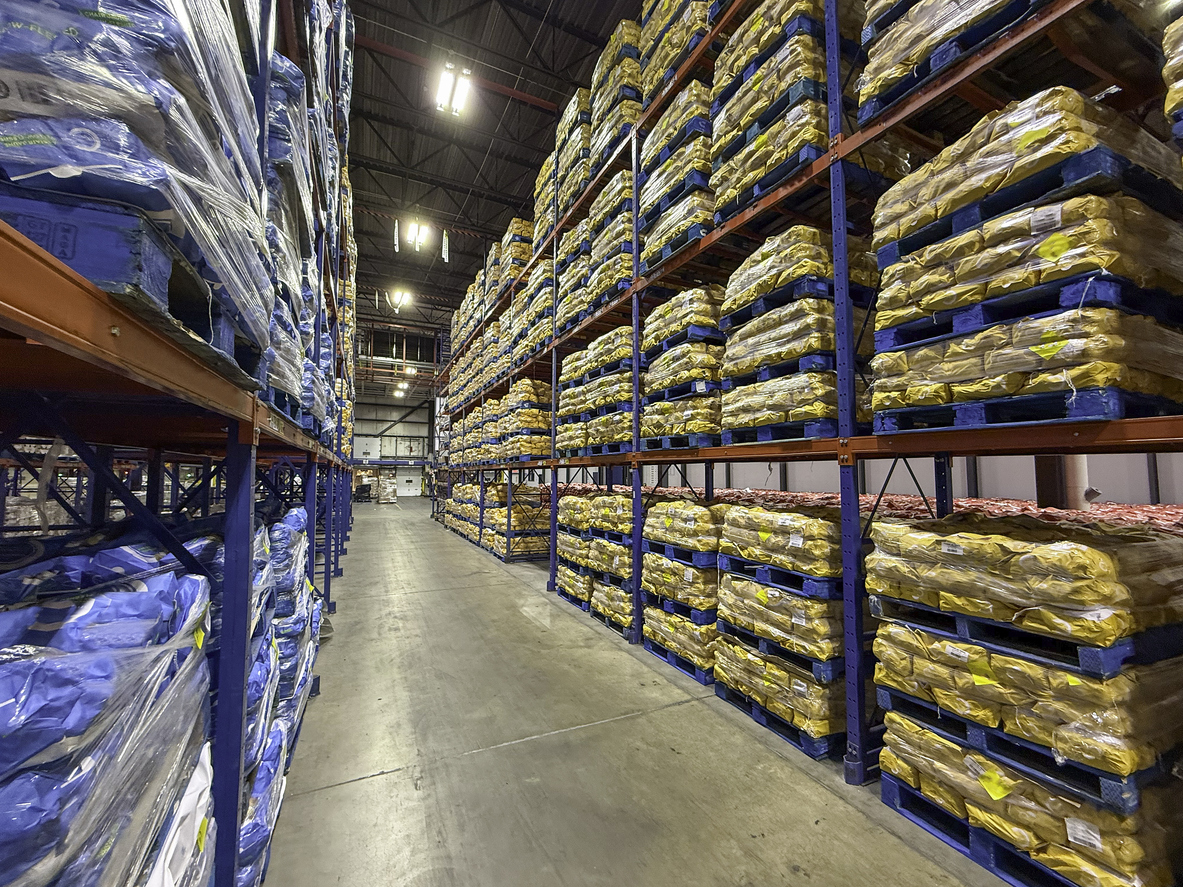
3. Invest in Logistics and Storage
Efficient transportation and warehousing directly impact profitability. Consider:
- Warehousing close to key markets
- Inventory management systems
- Reliable last-mile delivery networks
Where possible, outsourcing logistics to experienced partners can reduce operational risks.
4. Ensure Regulatory Compliance
Understanding and complying with Nigerian food regulations is non-negotiable. This includes:
- Product registration
- Import documentation
- Quality certifications
Working with a partner experienced in import/export compliance, such as Wigmore Trading, can simplify this process and prevent costly delays.
5. Leverage Technology
Technology can improve efficiency and transparency across the supply chain. Examples include:
- Order management systems
- Inventory tracking tools
- Digital payment solutions
- Data analytics for demand forecasting
Even simple digital tools can significantly improve operational performance.
Scaling a Food Supply Startup in Nigeria
Once the business achieves stability, scaling should focus on:
- Expanding product categories
- Increasing geographic coverage
- Strengthening partnerships with large retailers and distributors
- Improving supply chain efficiency
At this stage, working with established logistics and sourcing partners becomes even more important. Wigmore Trading can support scaling businesses with bulk sourcing, international procurement, and distribution expertise.
Conclusion
Launching a food supply startup in Nigeria presents a strong opportunity in a high-demand, fast-growing sector. While challenges such as infrastructure, financing, and compliance exist, they can be effectively managed with the right strategy and partnerships.
By focusing on a clear niche, building reliable supply chains, and leveraging experienced partners for sourcing and logistics, entrepreneurs can create sustainable and scalable businesses in Nigeria’s food sector.
Wigmore Trading can help. Contact Wigmore Trading today to streamline your sourcing.




Comments are closed.