
Interconnect Reporting in Nigeria: Ensuring Accuracy and Transparency in Telecom Operations
Talk to us about this service
Trade, import, logistics, sourcing — whatever you're planning, the fastest way to a quote is a WhatsApp message. Our team replies during Lagos business hours.
WhatsApp usYour message tells us which page you came from
Nigeria’s telecommunications industry depends on strong collaboration between network operators. One of the most critical processes enabling this collaboration is interconnect reporting in Nigeria, which ensures accurate tracking, billing, and settlement of traffic exchanged between telecom networks.
As traffic volumes grow and pricing models become more complex, reliable interconnect reporting is essential for revenue assurance, regulatory compliance, and operational efficiency.
What Is Interconnect Reporting?
Interconnect reporting refers to the process of collecting, analysing, and reconciling data related to telecom traffic exchanged between different network operators.
When a call, SMS, or data session originates on one network and terminates on another, both operators must track and report the transaction accurately. This data is then used for billing and settlement.
Why Interconnect Reporting in Nigeria Matters
The importance of interconnect reporting in Nigeria goes beyond simple record-keeping. It plays a central role in maintaining financial and operational integrity across the telecom ecosystem.
Key Benefits
- Accurate Revenue Tracking: Ensures operators are paid correctly for terminated traffic
- Dispute Reduction: Provides verifiable data for resolving inter-operator disagreements
- Regulatory Compliance: Aligns with Nigerian Communications Commission (NCC) requirements
- Fraud Detection: Identifies irregular traffic patterns or bypass activities
- Operational Transparency: Builds trust between telecom operators
How Interconnect Reporting Works
1. Data Collection
Telecom switches and network elements generate Call Detail Records (CDRs) for every transaction.
2. Mediation
Raw data is processed, filtered, and standardised to remove errors or duplicates.
3. Rating and Validation
The processed data is matched with tariff agreements and validated for accuracy.
4. Report Generation
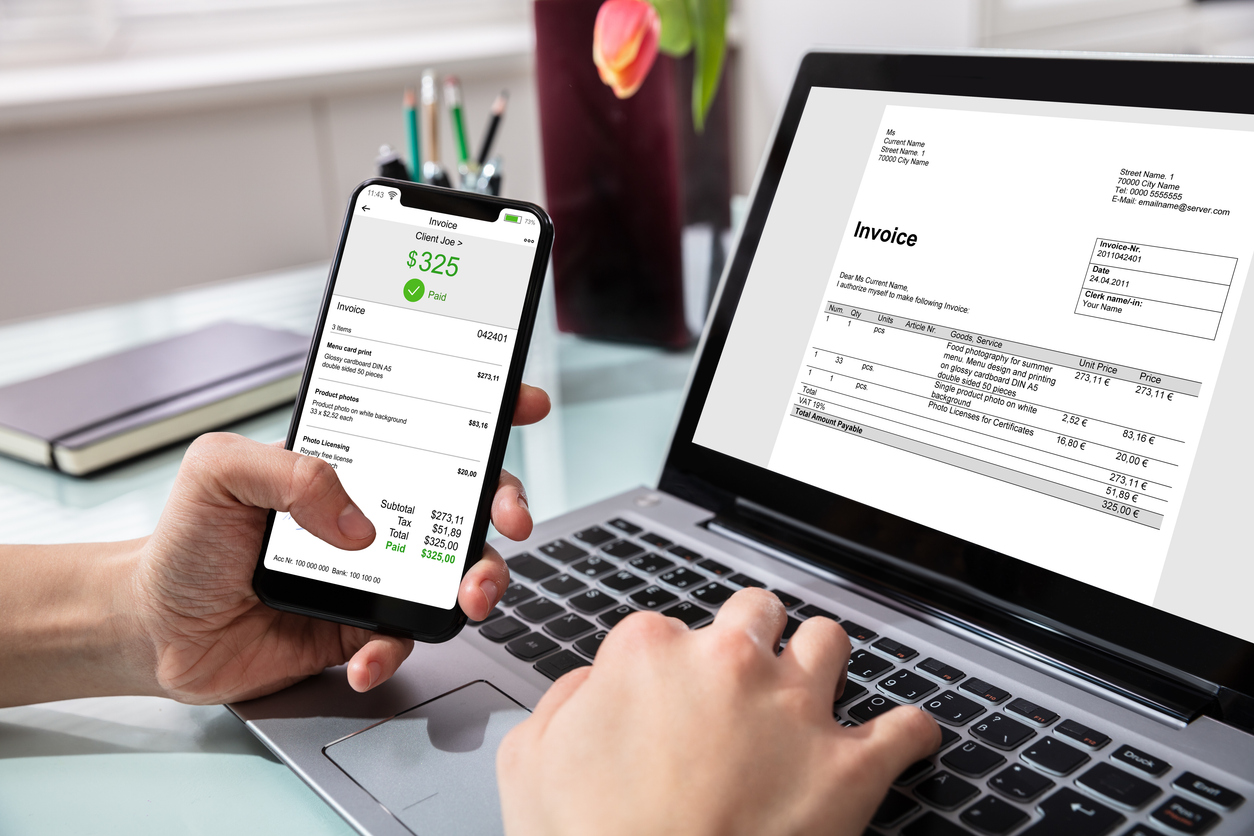
Operators produce detailed reports showing traffic volumes, durations, and charges.
5. Reconciliation and Settlement
Reports are compared between operators, and any discrepancies are resolved before financial settlement.
Challenges in Interconnect Reporting in Nigeria
Despite its importance, interconnect reporting presents several operational challenges.
Data Inconsistencies
Differences in how operators record and process data can lead to mismatches.
High Volume of Transactions
Nigeria’s large telecom market generates vast amounts of data, requiring scalable systems.
Fraud and Bypass Traffic
Unauthorised routing of calls can distort reporting and reduce revenue.
Delayed Reconciliation
Manual processes can slow down dispute resolution and settlement cycles.
Infrastructure Constraints
Reliable power supply, connectivity, and hardware performance remain key concerns.
Improving Interconnect Reporting Accuracy
To strengthen interconnect reporting in Nigeria, telecom operators can adopt several best practices:
Implement Advanced Mediation Systems
Modern mediation platforms ensure clean, standardised data before reporting.
Automate Reconciliation Processes
Automation reduces errors and speeds up settlement timelines.
Enhance Data Auditing
Regular audits help identify discrepancies early and maintain data integrity.
Strengthen Fraud Management Systems
Real-time monitoring tools can detect suspicious traffic patterns quickly.
Align with Regulatory Standards
Keeping systems updated with NCC requirements ensures compliance and reduces risk.
The Role of Logistics and Supply Chain in Telecom Operations
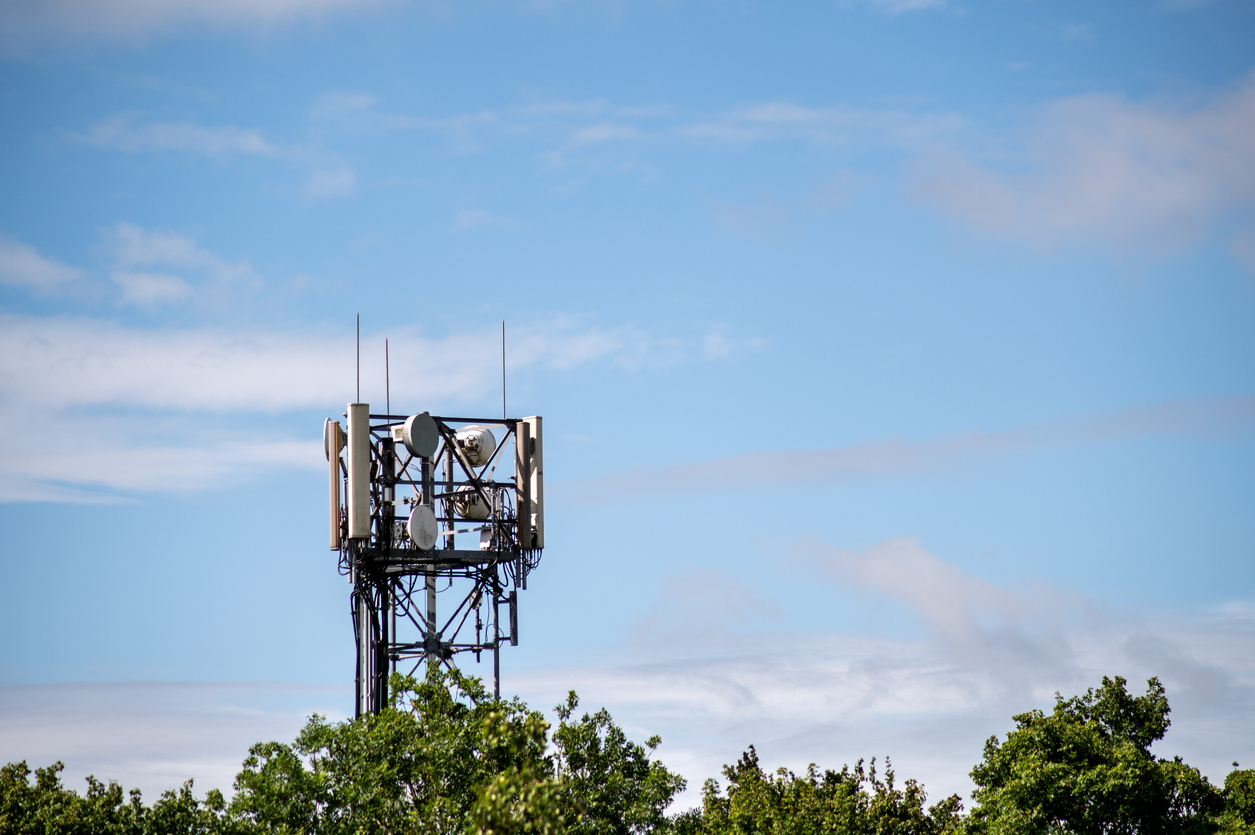
While interconnect reporting is primarily a digital process, it relies heavily on physical infrastructure such as servers, switching equipment, and data centres.
Efficient supply chain management ensures that these systems remain operational and scalable.
Wigmore Trading supports telecom operators in Nigeria by:
- Sourcing critical telecom hardware and infrastructure components
- Managing international procurement and import processes
- Handling customs clearance and regulatory compliance
- Providing warehousing and nationwide distribution
By ensuring timely delivery of essential equipment, Wigmore Trading helps telecom companies maintain the reliability of systems that support interconnect reporting and billing operations.
Future Trends in Interconnect Reporting
Nigeria’s telecom sector is evolving rapidly, and interconnect reporting systems are adapting to new demands.
Key trends include:
- Real-time reporting and analytics
- Cloud-based mediation and reporting platforms
- Integration with AI-driven fraud detection tools
- Increased regulatory oversight and standardisation
Operators that invest in these advancements will improve efficiency and reduce revenue leakage.
Conclusion
Interconnect reporting in Nigeria is a vital process that underpins accurate billing, fair revenue sharing, and regulatory compliance in the telecom sector. As the industry grows, the need for reliable, scalable, and transparent reporting systems becomes even more critical.
Combining robust digital systems with efficient logistics and infrastructure support enables telecom operators to maintain high performance and operational stability.
Wigmore Trading can help. Contact Wigmore Trading today to streamline your sourcing.
No Comments Yet.





Comments are closed.