
Manufacturing with Unreliable Electricity in Africa: Challenges and Practical Solutions

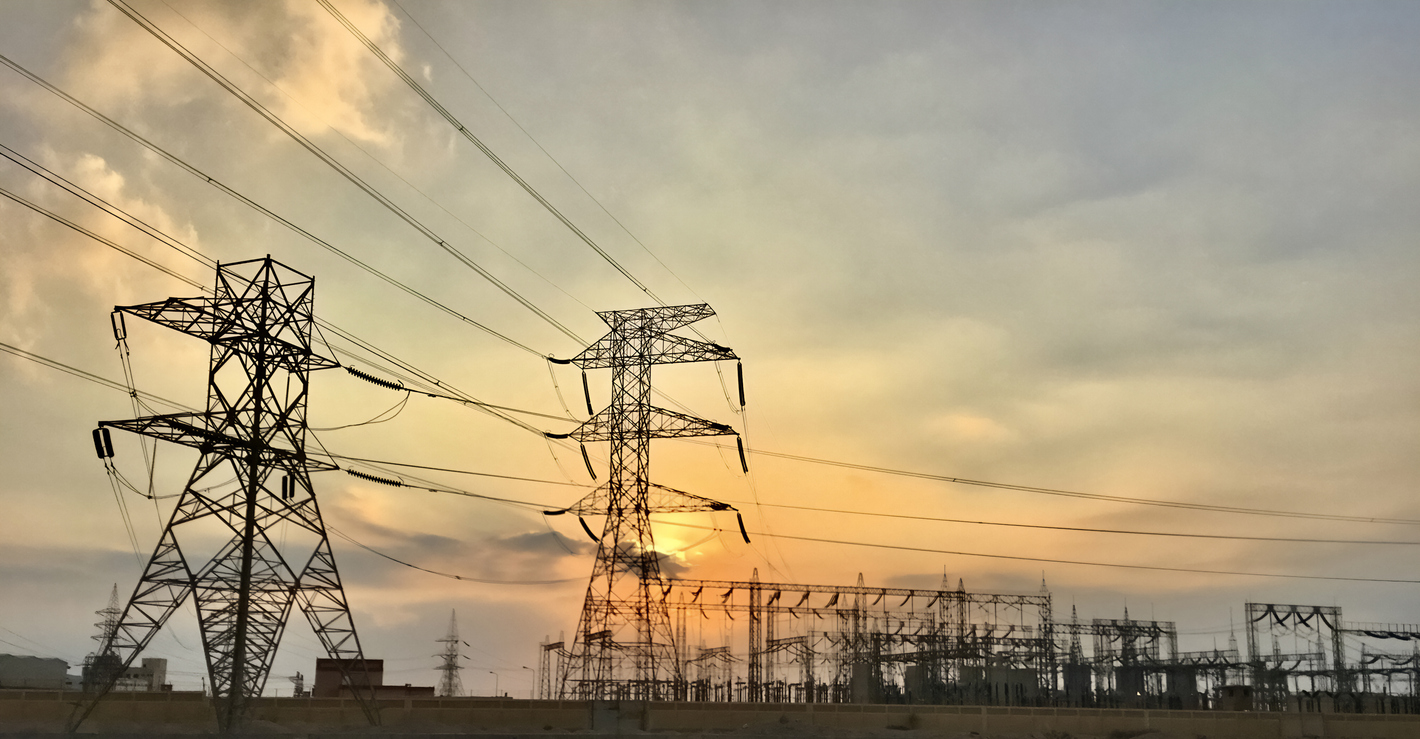
Manufacturing in Africa presents significant growth opportunities, driven by rising consumer demand, urbanisation, and expanding regional trade. However, one persistent barrier remains: unreliable electricity. For many manufacturers, inconsistent power supply increases operational costs, disrupts production schedules, and limits scalability.
Understanding how businesses can adapt to these constraints is critical for sustainable industrial growth across the continent.
The Impact of Unreliable Electricity on Manufacturing
Power instability affects nearly every stage of the manufacturing process. Frequent outages, voltage fluctuations, and limited grid access can lead to:
-
Production downtime: Interruptions halt machinery and delay output
-
Increased operating costs: Diesel generators and backup systems add significant expenses
-
Equipment damage: Voltage instability can reduce machinery lifespan
-
Supply chain disruptions: Delayed production affects distribution timelines
For sectors such as FMCG, food processing, and packaging, where consistency and speed are essential, these challenges can directly impact competitiveness in both local and export markets.
Common Coping Strategies Across Africa
Manufacturers across Africa have developed several strategies to manage unreliable electricity. While effective to varying degrees, each comes with trade-offs.
1. Backup Power Solutions
Many businesses rely on diesel or gas generators to maintain operations during outages. While this ensures continuity, fuel costs and maintenance requirements can significantly reduce profit margins.
2. Hybrid Energy Systems
Some manufacturers are adopting hybrid systems combining grid power with solar or battery storage. This approach reduces reliance on generators and provides more stable energy over time.
3. Load Management and Scheduling
Adjusting production schedules to align with periods of more stable electricity supply is another common strategy. However, this can limit operational flexibility and slow output.
4. Investment in Energy-Efficient Equipment
Modern machinery designed for lower energy consumption can reduce overall power demand, making operations more resilient during supply fluctuations.
The Role of Supply Chain Efficiency
While energy solutions are essential, improving supply chain efficiency is equally important in mitigating the impact of unreliable electricity.
Efficient sourcing, inventory management, and distribution can help manufacturers:
-
Reduce production pressure during outages
-
Maintain buffer stock to meet demand
-
Avoid costly delays in procurement
This is where experienced trade and logistics partners play a critical role.
How Wigmore Trading Supports Manufacturers
Wigmore Trading works with manufacturers across Africa to address operational challenges linked to unreliable electricity by strengthening supply chains and improving sourcing strategies.
Reliable Sourcing and Procurement
By ensuring timely access to raw materials and production inputs, Wigmore Trading helps manufacturers maintain consistent operations, even when production schedules are disrupted by power issues.
Efficient Distribution Networks
Strong logistics and distribution systems allow finished goods to move quickly to market, reducing the impact of production delays. This is particularly important in FMCG sectors where shelf availability is critical.
Inventory and Supply Planning
Wigmore Trading supports businesses in building resilient inventory strategies, helping maintain optimal stock levels that cushion against production interruptions.
Compliance and Import Support
For manufacturers relying on imported machinery or raw materials, navigating customs and regulatory requirements efficiently is essential. Wigmore Trading provides expertise to streamline these processes and avoid unnecessary delays.
Long-Term Outlook for Manufacturing in Africa
Efforts to improve electricity infrastructure across Africa are ongoing, with increased investment in renewable energy and grid expansion. However, in the short to medium term, manufacturers must continue to operate within existing constraints.
Success will depend on a combination of:
-
Energy diversification strategies
-
Operational efficiency improvements
-
Strong supply chain partnerships
Businesses that proactively adapt are better positioned to scale and remain competitive in both domestic and international markets.
Conclusion
Manufacturing with unreliable electricity in Africa remains a complex challenge, but it is not insurmountable. By combining energy solutions with efficient supply chain management, businesses can minimise disruptions and maintain consistent production.
Strategic partnerships play a key role in this process, helping manufacturers navigate sourcing, logistics, and distribution challenges effectively.
Wigmore Trading can help. Contact Wigmore Trading today to streamline your sourcing.




Comments are closed.