
Get Your Brand into Nigerian Supermarkets: Listing and Merchandising
Talk to us about this service
Trade, import, logistics, sourcing — whatever you're planning, the fastest way to a quote is a WhatsApp message. Our team replies during Lagos business hours.
WhatsApp usYour message tells us which page you came from
Getting your brand into Nigerian stores involves more than finding a buyer’s email address. The buyer needs a product that fits the category, a credible selling price, compliant packaging, enough shelf life and a supplier who can replenish reliably. The brand needs to know that listing fees, promotions, credit and returns still leave a viable margin.
If you supply Nigerian retailers from the UK, USA or Europe, Wigmore Trading can help you discuss distribution and sales support. Prepare the commercial offer before seeking shelf placement in Lagos supermarkets.
Build a retail-ready product dossier
Give the buyer a concise product presentation showing customer need, category positioning, pack size, barcode, carton quantity, recommended storage and shelf life. Include manufacturer and brand-owner details, relevant registration evidence and approved marketing material. Do not make unsupported health or performance claims to win a listing.
Provide a reliable order and delivery contact in Nigeria. An overseas factory’s production date is not a local delivery commitment. Explain where stock will be held, how orders are placed, minimum delivery quantity and what happens if an item is unavailable.
Separate the shelf price from your net return
Work through each deduction before agreeing a supply price. Retailer margin, introductory discounts, promotional funding, listing or display fees where applicable, local delivery, damaged goods and returns can materially affect the result. Understand whether the buyer purchases outright, requests credit or proposes sale-or-return.
For example, a promotion can increase movement while reducing contribution per unit. Decide how much support you can afford and how you will measure whether customers reorder afterwards. A high initial delivery is not evidence of sustainable consumer demand.
| Buyer question | Evidence to prepare |
|---|---|
| Why should this product receive shelf space? | Customer use case, competitor comparison and research findings |
| Can you keep stock available? | Local inventory, reorder point and realistic replenishment lead time |
| What will the retailer earn? | Trade price, proposed shelf price and promotion assumptions |
| What if stock expires or is damaged? | Written inspection, returns and credit-note procedure |
| How will the brand support demand? | Approved merchandising plan, training and measurable launch actions |
Merchandising after the listing
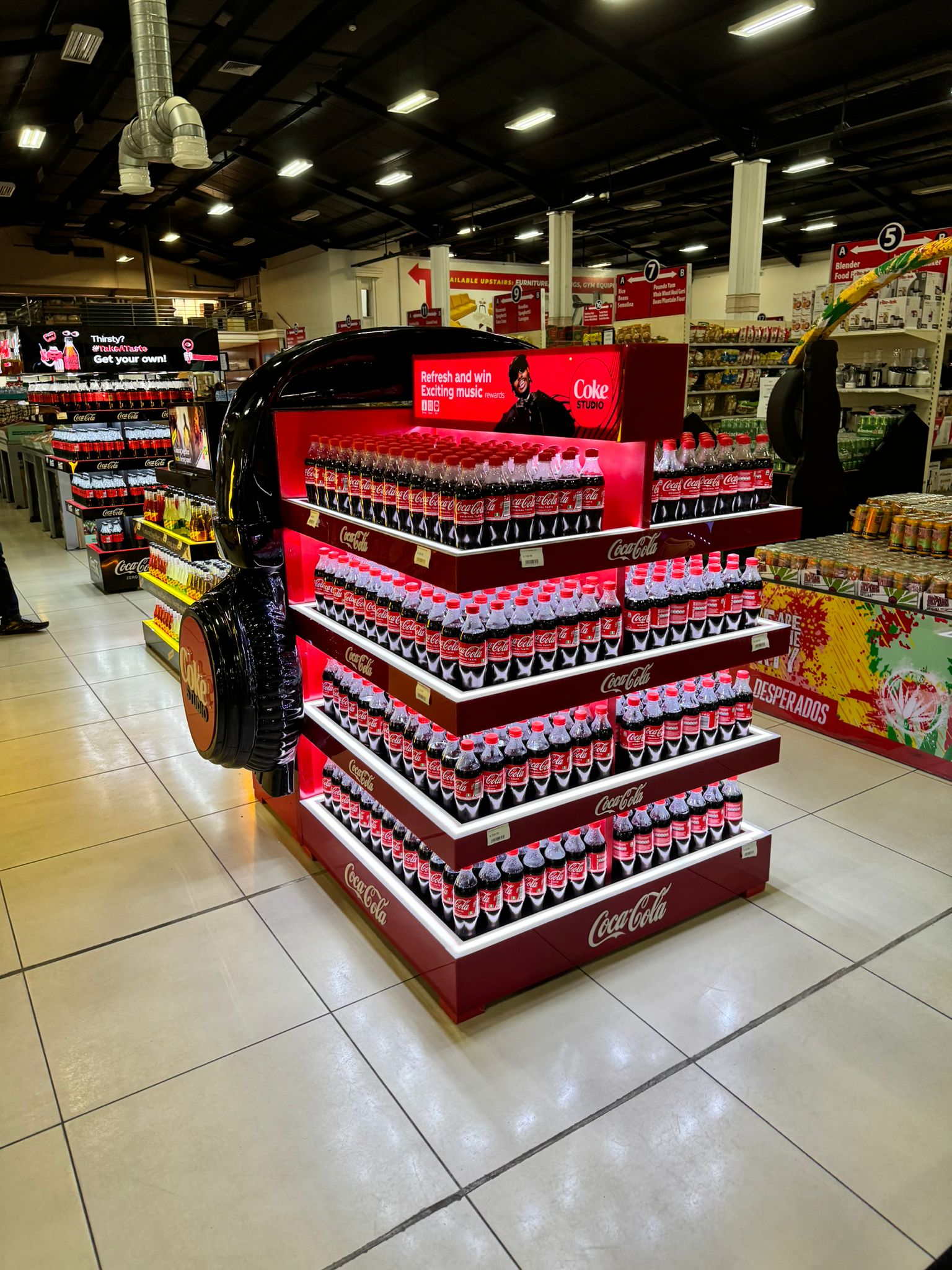
Merchandising helps the product remain visible, correctly priced and available after it enters the store. Agree a visit plan, shelf checks, stock rotation, display instructions and photographic reporting where the retailer permits it. Track missing price labels, damaged packs, stock held in the back room and items nearing expiry.
Shelf placement, additional displays and promotional space remain subject to the retailer’s agreement. A distribution partner cannot promise a specific supermarket listing or permanent shelf position before the buyer approves it. Avoid treating access to an outlet as a guaranteed commercial result.
Plan replenishment and returns together
A product that sells well but runs out repeatedly can lose momentum. Set reorder points around delivery lead time, minimum order quantities and shelf life. Use batch-level stock control and first-expiry-first-out where appropriate. Confirm how stock transfers, returns and recalls are recorded.
Agree which party carries retailer credit risk and who follows up overdue accounts. Distinguish invoices issued, goods accepted, sales credited and cash received. Reports should allow you to reconcile sales activity with remaining stock and the amount ultimately payable to the brand.
Start with the outlets that fit your customer
A focused launch may provide better evidence than spreading a small shipment across too many stores. Choose outlets based on customer profile, category performance, location and replenishment practicality. Compare results by store type rather than averaging away important differences.
Use local demand research to refine the assortment and a distributor agreement to allocate launch work. Marketing can include product education, approved sampling, digital activity and brand ambassadorship, but the programme should have a purpose, budget and performance measure for each activity.
How Wigmore Trading can help
Wigmore Trading connects market-entry planning with practical distribution, sales support, storage and logistics. Start with a defined scope so that the commercial proposal identifies the services, responsible parties, costs and deliverables that apply to your product.
Wigmore can discuss retail distribution and marketing support for a suitable brand. Share your product list, origin, target shelf price, available quantities and intended launch locations so the team can assess a practical route to buyers.

Comments are closed.