
Microgrid Solutions in Venezuela: Opportunities, Challenges, and Business Potential

Introduction
Microgrid solutions in Venezuela are gaining attention as the country continues to face persistent electricity challenges. With frequent outages, aging infrastructure, and heavy reliance on hydropower, businesses and communities are increasingly exploring decentralised energy systems as a reliable alternative.
For importers, distributors, and industrial operators, microgrids present not just an energy solution but also a strategic investment in operational resilience. This article explores the current landscape, opportunities, and how businesses can effectively implement microgrid solutions in Venezuela.
Understanding the Energy Landscape in Venezuela
Venezuela’s energy sector has long depended on large-scale hydropower, particularly the Guri Dam, which supplies the majority of the country’s electricity. However, droughts, underinvestment, and infrastructure issues have led to repeated blackouts and instability.
In recent years, power shortages have affected a significant portion of households and businesses, with up to 68% experiencing disruptions in 2023.
This unstable environment has accelerated the need for decentralised energy systems, including microgrids, to support industrial, commercial, and residential demand.
What Are Microgrid Solutions and Why They Matter
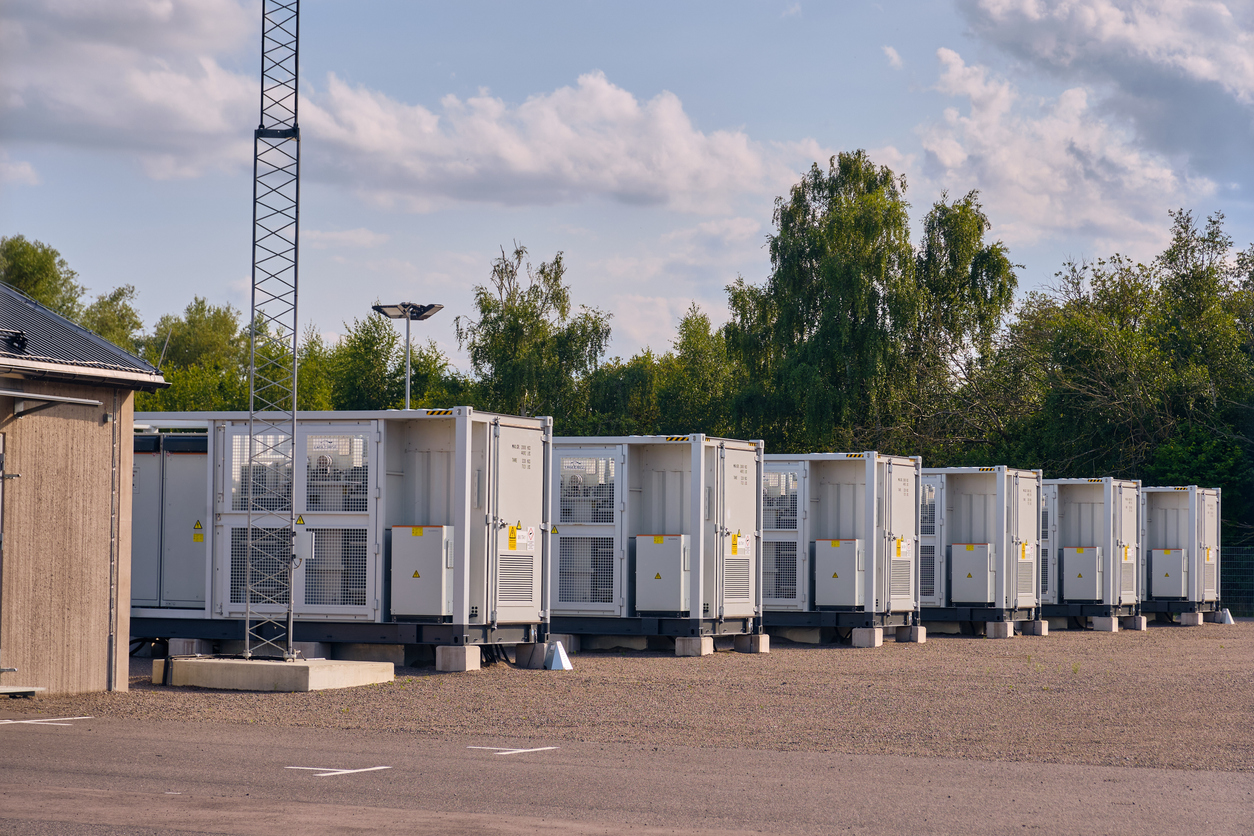
Microgrid solutions are small-scale, localised energy systems that can operate independently or alongside the national grid. They typically integrate renewable sources such as solar or wind with battery storage and smart energy management systems.
In Venezuela, microgrids are particularly valuable because they can:
- Operate in “island mode” during grid failures
- Reduce dependence on unreliable national infrastructure
- Support critical operations in industries and logistics hubs
- Enable electrification in remote or underserved areas
Decentralised systems are increasingly viewed as a practical way to stabilise power supply while the national grid undergoes long-term upgrades.
Key Types of Microgrid Solutions in Venezuela
Solar Microgrid Systems
Solar microgrids are the most viable solution due to Venezuela’s strong solar irradiance levels (4.8–5.4 kWh/m²/day).
These systems are widely used for:
- Rural electrification
- Commercial facilities
- Warehousing and cold storage
Hybrid Microgrids (Solar + Diesel + Storage)
Hybrid systems combine renewable energy with backup diesel generators and battery storage. This approach ensures consistent power even during low solar generation or peak demand.
Industrial and Commercial Microgrids
Manufacturing plants, ports, and logistics hubs are increasingly adopting microgrids to maintain uptime and reduce operational risk. Energy storage systems and smart controls allow efficient load management and cost optimisation.
Challenges Facing Microgrid Adoption
Despite their potential, microgrid solutions in Venezuela face several challenges:
1. Limited Investment and Financing
Access to capital remains a major barrier. Although solar energy is cost-effective, upfront installation costs can be high.
2. Regulatory and Policy Uncertainty
Inconsistent policies and lack of clear frameworks for private energy projects can slow deployment.
3. Supply Chain Constraints
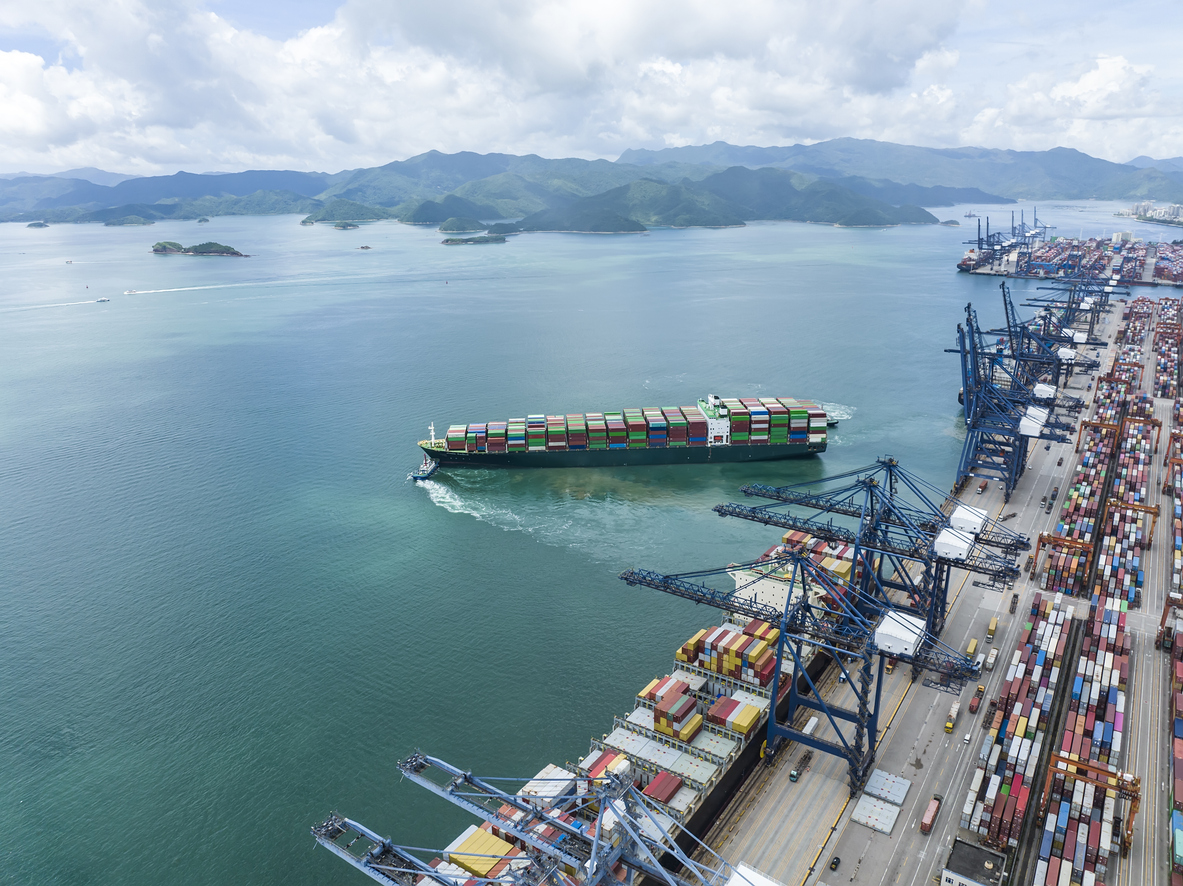
Importing solar panels, batteries, and control systems can be complex due to logistics, currency issues, and regulatory hurdles.
4. Technical Expertise and Maintenance
Microgrid systems require skilled installation, monitoring, and maintenance to ensure long-term performance.
Opportunities for Businesses and Investors
Despite these challenges, the market for microgrid solutions in Venezuela presents strong opportunities:
- Industrial resilience: Businesses can avoid costly downtime
- Rural electrification projects: Over 2,000 communities still lack reliable electricity access
- Renewable energy growth: Solar and wind potential remain largely untapped
- Private sector participation: Decentralised systems can attract new investment
For wholesalers and distributors, this also opens opportunities in importing and supplying solar components, batteries, and electrical infrastructure.
How Wigmore Trading Supports Microgrid Projects
Implementing microgrid solutions requires efficient sourcing, logistics, and regulatory compliance—areas where experienced partners are essential.
Wigmore Trading supports businesses by:
- Sourcing high-quality solar panels, batteries, and electrical components from global suppliers
- Managing import/export logistics, ensuring timely delivery into challenging markets
- Navigating compliance and documentation for energy equipment
- Supporting distribution networks across emerging markets
For companies looking to deploy microgrid systems in Venezuela, working with a reliable trading and logistics partner can significantly reduce risk and streamline operations.
Conclusion
Microgrid solutions in Venezuela offer a practical and scalable approach to addressing the country’s ongoing energy challenges. With strong renewable potential and increasing demand for reliable power, microgrids are becoming essential for businesses, communities, and investors alike.
While challenges such as financing and logistics remain, the opportunities for growth and impact are substantial—particularly for companies willing to invest in decentralised energy systems.
Wigmore Trading can help. Contact Wigmore Trading today to streamline your sourcing.




Comments are closed.