
Venezuela Port Services: A Strategic Guide for Importers and Exporters
Talk to us about this service
Trade, import, logistics, sourcing — whatever you're planning, the fastest way to a quote is a WhatsApp message. Our team replies during Lagos business hours.
WhatsApp usYour message tells us which page you came from
Introduction
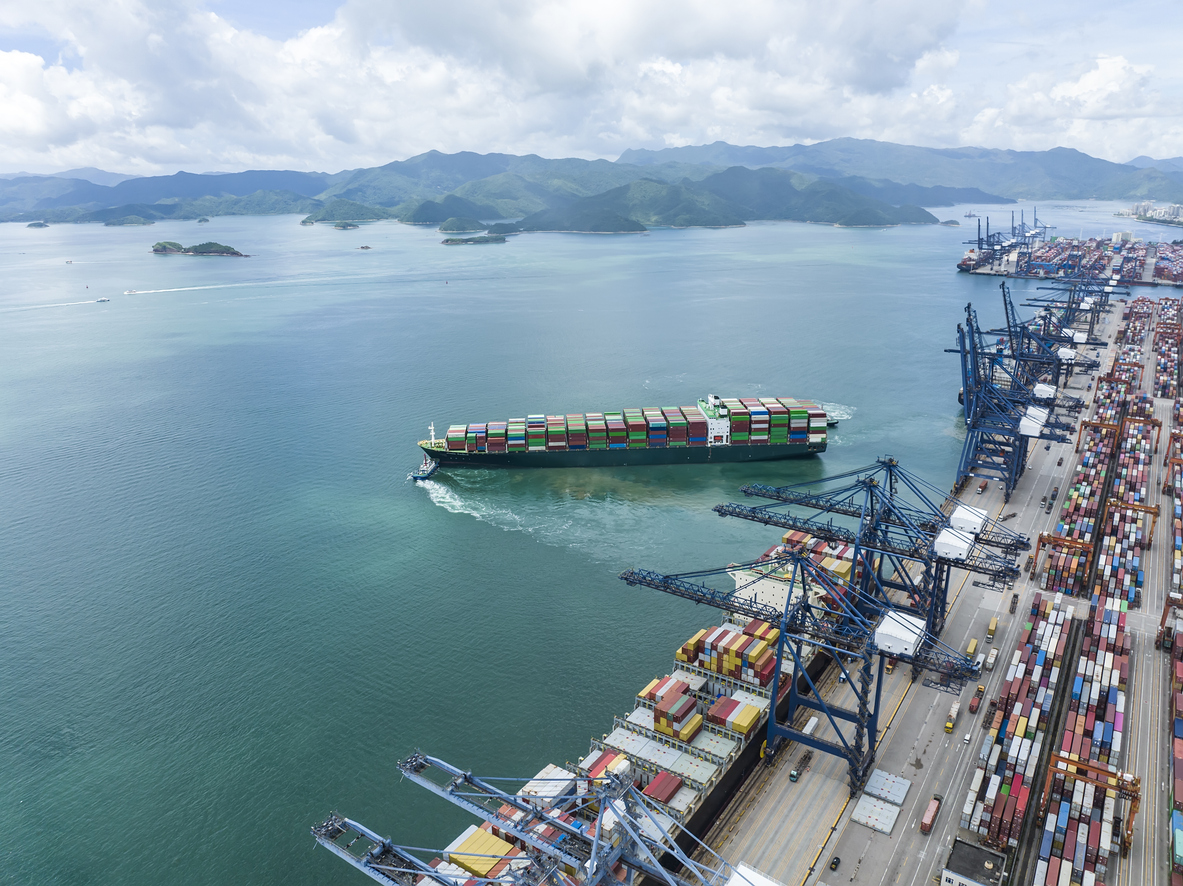
Venezuela port services play a critical role in facilitating international trade across Latin America and the Caribbean. With an extensive coastline of approximately 2,800 km and access to key global shipping routes, Venezuela’s ports support the movement of oil, minerals, agricultural goods, and general cargo.
For businesses involved in import/export, wholesale distribution, or FMCG supply chains, understanding how Venezuela port services operate is essential for efficient logistics planning and risk management.
Overview of Venezuela Port Services
Venezuela port services encompass a wide range of logistics functions, including:
- Cargo handling (containerised, bulk, and breakbulk)
- Warehousing and storage facilities
- Customs clearance and regulatory compliance
- Freight forwarding and inland transportation
- Vessel handling and terminal operations
Many ports also offer bonded and temperature-controlled storage, which is crucial for perishable and pharmaceutical goods.
These services collectively ensure that goods can move efficiently between Venezuela and international markets.
Key Ports Supporting Venezuela Port Services
1. Port of La Guaira
Located near Caracas, La Guaira is one of the primary gateways for imports and general cargo. It handles a significant share of container traffic and is vital for consumer goods entering the country.
2. Port of Puerto Cabello
Puerto Cabello is widely regarded as the busiest port in Venezuela, with strong infrastructure for handling diverse cargo types.
3. Port of Maracaibo
This port is a key export hub, particularly for oil and petrochemical products. It also supports general cargo and regional trade connections.
4. Secondary and Regional Ports
Ports such as Guanta, Guiria, and Ciudad Bolívar provide regional connectivity and support exports of agricultural goods, minerals, and oil derivatives.
These ports connect Venezuela to markets in North America, Europe, and Asia through feeder and transshipment routes.
Challenges in Venezuela Port Services
Despite its strategic location, Venezuela port services face several operational challenges:
Infrastructure Constraints
Economic difficulties have impacted port maintenance and modernization, leading to inefficiencies in cargo handling and longer turnaround times.
Reduced Global Connectivity
Some international shipping lines have reduced direct calls, increasing reliance on regional feeder services.
Regulatory Complexity
Import/export procedures can be complex, requiring accurate documentation and compliance with local regulations.
Delays and Congestion
Limited equipment and operational inefficiencies can result in delays, affecting supply chain reliability.
Solutions for Efficient Port Operations
To navigate these challenges, businesses should adopt practical strategies:
1. Partner with Experienced Logistics Providers
Working with a reliable logistics partner ensures proper documentation, customs clearance, and cargo tracking.
2. Use Multi-Port Strategies
Diversifying entry and exit points can reduce congestion risks and improve delivery timelines.
3. Plan for Lead Time Variability
Allowing buffer time in supply chain planning helps mitigate unexpected delays.
4. Leverage Integrated Supply Chain Services
End-to-end solutions covering sourcing, shipping, warehousing, and distribution improve efficiency and cost control.
Wigmore Trading supports businesses with coordinated logistics solutions, helping clients manage sourcing, shipping, and distribution across complex markets like Venezuela.
Opportunities in Venezuela Port Services
Despite challenges, Venezuela remains an important trading hub due to:
- Strong oil and mineral export capacity
- Strategic Caribbean location
- Access to regional and global shipping routes
- Growing demand for imported consumer goods
Ports continue to facilitate trade in sectors such as FMCG, agriculture, and industrial goods, creating opportunities for international suppliers.
Conclusion
Venezuela port services are a vital component of the country’s trade infrastructure, offering access to key international markets. While operational challenges exist, businesses that plan strategically and work with experienced logistics partners can successfully navigate the environment.
By leveraging reliable port services, efficient supply chain management, and local expertise, importers and exporters can unlock opportunities in Venezuela’s evolving trade landscape.
Wigmore Trading can help streamline sourcing, logistics, and distribution, ensuring your operations remain efficient and compliant.
No Comments Yet.

Comments are closed.