
Reliable Food Distribution Partnership in Nigeria: Key Strategies for Businesses

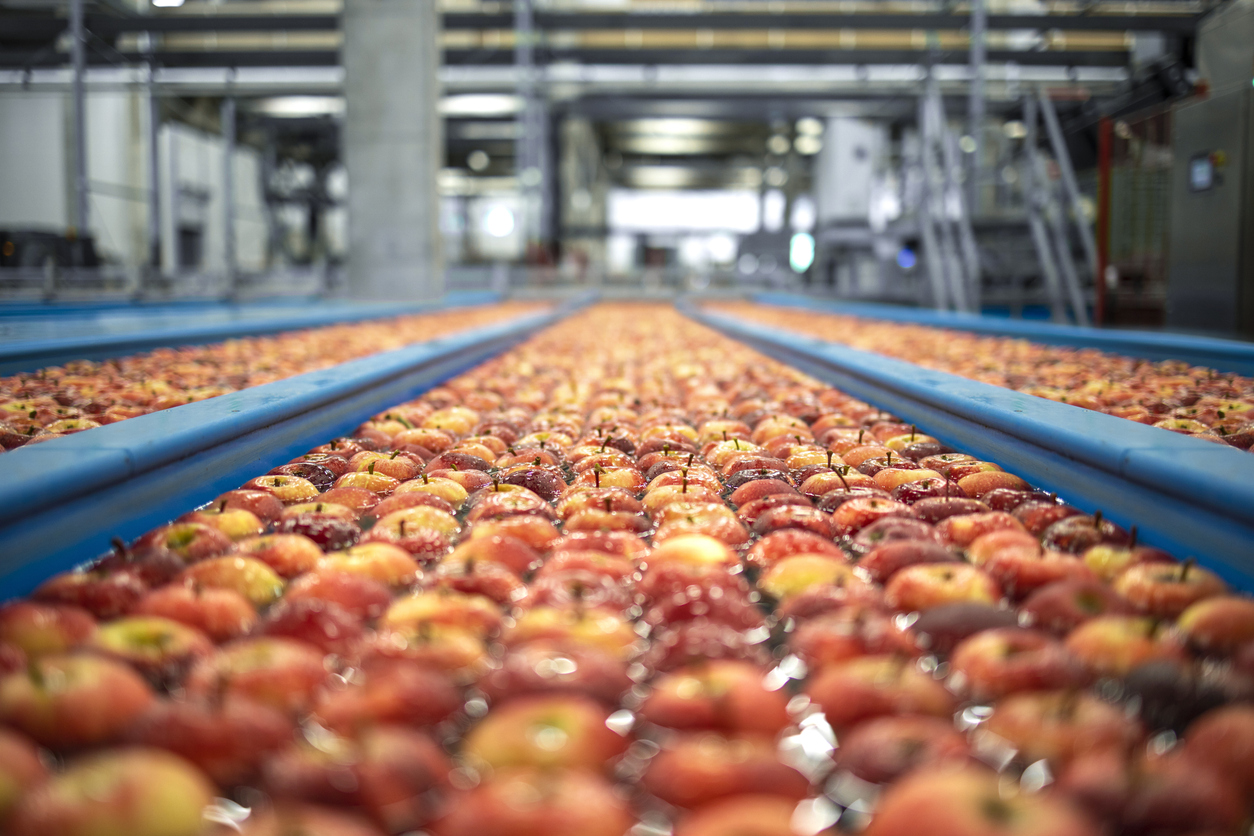
Nigeria’s food supply chain is one of the largest and most dynamic in Africa, driven by rapid urbanisation, population growth, and increasing demand for fast-moving consumer goods (FMCG). However, businesses looking to scale in this sector often face significant challenges, including fragmented logistics networks, inconsistent supply, and regulatory complexities.
Establishing a food distribution partnership in Nigeria can be a strategic solution for manufacturers, wholesalers, and international suppliers seeking efficient market entry and growth. This article explores how to build effective partnerships, common challenges, and practical strategies for success.
Understanding the Nigerian Food Distribution Landscape
Nigeria’s food distribution ecosystem is highly decentralised. Products move through multiple layers—from importers and manufacturers to distributors, wholesalers, and retailers. While this structure enables broad market reach, it can also lead to inefficiencies such as delays, product spoilage, and inconsistent pricing.
Key characteristics of the market include:
- Strong reliance on informal distribution channels
- High demand for staple foods and packaged FMCG products
- Regional differences in infrastructure and consumer preferences
- Increasing demand for imported and premium food products
For businesses entering this market, partnering with an experienced distributor is often more effective than building a supply chain from scratch.
Why a Food Distribution Partnership in Nigeria Matters
A well-structured food distribution partnership in Nigeria provides several advantages:
1. Market Access
Local distribution partners already have established networks, enabling faster penetration into retail and wholesale markets.
2. Cost Efficiency
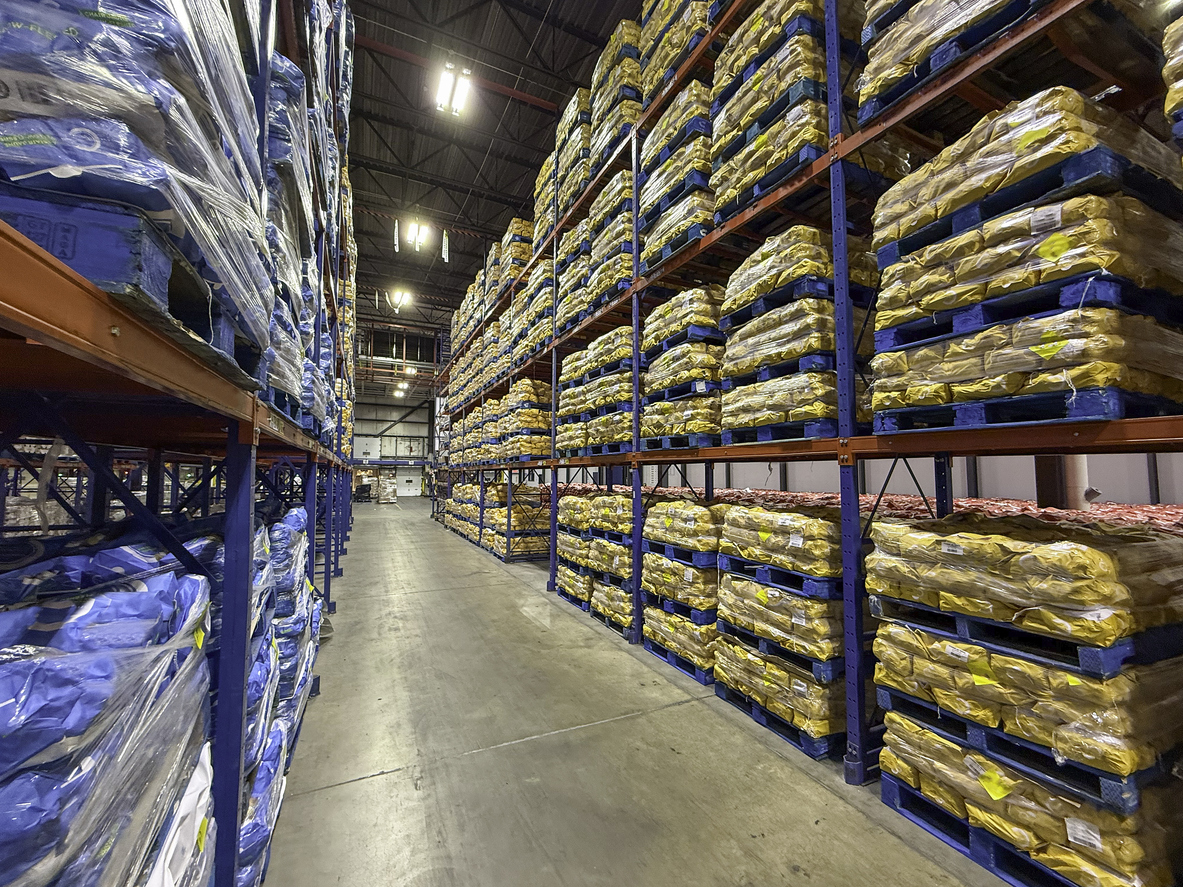
Shared logistics and warehousing reduce operational costs compared to independent distribution setups.
3. Regulatory Compliance
Navigating Nigeria’s import regulations, food safety standards, and customs processes can be complex. A reliable partner ensures compliance and reduces risk.
4. Supply Chain Reliability
Consistent product availability is critical in the FMCG sector. Partnerships help stabilise supply and minimise disruptions.
Key Challenges in Food Distribution
Despite the opportunities, businesses must address several challenges when forming partnerships:
Infrastructure Limitations
Poor road networks and congestion can delay deliveries, especially in urban centres like Lagos.
Storage and Handling
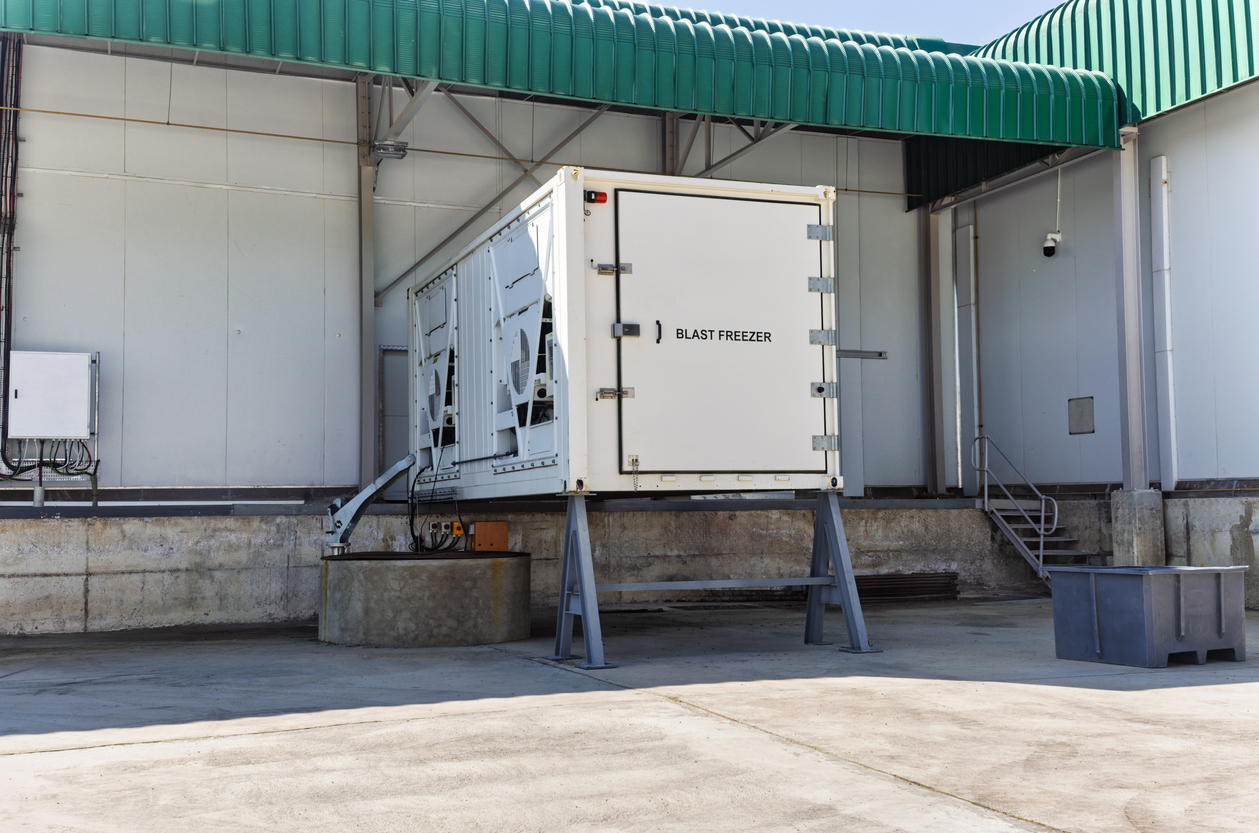
Perishable goods require proper warehousing and cold chain logistics, which are not always readily available.
Demand Volatility
Consumer demand can fluctuate due to economic factors, affecting inventory planning.
Trust and Transparency
Selecting the right partner is essential, as weak governance can lead to inefficiencies or losses.
How to Build a Successful Distribution Partnership
Choose the Right Partner
Evaluate potential partners based on their distribution network, industry experience, and operational capacity. Look for proven track records in handling similar product categories.
Define Clear Agreements
Establish detailed contracts covering pricing, delivery timelines, responsibilities, and performance metrics. Transparency reduces misunderstandings and builds long-term trust.
Invest in Logistics and Technology
Digital tools for inventory tracking, order management, and route optimisation can significantly improve efficiency.
Focus on Demand Planning
Collaborate closely with your partner to forecast demand accurately and avoid stockouts or overstocking.
Ensure Compliance
Work with partners who understand local regulations, including NAFDAC requirements and import documentation processes.
The Role of Strategic Partners Like Wigmore Trading
Navigating Nigeria’s complex distribution environment requires expertise and local knowledge. Wigmore Trading supports businesses by providing end-to-end solutions across sourcing, importation, warehousing, and distribution.
By leveraging established networks and logistics infrastructure, Wigmore Trading helps companies:
- Source quality food products from global suppliers
- Manage import and customs processes efficiently
- Distribute products across key Nigerian markets
- Maintain consistent supply chain performance
This integrated approach reduces operational risks and allows businesses to focus on growth and market expansion.
Future Trends in Nigeria’s Food Distribution Sector
The sector is evolving rapidly, with several trends shaping its future:
- Growth of modern retail: Supermarkets and online platforms are expanding distribution channels
- Increased demand for processed foods: Urban consumers are shifting toward convenience products
- Improved logistics infrastructure: Investments in warehousing and transportation are enhancing efficiency
- Digital transformation: Technology is improving supply chain visibility and coordination
Businesses that align with these trends and build strong partnerships will be better positioned to succeed.
Conclusion
A well-executed food distribution partnership in Nigeria is essential for businesses aiming to thrive in one of Africa’s most competitive FMCG markets. By addressing logistical challenges, ensuring compliance, and working with experienced partners, companies can achieve reliable distribution and sustainable growth.
Wigmore Trading can help. Contact Wigmore Trading today to streamline your sourcing.



Comments are closed.