
Secure a Trusted Agriculture Supplier Partnership in Nigeria


Nigeria’s agricultural sector remains one of the largest contributors to the economy, offering significant opportunities for local and international businesses. However, success in this space often depends on building a reliable agriculture supplier partnership in Nigeria that ensures consistent quality, compliance, and efficient distribution.
For importers, wholesalers, and FMCG companies, forming the right partnerships is not just beneficial—it is essential for long-term sustainability.
Why an agriculture supplier partnership in Nigeria matters
Nigeria’s agricultural value chain is complex, involving smallholder farmers, aggregators, processors, and distributors. Without a structured partnership, businesses often face:
- Inconsistent product quality
- Supply chain disruptions
- Regulatory compliance challenges
- Limited traceability
A well-established agriculture supplier partnership in Nigeria helps mitigate these risks by creating a stable and transparent sourcing framework. It allows businesses to secure reliable supply while supporting local producers.
Key elements of a successful supplier partnership
1. Reliable sourcing and quality control
One of the primary challenges in Nigeria’s agricultural sector is variability in product quality. This is especially critical for export-oriented businesses or FMCG manufacturers.
To address this:
- Work with verified suppliers and cooperatives
- Implement quality assurance checks at sourcing points
- Establish clear product specifications
Wigmore Trading supports businesses by connecting them with vetted agricultural suppliers and ensuring quality standards are maintained throughout the sourcing process.
2. Efficient logistics and distribution
Agricultural products are highly sensitive to delays, poor storage, and inefficient transport. A strong partnership must include a reliable logistics framework.
Key considerations include:
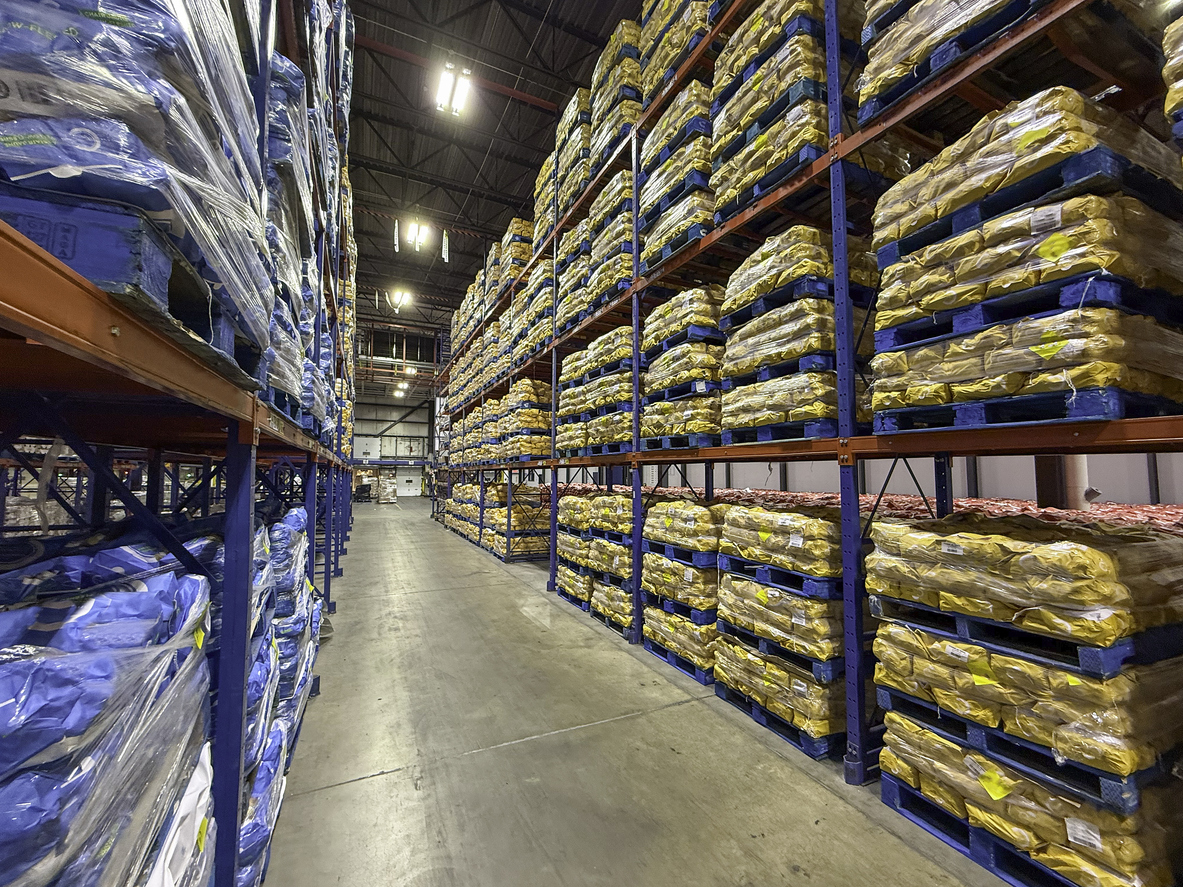
- Access to proper warehousing facilities
- Temperature-controlled transport (where required)
- Efficient last-mile delivery
By integrating logistics into supplier partnerships, companies can reduce post-harvest losses and improve delivery timelines. Wigmore Trading provides end-to-end logistics solutions that help businesses move goods efficiently across Nigeria and beyond.
3. Compliance with local and international regulations
Regulatory compliance is a critical factor in agricultural trade, particularly for exports. Businesses must adhere to standards set by agencies such as NAFDAC, SON, and international bodies.
An effective agriculture supplier partnership in Nigeria should:
- Ensure proper documentation and certifications
- Maintain traceability across the supply chain
- Align with export requirements for target markets
Wigmore Trading assists companies in navigating these regulatory requirements, reducing delays and ensuring smooth market access.
4. Strong communication and transparency
Trust is the foundation of any successful partnership. Clear communication between buyers and suppliers helps prevent misunderstandings and ensures alignment on expectations.
Best practices include:
- Regular updates on supply availability
- Transparent pricing structures
- Defined contractual agreements
Digital tools and supply chain management systems can further enhance visibility and coordination.
Challenges businesses face in supplier partnerships
Despite the opportunities, businesses often encounter several obstacles when building agricultural partnerships in Nigeria:
- Fragmented supplier networks
- Limited access to financing for farmers
- Infrastructure constraints
- Price volatility
These challenges can disrupt operations if not properly managed. Partnering with an experienced intermediary like Wigmore Trading can help bridge these gaps by providing structured sourcing networks and operational support.
How to build a sustainable agriculture supplier partnership
Develop long-term relationships
Rather than transactional buying, businesses should focus on long-term collaboration with suppliers. This encourages consistency and mutual growth.
Invest in supplier development
Supporting suppliers through training, financing, or technology adoption can improve productivity and product quality.
Leverage local expertise
Understanding regional differences in crop production, seasonality, and logistics is crucial. Local partners with on-ground knowledge can significantly improve efficiency.
Integrate supply chain solutions
Combining sourcing, logistics, and compliance into a single streamlined system reduces complexity and improves performance.
Wigmore Trading plays a key role in this process by offering integrated services that connect sourcing, distribution, and logistics into one cohesive solution.
The role of technology in supplier partnerships
Technology is increasingly transforming agricultural supply chains in Nigeria. Businesses can use digital platforms to:
- Track shipments in real time
- Monitor inventory levels
- Improve demand forecasting
- Enhance traceability
Adopting these tools strengthens partnerships by improving efficiency and accountability across the supply chain.
Conclusion
Building a strong agriculture supplier partnership in Nigeria is essential for businesses looking to succeed in the country’s dynamic agricultural market. By focusing on quality control, logistics efficiency, compliance, and transparent communication, companies can create resilient and scalable supply chains.
With the right approach and support, businesses can unlock the full potential of Nigeria’s agricultural sector while minimizing risks.
Wigmore Trading can help. Contact Wigmore Trading today to streamline your sourcing.





Comments are closed.