
Shipping to Venezuela: Key Challenges, Regulations, and Logistics Solutions

Introduction
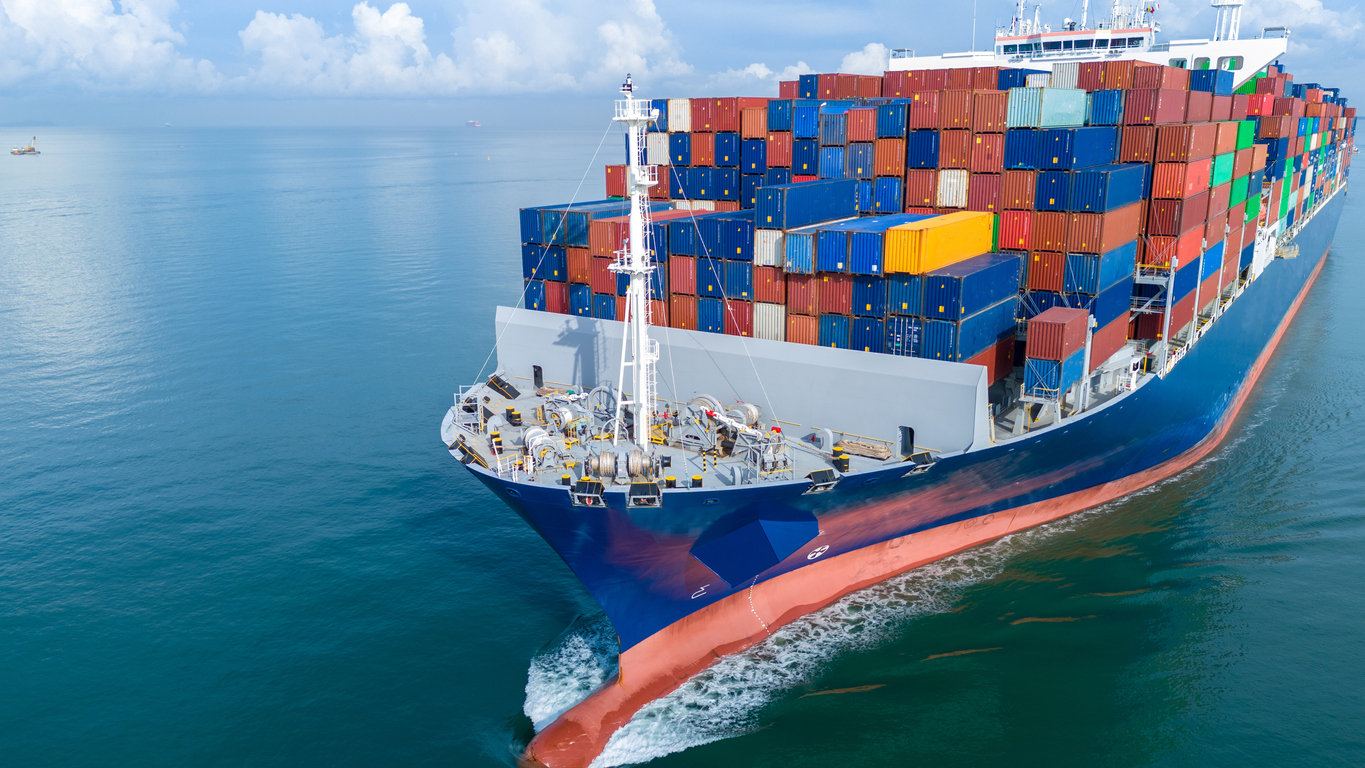
Shipping to Venezuela presents both opportunities and complexities for international businesses. As the country gradually reopens to global trade, demand for imported goods—especially food, machinery, and consumer products—is rising. However, political instability, sanctions, and logistical inefficiencies continue to shape the shipping landscape.
For exporters, distributors, and logistics providers, understanding the realities of shipping to Venezuela is essential for reducing risk and ensuring successful delivery.
Understanding the Shipping Environment in Venezuela
Venezuela’s logistics sector has undergone significant transformation over the past decade. Once a major trade hub in Latin America, the country experienced a sharp decline in imports and exports due to economic challenges and sanctions.
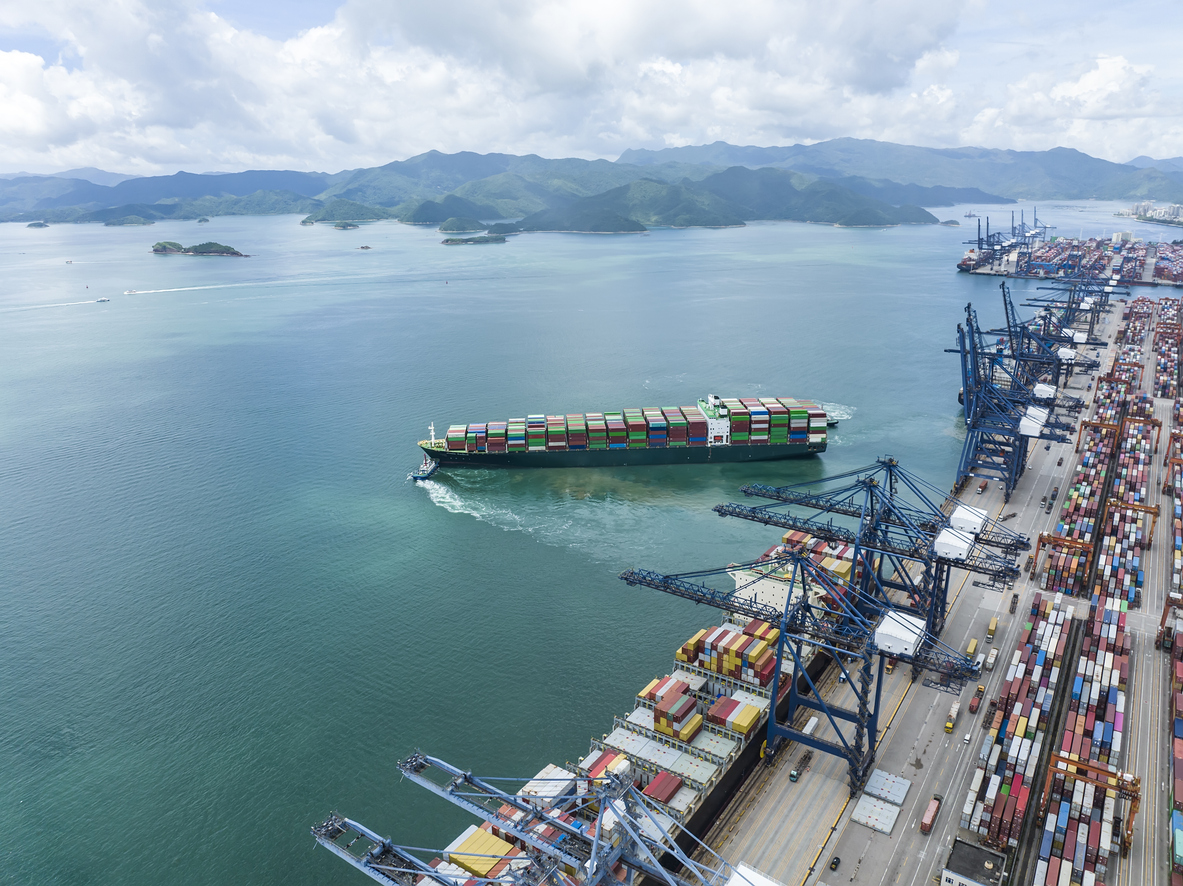
Today, trade is gradually stabilising, with key ports such as Puerto Cabello and La Guaira serving as primary entry points for goods. However, operations remain sensitive to political developments and regulatory changes.
Shipping to Venezuela now requires careful planning, compliance, and strong local knowledge.
Key Challenges in Shipping to Venezuela
1. Sanctions and Compliance Requirements
One of the most critical challenges when shipping to Venezuela is navigating international sanctions. Certain sectors—particularly oil and related industries—are subject to strict controls.
Shipping companies must conduct enhanced due diligence to ensure:
- Cargo is not restricted
- End users comply with international regulations
- Financial transactions are legally permitted
Recent enforcement actions, including vessel seizures linked to sanctions violations, highlight the importance of compliance.
2. Port Delays and Inspection Procedures
Ports in Venezuela are operational but often experience delays due to:
- Extensive documentation checks
- Slower customs clearance processes
- Increased inspections by authorities
In some cases, vessels face delays in obtaining clearance to depart, impacting delivery timelines.
3. Payment and Currency Risks
Venezuela’s financial system presents additional challenges:
- Currency volatility
- Limited access to international banking systems
- Payment delays or restrictions
Businesses must structure transactions carefully, often relying on secure payment methods such as letters of credit or prepayment.
4. Insurance and Freight Costs
Shipping to Venezuela typically involves higher costs due to:
- Elevated insurance premiums
- Risk-based freight pricing
- Additional compliance procedures
Geopolitical tensions and increased maritime monitoring in the region have contributed to higher operational costs for carriers.
Opportunities in Shipping to Venezuela
Despite these challenges, Venezuela remains a promising market for certain industries.
Growing Demand for Imports
Due to limited domestic production, Venezuela relies heavily on imports, including:
- Food and beverages
- Pharmaceuticals
- Industrial machinery
- FMCG products
This creates consistent demand for international suppliers.
Trade Recovery and Market Reopening
Recent developments suggest a gradual reopening of trade routes and potential easing of restrictions. As trade volumes recover, businesses that establish early logistics networks can gain a competitive advantage.
Best Practices for Shipping to Venezuela
Work with Experienced Logistics Partners
Given the complexities involved, partnering with a knowledgeable logistics provider is essential. An experienced partner can:
- Ensure regulatory compliance
- Manage documentation and customs clearance
- Mitigate delays and operational risks
Wigmore Trading supports businesses by coordinating end-to-end logistics solutions, ensuring shipments are handled efficiently and in line with international regulations.
Prioritise Documentation Accuracy
Incomplete or incorrect documentation is one of the leading causes of delays. Exporters should ensure:
- Accurate invoices and packing lists
- Proper classification of goods
- Compliance with Venezuelan import regulations
Use Reliable Shipping Routes and Ports
Selecting the right port and route can significantly reduce transit time and risk. Puerto Cabello remains one of the most reliable ports for commercial cargo handling.
Secure Cargo Insurance
Given the operational risks, comprehensive cargo insurance is essential. Insurance coverage should account for:
- Delays
- Damage during transit
- Political or regulatory disruptions
How Wigmore Trading Supports Shipping to Venezuela
Navigating shipping to Venezuela requires a combination of expertise, compliance knowledge, and strong logistics coordination.
Wigmore Trading assists businesses by:
- Sourcing quality products for export
- Managing international shipping and freight forwarding
- Handling customs documentation and compliance
- Providing supply chain solutions tailored to high-risk markets
By leveraging local and international networks, Wigmore Trading helps reduce complexity and improve delivery reliability.
Conclusion
Shipping to Venezuela is complex but increasingly viable for businesses willing to navigate its unique challenges. With rising demand for imported goods and gradual trade recovery, the market offers significant opportunities.
Success depends on careful planning, compliance with regulations, and working with experienced logistics partners who understand the evolving landscape.
Wigmore Trading can help. Contact Wigmore Trading today to streamline your sourcing.



Comments are closed.