
Telecom Interconnection Management in Nigeria: Challenges and Best Practices

Talk to us about this service
Trade, import, logistics, sourcing — whatever you're planning, the fastest way to a quote is a WhatsApp message. Our team replies during Lagos business hours.
WhatsApp usYour message tells us which page you came from
Nigeria’s telecommunications industry relies heavily on efficient interconnection systems to ensure seamless communication between networks. As subscriber numbers grow and digital services expand, effective telecom interconnection management in Nigeria has become increasingly important for maintaining service quality, controlling costs, and ensuring accurate revenue settlement between operators.
This article explores how telecom interconnection management works in Nigeria, the operational challenges telecom providers face, and practical solutions that support long-term network efficiency and business growth.
What Is Telecom Interconnection Management?
Telecom interconnection management refers to the processes, systems, and agreements that allow different telecom operators to exchange traffic between their networks.
For example, when a customer on one mobile network calls a user on another network, interconnection systems ensure the call is routed correctly and the appropriate charges are applied between operators.
Core Components of Telecom Interconnection Management
- Interconnect agreements between operators
- Traffic routing and switching
- Billing and settlement systems
- Call detail record (CDR) management
- Traffic monitoring and fraud detection
- Regulatory compliance
In Nigeria, telecom interconnection is regulated by the Nigerian Communications Commission (NCC), which establishes industry guidelines and interconnect frameworks.
Why Telecom Interconnection Management in Nigeria Matters
The telecom industry in Nigeria serves millions of voice and data users daily. Without efficient interconnection systems, operators may face:
- Call failures and poor service quality
- Revenue leakage
- Billing disputes between networks
- Delayed settlements
- Regulatory penalties
Strong interconnection management helps telecom companies maintain operational efficiency while improving customer experience.
Key Challenges Facing Telecom Operators in Nigeria
1. Increasing Network Traffic
Growing smartphone adoption and digital services continue to increase traffic volumes across Nigerian telecom networks. Operators must scale infrastructure to handle higher demand without service interruptions.
2. Revenue Assurance Issues
Inaccurate call records or incomplete data can lead to revenue losses during inter-operator settlements.
3. Fraud and Bypass Traffic
Illegal routing and SIM box fraud remain ongoing concerns within the telecom sector. These activities reduce operator revenues and distort traffic reporting.
4. Complex Settlement Processes
Telecom operators often manage multiple interconnect partners, each with different tariffs and reconciliation processes.
5. Infrastructure and Power Constraints
Reliable infrastructure remains critical for uninterrupted telecom operations. Network equipment downtime can directly impact interconnection performance.
Best Practices for Telecom Interconnection Management
Invest in Real-Time Monitoring Systems
Modern traffic monitoring tools help operators detect anomalies quickly and maintain service quality.
Improve Billing Accuracy
Accurate mediation and billing platforms reduce discrepancies in settlements between operators.
Strengthen Fraud Detection Measures
Advanced analytics can identify suspicious traffic patterns and minimise financial losses from telecom fraud.
Automate Settlement Processes
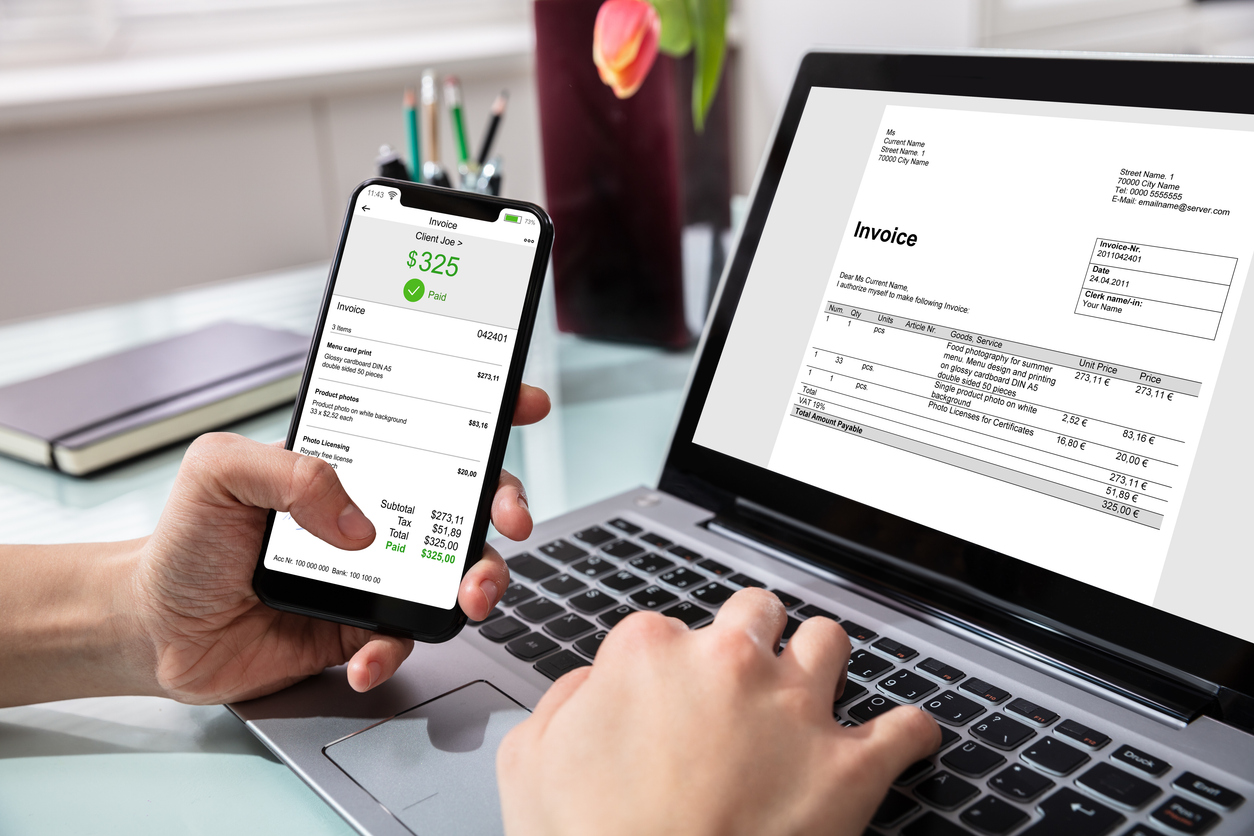
Automation improves efficiency and reduces manual errors in reconciliation and invoicing.
Ensure Regulatory Compliance
Telecom providers must stay aligned with NCC regulations regarding interconnect rates, reporting, and operational standards.
The Role of Infrastructure and Supply Chains
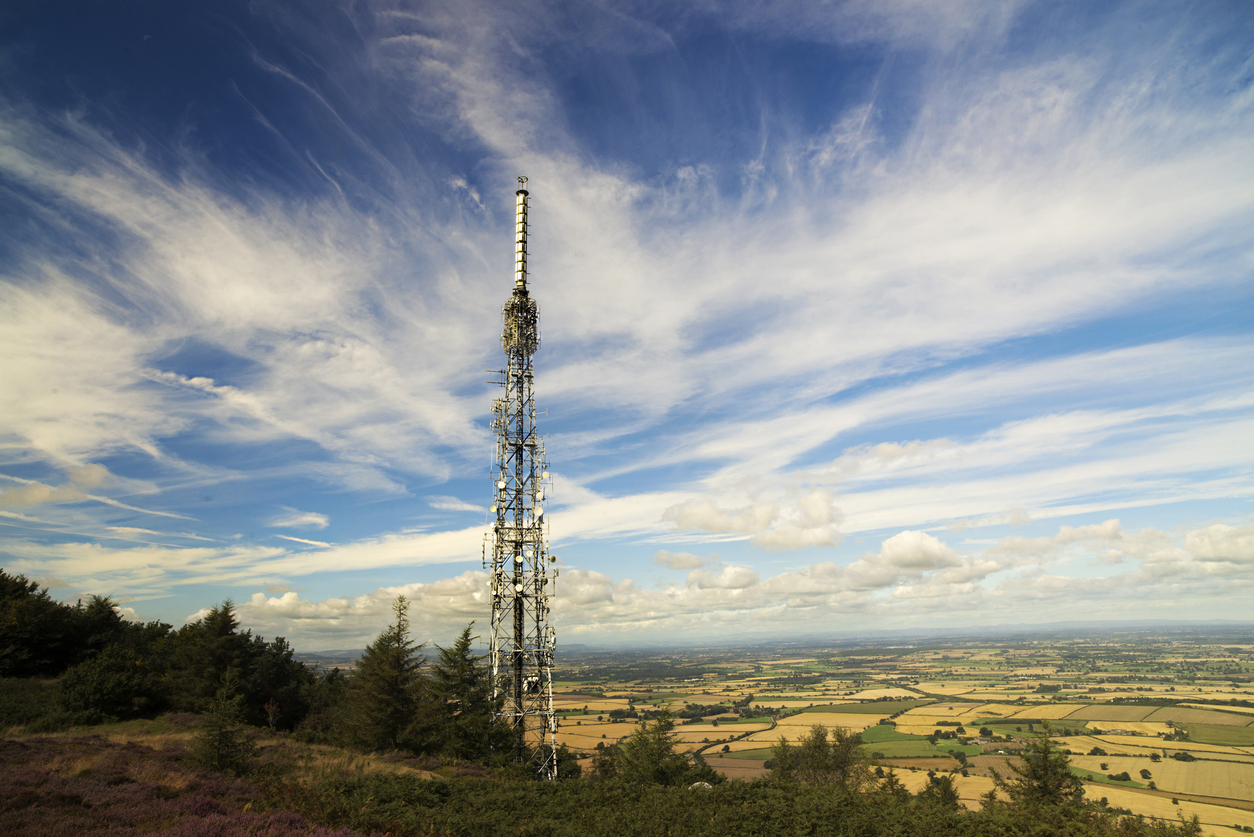
Efficient telecom interconnection management also depends on reliable access to network infrastructure, hardware, and operational support.
Telecom operators often require:
- Network equipment imports
- Data centre components
- Spare parts and replacement hardware
- Warehousing and distribution support
- Customs clearance for imported technology products
Delays in sourcing or logistics can disrupt telecom operations and affect network reliability.
How Wigmore Trading Supports Telecom Operations
Wigmore Trading supports businesses operating in Nigeria’s telecom and technology sectors through supply chain and logistics solutions.
Services may include:
- International sourcing of telecom equipment and components
- Import and export support for technology infrastructure
- Customs documentation and compliance assistance
- Warehousing and nationwide distribution services
- Supply chain coordination for operational continuity
By supporting efficient procurement and logistics processes, businesses can reduce delays and maintain critical telecom infrastructure.
The Future of Telecom Interconnection in Nigeria
Nigeria’s telecom sector continues to evolve with the expansion of:
- 5G infrastructure
- Cloud-based telecom systems
- Digital financial services
- IoT and connected devices
- Real-time billing technologies
As networks become more complex, telecom interconnection management will require stronger automation, improved analytics, and more resilient infrastructure systems.
Operators that invest in scalable interconnection management solutions will be better positioned to support future growth while maintaining service quality and regulatory compliance.
Conclusion
Effective telecom interconnection management in Nigeria is essential for ensuring reliable communication between networks, accurate settlements, and sustainable telecom operations.
With rising traffic volumes and increasing infrastructure demands, telecom providers must prioritise billing accuracy, fraud prevention, regulatory compliance, and supply chain reliability.
Wigmore Trading can help. Contact Wigmore Trading today to streamline your sourcing.
No Comments Yet.



Comments are closed.