
Telecom Billing Transformation in Nigeria: Trends, Challenges and Opportunities
Talk to us about this service
Trade, import, logistics, sourcing — whatever you're planning, the fastest way to a quote is a WhatsApp message. Our team replies during Lagos business hours.
WhatsApp usYour message tells us which page you came from
Nigeria’s telecommunications industry is evolving rapidly as operators respond to rising data consumption, digital financial services, and increasing customer expectations. At the centre of this evolution is telecom billing transformation in Nigeria, a process that is reshaping how telecom companies manage charging, customer accounts, revenue assurance, and service delivery.
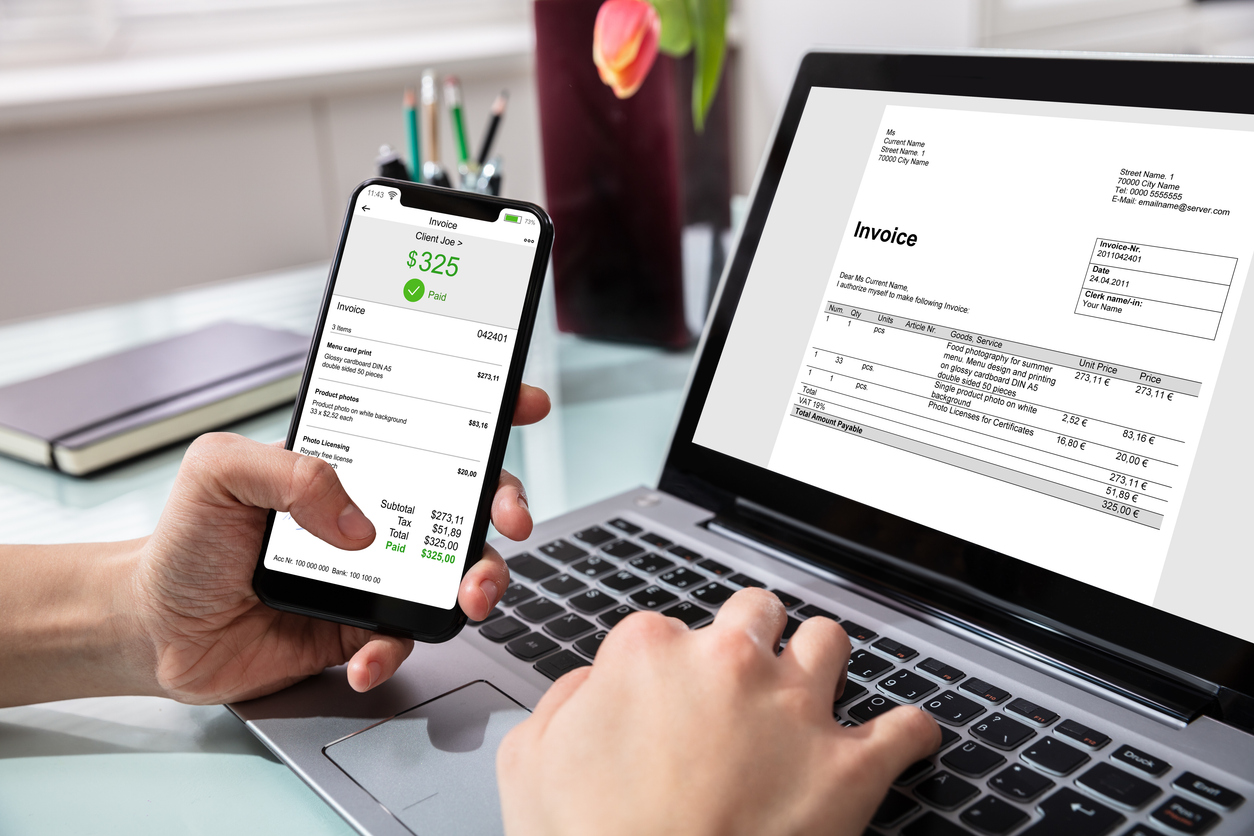
Modern billing systems are no longer limited to invoicing customers for voice calls and SMS. Today, telecom operators must support real-time data charging, mobile money services, digital subscriptions, and complex bundled offerings while maintaining compliance and operational efficiency.
This article explores the drivers behind telecom billing transformation in Nigeria, the challenges operators face, and how reliable sourcing and logistics partners such as Wigmore Trading can support telecom infrastructure expansion.
What Is Telecom Billing Transformation?
Telecom billing transformation refers to the modernisation of billing infrastructure, processes, and technologies used by telecom operators. The goal is to improve operational efficiency, customer experience, scalability, and revenue management.
Key Components of Telecom Billing Transformation in Nigeria
Modern telecom billing systems typically include:
- Real-time charging platforms
- Convergent billing systems
- Automated revenue assurance tools
- Customer relationship management integration
- Digital payment processing
- Advanced analytics and reporting
As Nigerian telecom providers expand digital services, legacy billing systems are increasingly being replaced with cloud-based and automated solutions.
Why Telecom Billing Transformation in Nigeria Is Important
Growing Demand for Digital Services
Nigerian consumers are using more mobile data, streaming services, fintech platforms, and digital subscriptions than ever before. Telecom companies require billing systems capable of handling these services efficiently.
Increased Competition Among Operators
The telecom market in Nigeria remains highly competitive. Accurate billing and personalised service offerings help operators retain subscribers and improve customer satisfaction.
Expansion of 5G Networks
The rollout of 5G services introduces new billing complexities due to higher data volumes and diverse service applications.
Revenue Assurance and Fraud Prevention
Modern billing platforms help reduce revenue leakage caused by inaccurate charging, network bypass fraud, or system inefficiencies.
Major Challenges Facing Telecom Billing Systems
Legacy Infrastructure
Many telecom operators still rely on older billing platforms that were not designed for modern digital services.
Data Processing Complexity
Billing systems must process massive amounts of customer usage data in real time without errors.
Integration Difficulties
Operators often need to integrate billing platforms with customer databases, payment gateways, and third-party services.
Regulatory Compliance
Telecom companies must comply with Nigerian Communications Commission (NCC) regulations regarding billing transparency and customer protection.
Infrastructure Reliability
Power supply issues and network instability can affect billing system performance and service continuity.
Emerging Trends in Telecom Billing Transformation
Real-Time Billing and Charging
Customers increasingly expect instant account updates and transparent billing for prepaid and postpaid services.
Cloud-Based Billing Platforms
Cloud infrastructure enables operators to scale services more efficiently while reducing hardware dependency.
AI and Automation
Artificial intelligence is being used for fraud detection, customer analytics, and predictive billing insights.
Digital Wallet Integration
Telecom operators are integrating mobile money and digital payment solutions directly into billing ecosystems.
Personalised Pricing Models
Advanced billing systems allow operators to create customised bundles and usage-based pricing.
How Telecom Operators Can Improve Billing Efficiency
Upgrade Legacy Systems
Migrating from outdated platforms to modern convergent billing systems improves scalability and operational flexibility.
Strengthen Cybersecurity
Billing systems handle sensitive customer and financial data, making cybersecurity a critical investment area.
Improve Network Infrastructure
Reliable connectivity and data centres support uninterrupted billing operations.
Invest in Staff Training
Technical teams must understand modern billing technologies and compliance requirements.
The Role of Supply Chain and Logistics in Telecom Transformation
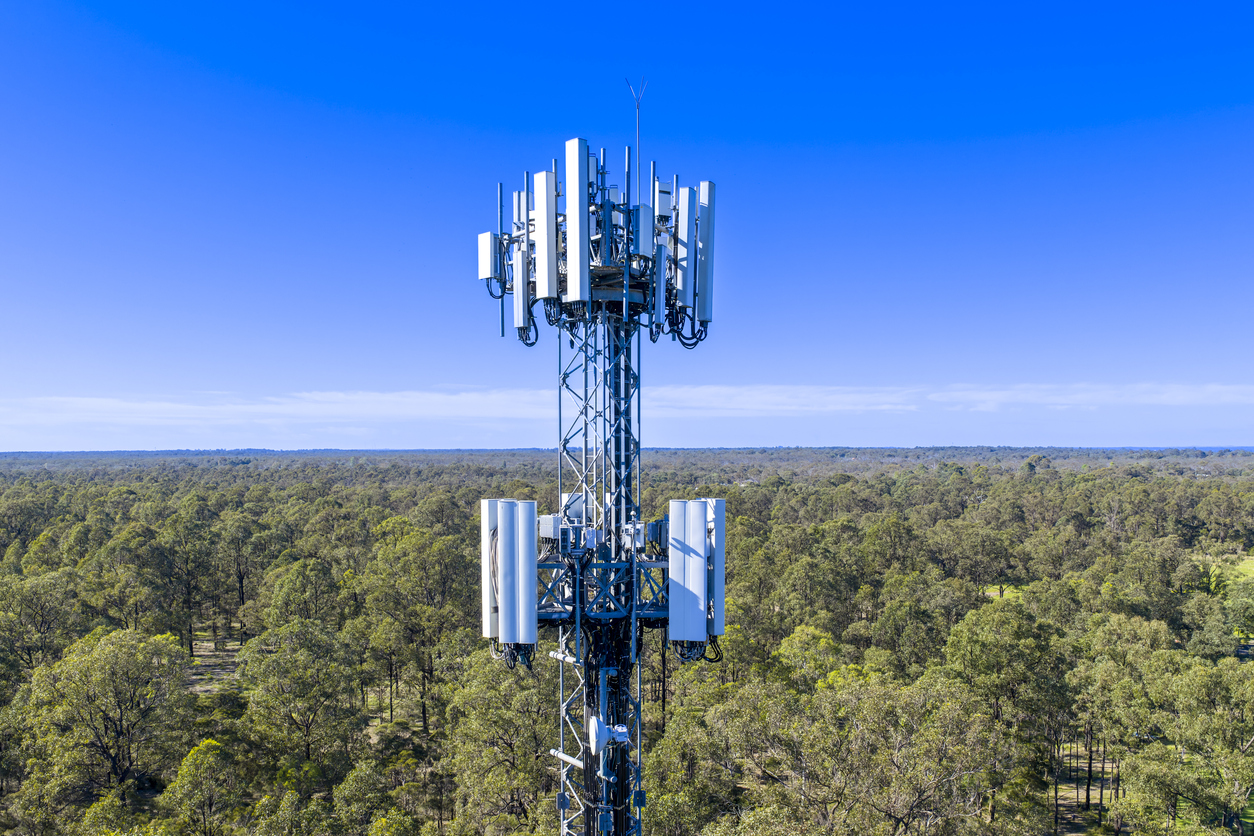
Billing transformation is not only about software. Telecom operators also require physical infrastructure, including servers, networking equipment, backup power systems, and telecom hardware.
Efficient sourcing and logistics are essential to ensuring these components are delivered on time and meet operational requirements.
Wigmore Trading supports telecom companies in Nigeria through:
- International sourcing of telecom equipment and technology components
- Import and customs clearance support
- Warehousing and nationwide distribution
- Supply chain coordination for infrastructure projects
- Procurement support for operational materials
Reliable logistics can help telecom operators reduce delays and maintain service continuity during system upgrades and network expansion projects.
Future Outlook for Telecom Billing in Nigeria
The future of telecom billing transformation in Nigeria will likely be shaped by:
- Wider 5G adoption
- Increased digital financial services
- Growth in IoT connectivity
- Expansion of cloud-based telecom operations
- Greater automation and AI integration
Operators that modernise billing infrastructure early will be better positioned to improve customer experiences, reduce operational costs, and compete in a digital-first market.
Conclusion
Telecom billing transformation in Nigeria is becoming increasingly important as operators adapt to higher data usage, digital services, and changing customer expectations. Modern billing systems improve operational efficiency, support revenue assurance, and enable more flexible service offerings.
However, successful transformation also depends on strong infrastructure, reliable sourcing, and efficient logistics support.
Wigmore Trading can help. Contact Wigmore Trading today to streamline your sourcing.
No Comments Yet.





Comments are closed.