
Trusted Fraud Prevention Services for Businesses in Ghana

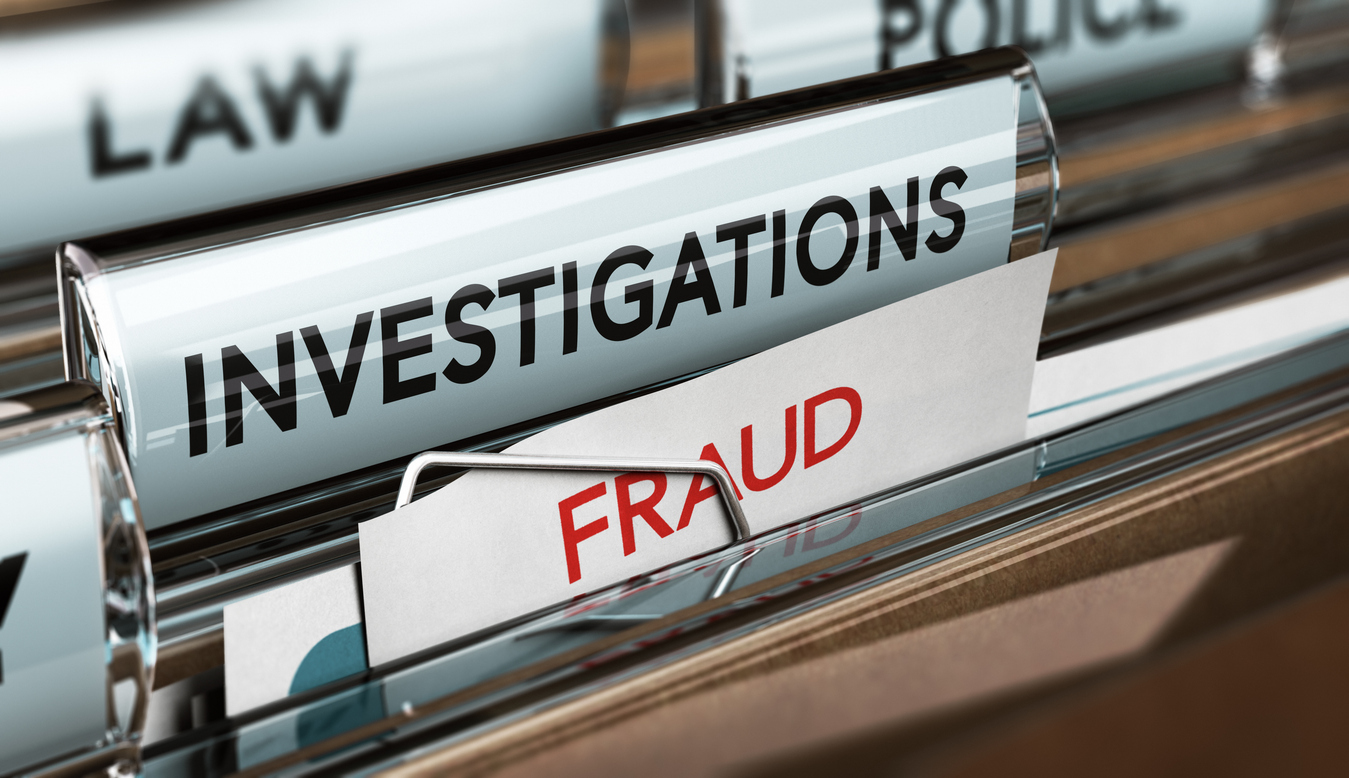
Fraud remains one of the most significant risks facing businesses in Ghana today, particularly in sectors such as import/export, FMCG distribution, and logistics. As trade volumes grow and supply chains become more complex, companies are increasingly exposed to financial fraud, document manipulation, cyber threats, and procurement irregularities.
Understanding how to mitigate these risks is essential for maintaining operational stability and protecting profitability. This article explores fraud prevention services for businesses in Ghana, outlining key risks, practical solutions, and how structured partnerships can strengthen business resilience.
Understanding Fraud Risks in Ghana’s Business Environment
Ghana’s expanding commercial landscape presents opportunities, but also vulnerabilities. Common fraud risks include:
- Invoice and payment fraud in supplier transactions
- Counterfeit goods entering supply chains
- Procurement manipulation and internal collusion
- Customs documentation fraud in import/export activities
- Cyber fraud, including phishing and payment diversion
These risks are particularly prevalent in cross-border trade, where businesses rely on multiple intermediaries and documentation processes.
Why Businesses Need Fraud Prevention Services
Fraud prevention is no longer optional—it is a strategic necessity. Effective fraud prevention services help businesses:
- Safeguard financial assets
- Ensure compliance with local and international regulations
- Maintain supplier and customer trust
- Reduce operational disruptions
- Strengthen long-term sustainability
For businesses operating in Ghana’s trade and distribution sectors, proactive fraud management can be the difference between steady growth and costly setbacks.
Key Components of Fraud Prevention Services for Businesses in Ghana
1. Supplier Verification and Due Diligence
One of the most effective ways to prevent fraud is to verify suppliers before engaging in transactions. This includes:
- Background checks on vendors
- Verification of business registration and licenses
- Assessment of financial credibility
- Validation of product authenticity
Working with established sourcing partners ensures that suppliers are vetted and reliable.
2. Secure Payment and Transaction Controls
Fraud often occurs during payment processing. Businesses should implement:
- Multi-level payment approvals
- Secure banking channels
- Transaction monitoring systems
- Clear audit trails
These measures reduce the risk of unauthorized payments and financial manipulation.
3. Documentation and Compliance Checks
In international trade, documentation fraud is a major concern. Key practices include:
- Verification of shipping and customs documents
- Cross-checking invoices and bills of lading
- Ensuring compliance with Ghanaian import/export regulations
Accurate documentation not only prevents fraud but also avoids costly delays at ports.
4. Supply Chain Transparency
Lack of visibility in supply chains creates opportunities for fraud. Businesses should:
- Track goods from origin to destination
- Monitor inventory movement
- Use trusted logistics partners
Transparent supply chains reduce the likelihood of counterfeit goods and unauthorized diversions.
5. Internal Controls and Staff Training
Fraud is not always external—internal risks are equally significant. Companies should:
- Establish clear internal controls
- Conduct regular audits
- Train staff on fraud awareness
- Implement whistleblower policies
A well-informed workforce is a critical line of defense against fraud.
How Wigmore Trading Supports Fraud Prevention
For businesses operating in Ghana and across West Africa, managing fraud risks independently can be challenging. This is where experienced partners play a crucial role.
Wigmore Trading supports businesses by providing:
- Verified supplier networks, reducing exposure to fraudulent vendors
- End-to-end logistics management, ensuring transparency throughout the supply chain
- Documentation and compliance support, minimizing risks in import/export processes
- Secure sourcing solutions, helping businesses avoid counterfeit or substandard goods
By integrating sourcing, distribution, and logistics under a structured framework, Wigmore Trading helps businesses reduce vulnerabilities and operate with greater confidence.
Practical Steps to Strengthen Fraud Prevention
Businesses can take immediate action by:
- Partnering with trusted sourcing and logistics providers
- Conducting regular risk assessments
- Digitizing financial and operational processes
- Establishing clear procurement policies
- Monitoring transactions in real time
These steps create a strong foundation for fraud prevention while supporting operational efficiency.
Conclusion
Fraud is a persistent challenge in Ghana’s business environment, particularly in trade-driven industries. However, with the right systems, controls, and partnerships in place, businesses can significantly reduce their exposure to risk.
Investing in fraud prevention services for businesses in Ghana is not just about avoiding losses—it is about building a resilient, trustworthy, and scalable operation.
Wigmore Trading can help. Contact Wigmore Trading today to streamline your sourcing and strengthen your supply chain security.






Comments are closed.